Teaching children to be considerate is more important than ever in today’s fast-paced world. When kids learn empathy and kindness early on, they not only build stronger relationships but also develop emotional intelligence that benefits them throughout life.
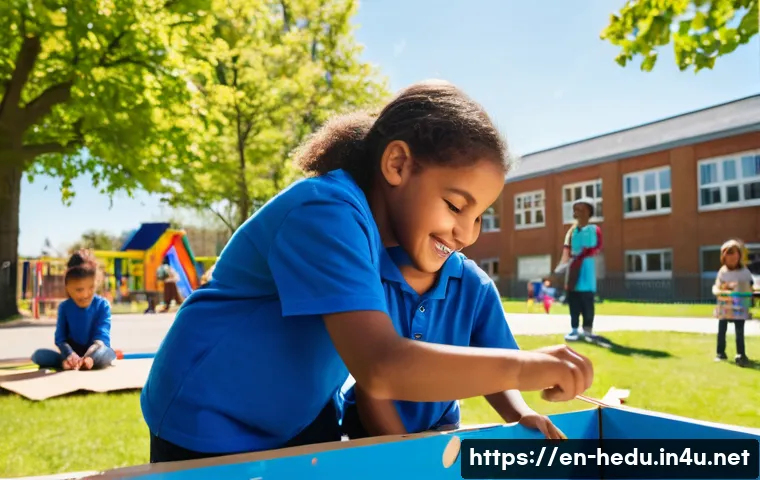
It’s fascinating how small acts of thoughtfulness can shape a child’s character and influence their future social success. Parents and educators play a crucial role in nurturing these values through daily interactions and real-life examples.
Let’s dive deeper and explore effective ways to cultivate a caring mindset in children—I’ll walk you through everything you need to know!
Encouraging Emotional Awareness Through Everyday Moments
Recognizing and Naming Feelings
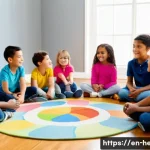
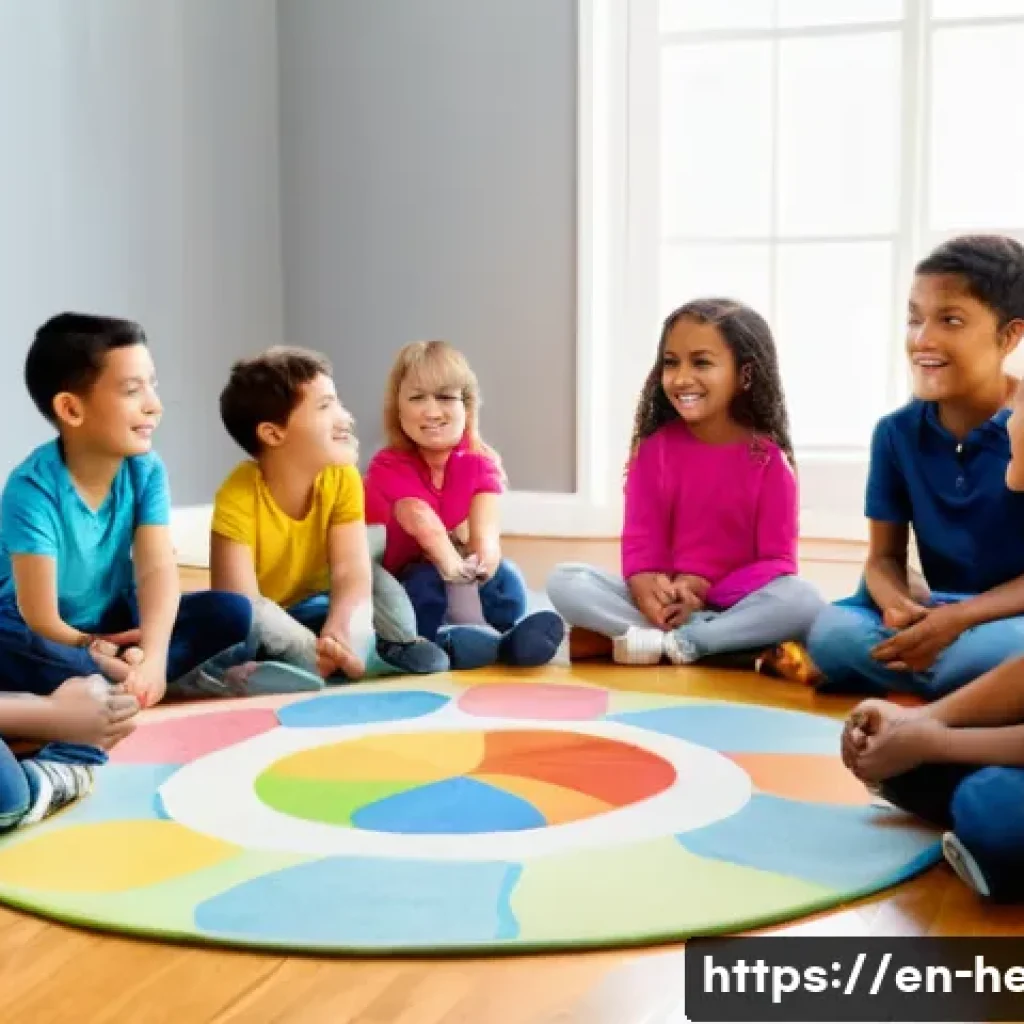
Helping children identify their emotions is a foundational step in fostering empathy. When kids can put a name to what they feel—whether it’s frustration, joy, or sadness—they become more attuned not only to their own experiences but also to those of others.
For instance, during a playdate, if a child notices a friend is upset after losing a game, they are more likely to respond kindly if they understand what “disappointment” feels like.
I’ve found that using simple questions like “How do you think your friend feels right now?” sparks meaningful conversations and deepens emotional insight.
This kind of dialogue, repeated regularly, equips children with the vocabulary and sensitivity needed to navigate social situations thoughtfully.
Modeling Emotional Expression
Children absorb so much by watching adults. When parents or teachers openly express their feelings in a constructive way, kids learn that emotions are normal and manageable.
For example, saying, “I’m feeling a bit tired today, so I might be quieter,” teaches children to communicate honestly rather than suppress feelings. From my experience, this openness encourages kids to mirror that behavior, making it easier for them to share their own feelings and develop emotional intelligence organically.
It’s like giving them a safe blueprint for expressing care and understanding toward themselves and others.
Using Storytelling to Build Empathy
Stories are powerful tools to spark empathy because they allow children to step into someone else’s shoes. Whether it’s through books, movies, or even family anecdotes, narratives help kids grasp different perspectives.
I recall reading picture books with my niece where characters faced challenges or made thoughtful choices; afterwards, we’d discuss how the characters might have felt and what the kids could do in similar situations.
These moments encourage children to think beyond their own world and develop a genuine concern for others, which is essential for kindness to flourish.
Creating Opportunities for Cooperative Play
Sharing and Taking Turns
Cooperative play naturally cultivates consideration as children learn to negotiate, share resources, and take turns. These experiences teach patience and respect for others’ needs.
When my nephew and his friends played board games, I noticed how the rules about turn-taking helped them practice waiting and acknowledging each other’s participation.
Even small wins, like celebrating a friend’s success, reinforce positive social behavior. Encouraging kids to articulate feelings during play, such as saying “It’s your turn now,” supports the development of fairness and empathy in a fun, interactive way.
Group Projects and Teamwork
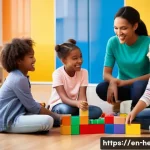
Working together on tasks, whether crafting or building, encourages communication and collective problem-solving. I’ve seen classrooms where kids collaborate on projects and end up teaching each other kindness by sharing materials and ideas.
This kind of teamwork requires listening skills and respect for different viewpoints, which are critical for empathy. When children experience success as part of a group, they learn that their actions impact others, making consideration a natural part of their behavior.
Resolving Conflicts Constructively
Conflicts are inevitable, but how children handle them shapes their ability to be considerate. Teaching conflict resolution skills—like expressing feelings calmly, listening to others, and finding compromises—turns disagreements into learning moments.
For example, guiding children to say, “I feel sad when you don’t share,” rather than reacting angrily, builds emotional maturity. In my observation, kids who develop these skills early on are better equipped to maintain friendships and show kindness even in challenging situations.
Instilling Gratitude and Appreciation
Daily Gratitude Rituals
Incorporating simple gratitude practices into everyday routines can deepen children’s awareness of kindness around them. Something as straightforward as sharing “three things I’m thankful for” at dinner encourages kids to notice positive actions and moments.
I’ve personally noticed that children who regularly express gratitude tend to have a more optimistic outlook and are more likely to reciprocate kindness.
These rituals don’t just create good habits—they help children connect emotionally with others by appreciating their efforts and presence.
Recognizing Acts of Kindness
Acknowledging when someone shows consideration reinforces that behavior. Praising children for thoughtful actions—like helping a sibling or saying thank you—motivates them to continue being kind.
I remember a teacher who kept a kindness chart in the classroom, celebrating each child’s good deed. This visible recognition made kids proud and eager to contribute positively.
It also creates a community where kindness is valued and actively practiced, which is crucial for a child’s social development.
Encouraging Thank You Notes and Verbal Appreciation
Teaching children to express appreciation directly helps solidify their understanding of kindness. Whether it’s writing a thank you note or simply saying “I appreciate you,” these gestures nurture a caring mindset.
I’ve seen firsthand how children who regularly practice verbal appreciation become more empathetic, as they consciously acknowledge the kindness they receive.
This practice also strengthens relationships by fostering open communication and mutual respect.
Building Responsibility Through Helping Others
Age-Appropriate Chores and Tasks
Assigning simple chores teaches kids that their contributions matter and that helping others is rewarding. For example, having children set the table or assist with pet care instills a sense of responsibility and consideration for family members.
In my experience, kids who take ownership of these tasks often feel proud and more connected to their household. This sense of responsibility naturally extends into caring for others outside the home, laying the groundwork for empathy.

Community Involvement and Volunteering
Engaging children in community service or local volunteering introduces them to diverse experiences and the importance of giving back. I once volunteered with a group of children at a food bank, and their excitement about helping strangers was inspiring.
Such activities open kids’ eyes to different life circumstances and foster compassion. When they realize their actions can make a difference, kindness becomes a meaningful, lived value rather than just an abstract idea.
Encouraging Peer Support
Promoting behaviors like helping classmates with schoolwork or comforting friends during tough times strengthens social bonds. I’ve noticed that children who support peers develop stronger emotional intelligence and feel more confident socially.
Teaching kids phrases like “Can I help you?” or “It’s okay, I’m here” equips them with practical ways to show consideration. These simple acts encourage a supportive environment where kindness thrives naturally.
Using Positive Reinforcement to Shape Behavior
Consistent Praise for Thoughtful Actions
Acknowledging and praising kindness when it happens reinforces that behavior effectively. Instead of vague praise, being specific—such as “I really liked how you shared your toy with your friend”—helps children understand what to repeat.
From my personal experience, consistent, genuine praise motivates kids to keep practicing empathy, especially when it comes from people they trust. This approach builds self-esteem and encourages a positive feedback loop around considerate behavior.
Setting Clear Expectations and Boundaries
Children benefit from knowing what behaviors are expected and why they matter. Explaining the importance of kindness and setting boundaries about respectful conduct creates a framework for them to follow.
I’ve found that when kids understand the “why” behind rules, they are more willing to embrace them. Clear expectations also make it easier to address unkind behavior calmly and constructively, guiding children back toward empathy without shame.
Using Reward Systems Wisely
While external rewards can encourage kindness, they work best when paired with intrinsic motivation. For example, a sticker chart that celebrates acts of empathy can be effective if children also learn to value kindness for its own sake.
I’ve observed that when rewards are overused, kids might focus on the prize rather than the meaning behind their actions. Balancing rewards with meaningful conversations about feelings and relationships helps children internalize empathy, making it a lasting part of their character.
Practical Communication Skills for Empathy
Active Listening Techniques
Teaching children to listen attentively—making eye contact, nodding, and asking questions—builds respect and understanding. I’ve practiced this with my own kids by encouraging them to repeat what their friend said before responding.
This simple habit slows down interactions, making conversations more thoughtful and caring. Active listening shows others they are valued, which is a core element of being considerate.
Expressing Feelings Appropriately
Helping kids find words to express their emotions reduces frustration and fosters empathy. I remember guiding a child to say, “I feel upset because…” instead of lashing out, which transformed their interactions positively.
This skill not only helps children communicate their needs but also encourages them to recognize and validate others’ feelings, deepening their sense of kindness.
Nonverbal Cues and Body Language
Children often pick up on unspoken signals before words. Teaching them to notice facial expressions, tone of voice, and gestures enhances their empathy.
For example, recognizing a friend’s slumped posture might prompt a comforting word or gesture. I’ve found that role-playing different scenarios helps kids become more aware of these cues, making their responses more genuine and considerate in real life.
| Method | Description | Benefits | Example |
|---|---|---|---|
| Emotional Naming | Helping kids identify and label feelings | Improves emotional awareness and empathy | Asking “How do you feel when your friend is sad?” |
| Cooperative Play | Encouraging sharing, turn-taking, and teamwork | Builds patience and social skills | Playing board games or group projects |
| Gratitude Practices | Daily rituals expressing thankfulness | Enhances appreciation and positivity | Sharing three things they’re thankful for at dinner |
| Helping Responsibilities | Assigning chores and community involvement | Teaches responsibility and compassion | Volunteering at local food banks or helping siblings |
| Positive Reinforcement | Praising specific acts of kindness | Encourages repetition of good behavior | “Great job sharing your toys today!” |
| Communication Skills | Teaching active listening and emotional expression | Improves understanding and empathy | Role-playing conversations about feelings |
글을 마치며
Encouraging emotional awareness and empathy in children through everyday moments lays a solid foundation for their social and emotional growth. By modeling feelings, fostering cooperative play, and nurturing gratitude, we help kids develop kindness naturally. These practices not only enrich their relationships but also prepare them to navigate the world with compassion and understanding. Ultimately, small, consistent efforts make a big difference in raising empathetic individuals.
알아두면 쓸모 있는 정보
1. Naming emotions helps children better understand and manage their feelings, which leads to stronger empathy skills.
2. Cooperative play teaches important social skills like sharing, patience, and teamwork in a fun and engaging way.
3. Daily gratitude rituals encourage kids to notice and appreciate kindness around them, fostering positivity.
4. Assigning age-appropriate chores and involving children in community service promotes responsibility and compassion.
5. Positive reinforcement combined with clear communication enhances children’s motivation to practice kindness consistently.
중요 사항 정리
Building empathy in children is a gradual process that thrives on consistent, real-life interactions. Key strategies include helping kids recognize and express emotions, encouraging cooperative activities, and reinforcing positive behaviors with meaningful praise. Equally important is teaching effective communication skills like active listening and respectful expression. When caregivers model empathy and provide supportive opportunities, children naturally develop kindness that lasts a lifetime.
Frequently Asked Questions (FAQ) 📖
Q: How can parents effectively teach empathy and kindness to young children in everyday life?
A: From my experience, the best way parents can teach empathy and kindness is by modeling those behaviors themselves. Kids pick up on what they see more than what they’re told.
Simple actions like saying “please” and “thank you,” showing concern when someone is upset, or sharing with siblings teach powerful lessons. Also, involving children in age-appropriate acts of kindness, such as helping a neighbor or donating toys, makes these values real and memorable.
Consistent conversations about feelings and encouraging kids to consider others’ perspectives help deepen their understanding over time.
Q: What are some practical activities educators can use to nurture a caring mindset in the classroom?
A: In classrooms I’ve observed and worked with, activities that promote teamwork and reflection really stand out. Group projects where students must collaborate and listen to each other foster empathy naturally.
Reading stories that highlight diverse experiences and discussing characters’ emotions encourages kids to relate to others. Role-playing scenarios that teach conflict resolution or kindness give children hands-on practice.
Plus, praising acts of kindness when they happen builds a positive feedback loop, motivating kids to keep being considerate.
Q: Why is teaching emotional intelligence through empathy important for children’s long-term success?
A: Emotional intelligence, which includes empathy, is often the hidden key behind successful relationships and careers. I’ve noticed that kids who understand and manage their emotions tend to handle stress better, communicate more clearly, and resolve conflicts without escalating tensions.
These skills are invaluable as they grow into adults facing complex social and professional situations. Empathy helps them build trust and connect deeply with others, which can open doors in both personal and work environments.
Cultivating this early on sets a strong foundation for lifelong well-being and achievement.