Hey there, wonderful parents and caregivers! I know firsthand that navigating sibling squabbles can feel like a full-time job. One minute they’re playing happily, the next it’s a full-blown argument over a toy or who gets to sit where.
Sound familiar? You’re definitely not alone. In our increasingly connected yet often isolating world, fostering healthy sibling relationships is more crucial than ever.
Many families are struggling with new challenges, from balancing screen time, which can create emotional distance and diminish shared experiences, to simply ensuring everyone feels heard and valued.
The good news? It doesn’t have to be a constant battleground. I’ve spent countless hours diving deep into the psychology of family dynamics and testing out real-world strategies that actually work to turn those sibling tensions into stronger bonds.
Believe me, I’ve got a house full of energetic kids, so I truly get it! If you’re tired of the constant bickering and dream of a more peaceful home, you’re in the right place.
We’re talking about building resilient family connections that will last a lifetime, shifting the dynamic from rivalry to genuine support. It’s about empowering your children with essential life skills in empathy and compromise, preparing them for a future where interpersonal skills are paramount.
Get ready to transform your home atmosphere and enjoy those precious family moments again. Let’s be real, sibling arguments are as much a part of childhood as scraped knees and bedtime stories.
But when those innocent spats turn into full-blown emotional battles, it can drain the joy right out of family life. I’ve personally navigated my fair share of sibling stand-offs, and trust me, I’ve learned a thing or two about what really helps calm the storm and what just adds fuel to the fire.
It’s not just about stopping the immediate fight; it’s about equipping our kids with the emotional intelligence to navigate disagreements, respect differences, and ultimately, grow closer.
It’s a skill that serves them well far beyond the living room. So, if you’re yearning for a calmer household and stronger sibling bonds, then you’re in for a treat because I’m about to share some game-changing insights with you.
Understanding the Whys Behind the Whining and Wielding

Ever feel like your kids are just fighting for the sake of it? I know I have! But in my experience, there’s almost always a deeper reason behind those sibling skirmishes. Often, it boils down to basic needs not being met – a cry for attention, a feeling of unfairness, or even just plain old hunger or tiredness. Sometimes, it’s about establishing dominance, especially in homes with multiple children close in age where they are naturally competing for resources, whether it’s the last cookie, screen time, or even just mom or dad’s lap. I’ve found that when I take a moment to really observe the pattern and context of their disagreements, I can often pinpoint the underlying cause. Is it always around a certain time of day? Is it only when a specific toy is involved? Or perhaps when one child feels overlooked? Recognizing these triggers isn’t about making excuses for bad behavior, but about understanding the root so we can address it more effectively, rather than just putting out fires. It’s a game-changer for prevention, trust me.
Unpacking the Attention Economy
One of the biggest drivers of sibling rivalry, in my humble opinion, is the perceived scarcity of parental attention. Kids, bless their hearts, are masters at noticing who’s getting more eye contact, more praise, or more one-on-one time. When a child feels like they’re in a deficit, a fight with a sibling can, ironically, be a surefire way to get a parent’s immediate and undivided attention, even if it’s negative. I’ve personally seen this play out in my own home countless times. It’s not malicious; it’s just a child’s way of saying, “Hey, I’m here! Notice me!” Understanding this helps us shift from seeing it as ‘naughty behavior’ to ‘unmet need.’ Once we acknowledge that, we can proactively work on filling that attention bucket in positive ways. It’s about being intentional with our time and showing each child they are uniquely cherished.
Developmental Stages and Emotional Literacy
It’s also super important to remember that kids are still developing their emotional regulation skills. A toddler can’t articulate frustration the way an older child might, and even older kids struggle to manage big feelings like anger or jealousy. What looks like a deliberate provocation might simply be an immature response to a perceived slight or a desire for control they don’t yet know how to express constructively. My kids, for example, often struggle with sharing, not because they’re selfish, but because the concept of ownership and turn-taking is still abstract. As parents, our job isn’t just to stop the fight, but to teach them the words and tools they need to express themselves and navigate these challenging emotions. It’s a long game, but oh so worth it for their long-term emotional intelligence.
Cultivating a Culture of Connection: Proactive Peacekeeping
While we can’t eliminate every single squabble, we can definitely set up our homes to minimize them and foster a more harmonious environment. This isn’t about magic wands, but consistent, intentional effort. Think of it like preparing the soil before planting a garden; you want to create the best conditions for growth. For me, this has meant consciously carving out dedicated individual time with each of my children, even if it’s just 15 minutes of uninterrupted play or conversation before bed. It signals to them, loud and clear, that they are important and seen, reducing that desperate scramble for attention that often fuels sibling spats. We also focus on family rituals – things like regular family dinner, game nights, or even just reading together – which create a shared positive experience and build a sense of ‘us’ rather than ‘me vs. them.’ When kids feel connected and secure within the family unit, they’re far less likely to turn on each other. It’s about building a strong foundation of love and respect that can weather any disagreement.
Intentional One-on-One Time
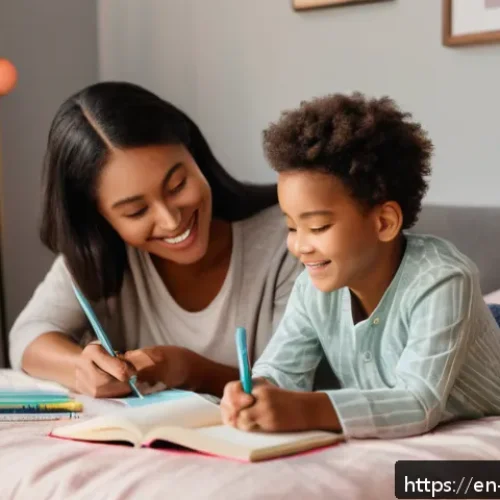
I cannot stress enough how vital dedicated one-on-one time with each child is. In our busy lives, it’s easy to lump kids together, but each child thrives on feeling uniquely seen and loved. Even if it’s just ten minutes of undivided attention—reading a book, playing a quick card game, or helping them with a project—it fills their emotional cup. I’ve noticed a significant decrease in attention-seeking behaviors and sibling bickering when I make a conscious effort to connect with each of my kids individually throughout the week. It communicates, without words, “You are important, and I see you, just you.” This proactive ‘love banking’ goes a long way in preventing those attention-fueled arguments later on. It truly makes a noticeable difference in their overall sense of security and reduces the need to compete for your affection.
Establishing Clear Family Values and Expectations
Another powerful tool in our proactive peacekeeping arsenal is establishing clear family values and expectations around how we treat each other. This isn’t just about saying “be nice”; it’s about explicitly discussing what respect, kindness, and empathy look like in our home. For instance, we often have family meetings where we talk about what makes our family special and how we can all contribute to a positive atmosphere. We’ve even created a simple family charter that outlines our core values, like “We help each other” and “We use kind words.” When conflicts inevitably arise, we can refer back to these agreed-upon principles, giving kids a framework for understanding appropriate behavior. It helps them internalize the importance of positive interactions and provides a common language for discussing disagreements, shifting the focus from blame to shared responsibility.
When the Sparks Fly: Effective Intervention Techniques
Even with the best proactive strategies, conflicts will arise. That’s just a part of family life! The key isn’t to prevent every single argument, but to learn how to intervene effectively when they do. Trust me, I’ve made my share of mistakes here – jumping in too quickly, taking sides, or trying to impose a solution without truly understanding the situation. What I’ve learned is that effective intervention isn’t about being a judge; it’s about being a facilitator. My goal is to help my kids learn how to resolve issues themselves, eventually. When I step in, I try to stay calm (easier said than done sometimes, right?), listen to both sides without interruption, and validate their feelings. It’s about helping them articulate what happened and how they feel, rather than just focusing on who started it or who’s to blame. This approach teaches them valuable communication skills and helps them feel heard, which often diffuses the immediate tension. It’s a delicate dance, but with practice, it really does become more intuitive.
The Art of Active Listening and Validation
When you’re faced with a screaming match, the natural instinct might be to shout over the noise or shut it down immediately. But I’ve found that pausing and genuinely listening to each child is far more effective. Separate them if needed, and give each one a chance to tell their side of the story without interruption. As they speak, actively listen and then validate their feelings. “I hear you’re really angry because your sister took your toy without asking.” or “It sounds like you’re frustrated that your brother isn’t playing by the rules.” Validation doesn’t mean agreeing with their actions, but acknowledging their emotions. This simple act can significantly de-escalate the situation because the child feels understood, and that often removes a lot of the fuel from the fire. It creates an opening for problem-solving rather than continued emotional outbursts, and I’ve seen it work wonders in my own home.
Guiding Towards Mutual Solutions
Once emotions have calmed a bit and everyone feels heard, the next step is to guide them towards finding a solution together. Resist the urge to solve it for them! This is a golden opportunity for them to develop their problem-solving and compromise skills. I often start with open-ended questions like, “What do you think would be a fair way to handle this?” or “What ideas do you both have so you can both be happy?” Sometimes, they’ll surprise you with their creativity! If they’re stuck, I might offer a few suggestions, but always emphasize that the goal is a solution that works for *both* of them. This process teaches them negotiation and fosters a sense of shared responsibility for maintaining peace. It’s about empowering them to become active participants in creating a harmonious home, rather than passively waiting for you to fix everything.
Empowering Little Negotiators: Fostering Independent Resolution
My ultimate goal isn’t to be a permanent referee, but to equip my children with the tools to resolve conflicts on their own. It’s truly empowering to watch them navigate a disagreement, come up with a solution, and then go back to playing happily without my intervention. This shift doesn’t happen overnight, but it’s a process we actively work towards. One strategy I’ve found incredibly effective is teaching them “I feel” statements. Instead of “You always take my stuff!” which is accusatory, they learn to say, “I feel frustrated when you take my blocks without asking.” This focuses on their feelings and the behavior, rather than blaming the other person, making it much easier for the sibling to hear and respond constructively. We also practice brainstorming solutions together, encouraging them to think beyond just ‘winning’ and instead look for ‘win-win’ scenarios. It’s like giving them a communication toolkit they can carry with them their whole lives, and I can tell you, seeing them use it independently is one of the most rewarding parts of parenting.
Teaching “I Feel” Statements
One of the simplest yet most powerful communication tools I’ve taught my kids is the “I feel” statement. Instead of launching into accusations like “You always hog the TV!” which immediately puts the other child on the defensive, we practice starting sentences with “I feel [emotion] when [specific action] because [reason].” So, it becomes, “I feel annoyed when you change the channel without asking because I was watching something interesting.” This approach focuses on the speaker’s emotions and the impact of the other’s behavior, making it less confrontational and more open to resolution. It takes practice, especially for younger kids, but it shifts the dynamic from blame to understanding. I’ve often seen how a child, hearing their sibling express their feelings this way, will pause and genuinely consider their actions, leading to much more productive conversations.
The Family Meeting Ground Rules
To further empower independent resolution, we occasionally hold “family meetings” – a structured time for everyone to voice concerns, celebrate successes, and collaboratively solve problems. During these meetings, we establish clear ground rules: one person speaks at a time, we use respectful language, and everyone gets a chance to be heard. When a sibling conflict is brought up, instead of me dictating the solution, I facilitate a discussion where the kids propose ideas. “Okay, so what could we do next time this happens?” or “How can we make sure everyone feels fair about using the video game console?” This democratic approach teaches them to compromise, negotiate, and take ownership of the solutions. It’s not always perfectly smooth, but it consistently strengthens their problem-solving muscles and reinforces the idea that we’re a team working together.
Nurturing Individual Bonds and Family Unity
While managing conflicts is crucial, it’s equally important to proactively nurture the positive relationships between siblings. It’s not just about stopping the fighting; it’s about building genuine affection and respect. I’ve found that encouraging shared positive experiences is a huge part of this. Whether it’s baking cookies together, building a massive fort, or working on a joint art project, these activities create positive memories and foster cooperation. Another strategy I swear by is celebrating their individuality while also highlighting their shared connection. For example, my eldest is a keen artist, and my youngest loves science. Instead of pitting their interests against each other, we find ways to blend them – maybe designing a scientific experiment with artistic flair. We also make a point of praising them when they show kindness, help each other, or resolve a disagreement peacefully. Positive reinforcement goes a long way in shaping future interactions. It’s about creating an atmosphere where collaboration is valued over competition, and where they genuinely enjoy each other’s company, strengthening their bond for the long haul.
Creating Shared Positive Experiences
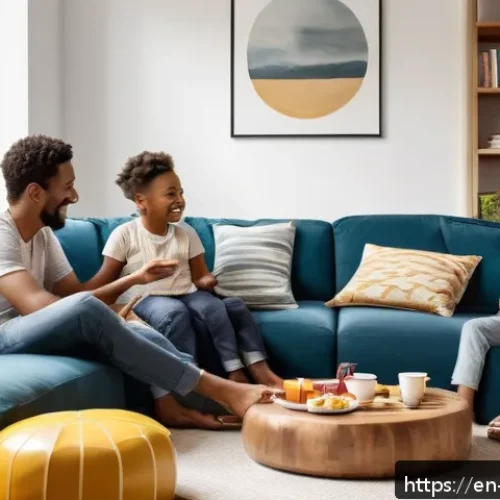
One of the most effective ways I’ve discovered to strengthen sibling bonds is to intentionally create opportunities for shared positive experiences. Think about activities where they have to work together or simply enjoy each other’s company without direct competition. This could be anything from building a giant LEGO castle, going on a family hike, working on a community service project, or even just a movie night with popcorn on the living room floor. These moments create shared memories and foster a sense of teamwork and mutual enjoyment. I’ve personally seen how a collaborative baking project, despite a few spills and sticky moments, can transform a day of bickering into laughter and closeness. It reminds them that being together can be fun and rewarding, shifting their perception of each other from rivals to teammates.
Celebrating Differences and Commonalities
It’s easy to fall into the trap of comparing siblings, but I’ve learned that celebrating their unique strengths and interests is vital for building their self-esteem and fostering respect between them. My children are completely different – one is an avid reader, the other a sports fanatic. Instead of wishing they were more alike, I highlight how their differences can actually enrich their relationship. “Wow, you taught your sister a new soccer trick, and you helped your brother find that amazing book!” At the same time, I also point out their commonalities and shared history: “Remember that time you two teamed up to build the best sandcastle ever?” This balance helps them appreciate each other as individuals while reinforcing the strong, unbreakable bond they share as siblings. It teaches them that being different doesn’t mean being separate, but rather that their unique qualities contribute to a richer family tapestry.
Beyond the Fight: Building Lifelong Friendships

When we invest in teaching our children how to navigate sibling conflicts, we’re doing so much more than just ensuring peace in our homes today. We’re actually laying the groundwork for resilient, supportive relationships that can last a lifetime. Think about it: the skills they learn – communication, compromise, empathy, conflict resolution – these aren’t just for negotiating who gets the last slice of pizza. These are essential life skills that will serve them in friendships, romantic relationships, and professional settings. I truly believe that the way siblings learn to interact in childhood shapes how they engage with the world as adults. My hope, as a parent, is that my children will not only tolerate each other but will become each other’s fiercest allies and closest confidantes. It’s about cultivating a deep, enduring friendship born from shared experiences, both good and challenging. When I see my older child comfort a younger sibling, or them team up against a perceived injustice, I know all the effort has been worth it. It’s a beautiful thing to witness the seeds of lifelong friendship taking root.
The Long-Term Impact of Early Conflict Resolution
The lessons our children learn during sibling squabbles extend far beyond the family living room. I often think about how the way they learn to handle disagreements now will profoundly influence their future relationships – with friends, partners, and even colleagues. If they learn to communicate their needs respectfully, to listen, and to seek compromise, they’ll be far better equipped to navigate the complexities of life. Conversely, if conflicts are always met with shouting, blame, or avoidance, those patterns can carry into adulthood, making it harder for them to build healthy connections. By guiding them through these early challenges, we’re essentially teaching them relationship mastery. It’s an invaluable inheritance we can pass on, shaping them into compassionate, effective communicators who can build strong, lasting bonds in every area of their lives. It’s a huge responsibility, but also an incredible opportunity.
Creating a Legacy of Support and Connection
Ultimately, what we’re aiming for isn’t just a quiet house, but a family legacy of support, connection, and unconditional love. I want my children to grow up knowing that, no matter what challenges life throws their way, they have a built-in support system in their siblings. This means fostering a culture where they cheer each other on, comfort each other in times of sadness, and stand up for each other when it matters most. It’s about instilling the understanding that their bond is special and unique, and worth cherishing. While arguments are inevitable, it’s the underlying current of affection and respect that truly defines their relationship. Seeing my kids, now older, still turning to each other for advice or just a laugh, warms my heart more than words can say. It tells me that all those patient interventions and teachable moments have truly created something lasting and beautiful.
Common Pitfalls to Avoid in Sibling Mediation
Even with the best intentions, mediating sibling conflicts can be tricky territory, and I’ve certainly stumbled into a few traps myself over the years. One of the biggest pitfalls I’ve learned to steer clear of is playing favorites, even subtly. Kids are incredibly perceptive, and if they sense you’re consistently siding with one child or making excuses for another, it can fuel resentment and deepen the rift between them. Another common mistake is trying to force an apology without genuine remorse. An insincere “sorry” doesn’t teach empathy; it just teaches them to mouth words to get out of trouble. It’s far more effective to focus on restitution or understanding the impact of their actions. Also, avoid comparing siblings – “Why can’t you be more like your sister?” – as this can be incredibly damaging to their self-esteem and their relationship. I’ve found that recognizing these common missteps has been just as crucial as knowing what *to* do, helping me refine my approach and become a more effective “peace ambassador” in our home. It’s about being mindful and adaptable in our responses.
Don’t Play Favorites or Impose Solutions
This one is a biggie, and it’s so easy to slip into without realizing it. We might naturally gravitate towards the quieter child, or the one who seems more “rational,” but consistently siding with one sibling or always blaming the other can have devastating effects. It breeds resentment, a sense of injustice, and can actually encourage the “favored” child to continue certain behaviors, knowing they’ll be backed up. Similarly, imposing a solution like, “Just share the toy!” without addressing the underlying feelings or allowing them to participate in the resolution process, teaches them nothing about problem-solving. In my own home, I’ve had to consciously check myself, reminding myself to treat each child’s perspective with equal validity and to guide, not dictate. It’s about empowering them, not controlling the outcome, and resisting the urge to be the ultimate judge.
Beware of Unhelpful Comparisons and Forced Apologies
Oh, the comparison trap! It’s something I used to do, thinking it would motivate them, but it only ever led to more tension. Phrases like, “Why can’t you be as careful as your brother?” or “Your sister never makes that much noise!” are incredibly damaging. They erode self-esteem and foster deep-seated resentment between siblings, creating competition rather than cooperation. Similarly, demanding a forced apology when a child clearly isn’t remorseful is largely ineffective. While an apology is important, it needs to be genuine to carry weight and teach empathy. Instead of “Say sorry right now!” I now focus on helping the child understand the impact of their actions and encouraging them to make amends, whether through a kind gesture or a sincere conversation, once they’ve had a chance to calm down. This fosters genuine understanding rather than just empty words.
| Common Sibling Conflict Triggers | Effective Parental Responses |
|---|---|
| Competition for attention/resources (toys, screen time, parental lap) | Proactive one-on-one time with each child; create shared activity opportunities. |
| Perceived unfairness or inequality | Emphasize “fair doesn’t mean equal,” but “fair means everyone gets what they need”; discuss equitable solutions. |
| Developmental differences (younger child breaking older child’s things, different play styles) | Teach empathy and understanding of different stages; establish clear boundaries for personal belongings. |
| Emotional dysregulation (hunger, tiredness, big feelings) | Identify and address underlying needs; teach emotional vocabulary and coping strategies. |
| Boredom or lack of structured activities | Suggest collaborative games or projects; encourage independent play in separate spaces when needed. |
Encouraging Empathy and Perspective-Taking
One of the most profound shifts I’ve witnessed in my children’s sibling relationships comes from their growing ability to understand and empathize with each other. It’s not just about stopping a fight; it’s about helping them step into their sibling’s shoes and see the situation from another angle. This is a skill that doesn’t come naturally to many kids, and it’s something we, as parents, need to actively teach and model. When conflicts arise, after ensuring everyone has had a chance to speak, I often prompt them with questions like, “How do you think your brother felt when you snatched that toy?” or “What might your sister have been trying to do?” These questions encourage them to consider the other person’s emotions and intentions, moving beyond their own immediate frustration. It’s a powerful tool for building genuine connection and compassion, transforming competitive interactions into more understanding ones. Seeing a lightbulb go off, where one child truly grasps their sibling’s perspective, is incredibly rewarding and paves the way for much deeper, more respectful interactions.
Stepping Into Another’s Shoes
To foster empathy, I often use what I call the “role-reversal” technique, or simply guiding them to consider their sibling’s feelings. When one child is upset, after validating their feelings, I turn to the other and ask, “Imagine if that happened to you. How would you feel?” or “What might your sister have been thinking when she did that?” This isn’t about excusing behavior, but about building understanding. For instance, if one child is mad because the other broke their LEGO creation, I might say, “Your brother didn’t mean to break it; he was just trying to help, but he didn’t realize how delicate it was. How can you both fix it?” It helps them see beyond their immediate anger and consider the other’s perspective and intentions. Over time, I’ve seen my kids begin to do this independently, which is a huge step towards genuine empathy and a more peaceful home.
Modeling Compassion and Forgiveness
Kids are always watching us, and our behavior as parents speaks volumes. I’ve learned that one of the most effective ways to teach empathy and forgiveness is to model it ourselves. When I make a mistake, whether it’s snapping at one of them or being unfair, I openly apologize and explain my feelings. “I’m sorry I raised my voice, I was feeling frustrated and didn’t handle that well.” This shows them that it’s okay to make mistakes, to own them, and to ask for forgiveness. I also make a conscious effort to highlight moments of compassion and forgiveness when I see them happening between siblings. “Wow, you really helped your sister when she was struggling with that puzzle – that was so kind!” or “It was really big of you to forgive your brother for accidentally breaking your drawing.” These moments reinforce the value of these qualities and help them understand that repairing relationships is a vital part of family life.
Setting Healthy Boundaries and Respecting Personal Space
One area that often sparks conflict, especially as children grow, is the lack of clear boundaries and respect for personal space and belongings. In our home, this has been a journey, and I’ve realized that clear, consistent rules around personal property and privacy are non-negotiable for reducing friction. It’s not just about “my toy, your toy,” but also about respecting physical space, like a sibling’s bedroom, or even their personal thoughts and feelings. We’ve established a “knock before entering” rule for bedrooms, and we regularly discuss the importance of asking permission before borrowing anything. I’ve found that when children feel their personal boundaries are respected by both parents and siblings, they are much more likely to respect others’ boundaries in return. It’s a foundational element of trust and autonomy, and without it, even minor interactions can quickly escalate into major disputes. Teaching them to articulate their boundaries respectfully and to listen when others do the same is a powerful lesson in self-respect and mutual consideration, which truly strengthens their bonds over time.
Establishing Clear Rules for Belongings
One of the easiest ways for sibling squabbles to erupt is over shared items or, more commonly, items that one child considers exclusively theirs. I’ve found it essential to establish very clear rules around personal belongings. Some items are communal, meant for everyone, but others are distinctly individual. For personal items, the rule is simple: always ask permission before touching or borrowing. This applies to toys, books, clothes, or even a drawing left on a desk. I physically help my younger children label their personal items or assign them specific storage bins so there’s no confusion. This helps prevent misunderstandings and teaches respect for property. It empowers each child with a sense of ownership and teaches the other to respect that ownership, which significantly cuts down on those “Hey, that’s mine!” arguments that can quickly turn into a full-blown war.
Respecting Physical and Emotional Boundaries
Beyond physical possessions, respecting personal space and emotional boundaries is equally critical. As children get older, the need for privacy and personal autonomy grows significantly. In our home, this means a “knock before entering” policy for bedrooms, understanding that sometimes a sibling just needs quiet time, and learning to read cues when someone isn’t in the mood to play. It also extends to emotional boundaries – understanding that it’s not okay to tease or belittle a sibling, even if “it’s just a joke.” We talk about how words can hurt and how everyone has a right to feel safe and respected in their own home. By teaching them to articulate their own boundaries (“I need some alone time right now, please”) and to respect those of their siblings, we’re building a foundation of mutual respect that is absolutely essential for a healthy, long-lasting sibling relationship.
글을 마치며
Whew! We’ve covered a lot of ground today, haven’t we? I know firsthand that parenting is a journey filled with constant learning, and navigating sibling relationships is one of its most dynamic adventures. It’s an ongoing process, a dance of listening, teaching, and sometimes, just taking a deep breath and stepping back. Remember, you’re not striving for a silent, conflict-free home – that’s simply not realistic! What you’re aiming for, and what is absolutely achievable, is a home where children feel heard, respected, and equipped with the skills to resolve disagreements constructively. It’s about building a foundation of love and mutual respect that truly lasts a lifetime. Trust me, the effort you put in now to foster those healthy bonds will pay dividends in the strong, supportive relationships your children will carry with them, long after they’ve left the nest.
알아두면 쓸모 있는 정보
1. Dedicated One-on-One Time is Gold: Even just 10-15 minutes of undivided attention with each child, free from distractions, can significantly reduce their need to compete for your attention. It fills their emotional cup and reinforces their individual importance.
2. Teach “I Feel” Statements Early: Empower your children to express their emotions and needs respectfully. Instead of “You always mess up my game!”, guide them to say, “I feel frustrated when my game is interrupted without asking.” This shifts focus from blame to understanding.
3. Establish Clear Boundaries for Belongings and Space: Define what items are personal and require permission, and teach respect for physical spaces like bedrooms. “Knock before entering” and “ask before borrowing” are simple rules that build trust and autonomy.
4. Guide, Don’t Dictate, Solutions: When conflicts arise, resist the urge to immediately solve it for them. Facilitate a discussion, encourage brainstorming, and help them find mutually agreeable solutions. This builds critical problem-solving and negotiation skills.
5. Create Shared Positive Experiences Regularly: Intentionally plan activities where siblings can cooperate and enjoy each other’s company without competition. Family game nights, baking together, or joint art projects build positive shared memories and strengthen bonds.
중요 사항 정리
To wrap it all up, remember that cultivating harmonious sibling relationships is a blend of proactive nurturing, understanding the root causes of conflict, and intervening effectively with a long-term vision. It’s about empowering your children with vital communication and emotional regulation skills, teaching them empathy, and modeling respect. By consistently investing in individual connections, setting clear boundaries, and guiding them through disputes rather than just squashing them, you’re not just creating a more peaceful home today. You are actively building a legacy of resilient, supportive family connections and lifelong friendships that will truly enrich their lives for years to come. Your consistent, loving guidance is the most powerful tool in shaping these crucial dynamics.
Frequently Asked Questions (FAQ) 📖
Q: How can I effectively stop a sibling argument when it’s already in full swing without making things worse?
A: Oh, this is the million-dollar question, isn’t it? I’ve been there more times than I can count, walking into what feels like a verbal war zone. My first, immediate instinct used to be to jump in and play judge, but I quickly learned that often just amplifies the drama.
What I’ve found works wonders, and honestly, has saved my sanity, is to first take a deep breath myself. Our kids feed off our energy, so a calm presence is key.
Instead of yelling, try to lower your voice and physically get down to their level. My go-to phrase is usually something like, “Hey, hey, everyone, let’s take a pause.
I can see you’re both really upset.” I don’t try to figure out who started it right away – that’s a rabbit hole. Instead, I try to separate them physically, even if it’s just for a few minutes.
Send one to a ‘calm down corner’ and the other to another quiet spot. This gives them space to regulate their big emotions. Once they’ve had a moment, I bring them back together, but not to point fingers.
My aim is to validate each child’s feelings. “It sounds like you’re really frustrated because [X happened],” and “And you, sweetie, seem really angry because [Y happened].” This helps them feel heard, which is half the battle.
Then, and only then, can you gently guide them toward a solution, or better yet, let them come up with one. It’s truly amazing what happens when you empower them to problem-solve, even if their first few ideas are a bit wild!
It’s all about de-escalation, not immediate resolution, in those heated moments.
Q: What are some proactive strategies to prevent constant sibling bickering and foster a more peaceful home environment?
A: Preventing arguments before they even ignite? Yes, please! This is where the real magic happens, in my opinion.
While we can’t eliminate all squabbles – they’re a natural part of growing up – we can definitely reduce their frequency and intensity. One of the biggest game-changers for my family has been ensuring each child gets dedicated, one-on-one time with me and my partner.
Even just 15 minutes of uninterrupted play or conversation can fill their ‘attention cup’ and significantly reduce the need to bicker for negative attention.
Another brilliant strategy I’ve adopted is having regular ‘family meetings.’ We talk about things that are going well, things that are challenging, and we brainstorm solutions together.
This isn’t a lecture; it’s a forum where everyone, even the littlest voices, feels heard and valued. We also established clear house rules, especially around sharing, personal space, and respectful communication.
We call them our “Family Peace Rules.” For instance, “We use kind words,” or “We ask before we take.” The key here is consistency and positive reinforcement when they follow the rules, rather than just pointing out when they break them.
And here’s a tip I swear by: teach them ‘I-statements.’ Instead of “You always steal my toys!” encourage them to say, “I feel sad when my toy is taken without asking.” It shifts the focus from blame to expressing personal feelings, which is a foundational skill for healthy relationships.
Q: My kids fight over everything – toys, attention, who sits where. How can I teach them to share and resolve these conflicts fairly?
A: Ah, the classic “everything is a battle” scenario! I completely understand. It’s not just about sharing toys, it’s often a deeper struggle for control, attention, or a sense of fairness.
What I’ve found to be incredibly impactful is shifting the focus from “you must share” to “let’s learn to take turns and respect boundaries.” With toys, for example, instead of forcing a child to hand over something they’re actively playing with, we introduce timers.
A visual timer can work wonders for younger kids. “You can play with it for five more minutes, then it’s [sibling’s name] turn.” This makes the transition predictable and less confrontational.
For highly prized possessions, we have a “special box” where each child can keep a few items that are truly theirs and off-limits to others without explicit permission.
This teaches respect for personal property. When it comes to attention, which is often a silent battle, I consciously try to narrate what I’m doing when I’m giving one child attention.
“I’m helping [sibling’s name] with their puzzle right now, and then I’ll be right over to hear about your drawing!” This sets an expectation and reassures the other child they haven’t been forgotten.
The ultimate goal is to equip them with conflict resolution skills. We practice “rock, paper, scissors” for small decisions, or “drawing straws.” For bigger disagreements, I guide them through a simple problem-solving process: 1.
What’s the problem? 2. What are some solutions?
3. Which solution works for everyone? It takes patience, but watching them independently navigate these challenges is incredibly rewarding and totally worth the effort!