7 Simple Secrets Parents Use to Build Unshakeable Emotional Stability in Their Children

webmaster

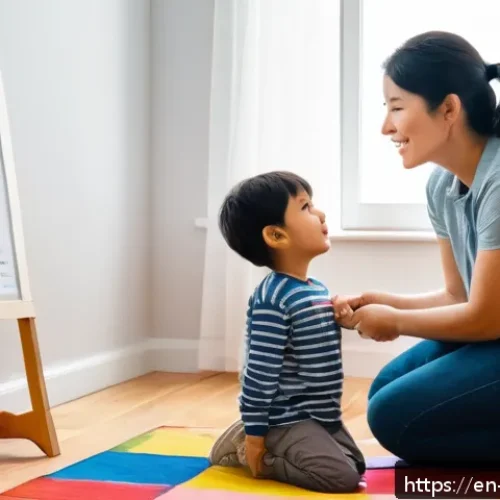
정서적 안정감을 주는 부모 역할 - **Prompt:** A cozy living room scene with warm natural light filtering through a window. A young chi...

Let’s be honest, navigating the choppy waters of modern parenting often feels like a balancing act, doesn’t it? We’re constantly striving to give our children everything they need to thrive, from the latest educational tools to unforgettable experiences.

정서적 안정감을 주는 부모 역할 관련 이미지 1

But through my own years of observing and living this wild journey, I’ve come to realize that one of the most profound and lasting legacies we can leave is a deep sense of emotional security.

It’s that invisible anchor, that safe harbor, which allows them to truly flourish amidst life’s inevitable ups and downs, building resilience and unwavering confidence from within.

This isn’t just about comforting a scraped knee; it’s about nurturing a robust inner world that prepares them for a lifetime of challenges and triumphs.

So, how do we truly become that steadfast emotional bedrock for our kids in today’s rapidly changing world? Let’s explore this further.

Understanding Their Inner Compass: Deciphering Emotions

You know, it’s funny how much we focus on what kids *say* they need, but often, the most important messages are delivered without a single word. As parents, we’re essentially emotional detectives, aren’t we? Learning to read between the lines, to catch those fleeting expressions, the subtle shifts in body language, or even the way they choose to play, can unlock a treasure trove of understanding about what’s truly going on inside their little worlds. I remember countless times thinking my child was just being “difficult,” only to realize later, after some careful observation and quiet reflection, that they were actually overwhelmed, anxious, or perhaps even heartbroken about something I hadn’t even registered. It’s like they have this incredible, intricate internal compass, and our job is to learn its unique language. This isn’t about mind-reading, but about cultivating a deep, intuitive empathy that allows us to connect with them on a level that goes far beyond surface-level interactions. When they sense that you’re truly *seeing* them, not just hearing them, it builds an incredible foundation of trust and emotional safety that becomes their bedrock. It’s the silent promise that no matter what they’re feeling, you’re there to help them navigate it, without judgment, just unwavering support. And honestly, that feeling of being genuinely seen and understood is a gift we carry with us throughout our entire lives, a true cornerstone of emotional security.

Deciphering Their Cues

My own experience has taught me that every child has their own unique ‘tell.’ For my eldest, it’s a quiet withdrawal, retreating to her room with a book. For my youngest, it’s often an increase in physical activity – a sudden burst of running around or exaggerated play. These aren’t just random behaviors; they’re often subtle cries for connection or indicators of an inner struggle. I’ve learned to pay close attention to these patterns. Is there a shift in their usual routine? Are they eating less, sleeping more, or perhaps having more tantrums than usual? Sometimes, it’s a regression to an earlier stage, like wanting to be carried more or needing extra comfort at bedtime. Instead of immediately jumping to conclusions or imposing a solution, I try to pause and ask myself, “What is this behavior communicating?” This empathetic curiosity, I’ve found, is far more effective than any parenting textbook strategy. It’s about being present enough to notice, and curious enough to wonder, rather than just react. This proactive approach helps us address underlying issues before they snowball, fostering a sense of being truly understood and cared for.

The Mirror of Empathy

One of the most powerful tools in my parenting arsenal has been the practice of reflective listening, or what I like to call “the mirror of empathy.” When my child expresses an emotion, whether it’s frustration over a broken toy or excitement about a friend coming over, I try to reflect it back to them. Something like, “It sounds like you’re really upset that your LEGO tower fell apart, huh?” or “You seem incredibly happy that Maya is coming over!” It sounds simple, but the impact is profound. It validates their feelings, showing them that their emotional experience is real and acceptable. It’s not about fixing it immediately, but about acknowledging it. I’ve seen firsthand how this can de-escalate a tantrum or deepen a moment of joy. When kids feel heard and understood, they learn that their emotions aren’t “bad” or something to hide. Instead, they learn that emotions are signals, and that their trusted adult is there to help them interpret those signals. This process, repeated over and over, builds a robust internal sense of security, helping them to eventually reflect on their own feelings and develop their own emotional literacy. It’s a foundational step towards raising emotionally intelligent and secure individuals.

The Art of Authentic Connection: Beyond Words

You know, in our fast-paced world, it’s so easy to get caught up in the hustle and bustle, constantly juggling tasks, screens, and to-do lists. And sometimes, without even realizing it, we might be physically present with our kids but mentally miles away. I’ve been there, trust me. I remember one evening, trying to finish an urgent email while my son was excitedly telling me about his day at school. I was nodding, making the right noises, but my mind was entirely elsewhere. Later, when he became unusually quiet and withdrawn, it hit me: he wasn’t looking for just an ear, he was looking for *me*. He wanted that genuine, undivided attention that says, “You matter, what you’re saying is important, and I’m here, fully, for you.” That’s the real art of authentic connection – it’s about being truly *with* them, mind, body, and soul. It’s in those seemingly small moments of shared laughter, quiet comfort, or simply sitting together without distractions that the deepest bonds are forged and emotional security truly takes root. This isn’t about grand gestures; it’s about the consistent, everyday offering of our authentic selves. It teaches them that they are worthy of focused attention and that their presence is valued above all else, which is such a cornerstone for their self-worth.

Being Present, Not Just Physically There

For me, being present has become a conscious daily practice. It often means intentionally putting my phone away during meal times, making eye contact when they’re speaking, and sometimes, just dropping everything to engage in their world, even if it’s for just five or ten minutes. I’ve discovered that these short bursts of focused attention are far more powerful than hours of semi-attention. Think about it: when someone truly listens to you, without interruption or distraction, how does that make you feel? Valued, right? It’s the same for our children, only amplified. I’ve noticed a remarkable difference in my kids’ behavior and emotional state when I make this effort. Fewer meltdowns, more open sharing, and a general sense of calm. It communicates, louder than any words, “You are seen, you are heard, and you are loved.” And when kids feel consistently seen and heard, their inner world feels a lot more stable and predictable. It creates an internal compass that tells them they are safe to express themselves, knowing there’s a loving, attentive presence ready to receive it.

The Power of Unconditional Regard

Another huge piece of this puzzle is what I like to call “unconditional regard.” It’s about loving and accepting our children for *who they are*, not just for what they do or achieve. This sounds obvious, but sometimes, without realizing it, we can send subtle messages that our love is conditional on their behavior or performance. I’ve certainly caught myself doing it. “I love how well you cleaned your room!” versus “I love you.” The difference is subtle but significant. My own journey has taught me to separate the child from the behavior. I might dislike or disapprove of a certain action, but my love for *them* remains unwavering. This deep, unshakeable sense of being loved for simply existing is the ultimate emotional safety net. It allows them to experiment, to make mistakes, to fail and try again, all while knowing that your fundamental love and acceptance will never be withdrawn. It builds a robust sense of self-worth and confidence, knowing that their value isn’t tied to external achievements but to their inherent being. That, I believe, is one of the greatest gifts we can bestow.

Advertisement

Anchoring Them with Gentle Authority: The Power of Boundaries

Let’s be real, the word “boundaries” can sometimes sound a bit harsh or restrictive, can’t it? But from where I stand, having navigated the joyful chaos of parenting for years, boundaries are actually one of the most profound expressions of love and a critical component of building emotional security. It’s not about stifling their spirit; it’s about providing a clear framework within which they can safely explore, learn, and grow. Think of it like the sturdy railing on a balcony overlooking a beautiful view. The railing isn’t there to keep you from enjoying the scenery; it’s there to keep you safe so you *can* enjoy it without fear. Kids, much like us, thrive on predictability and knowing what to expect. When we establish clear, consistent boundaries, we’re essentially giving them a roadmap for navigating the world, both inside and outside our home. It teaches them about safety, respect, and self-control, all while reinforcing the idea that someone cares enough to guide them. I’ve learned that without these loving limits, children often feel anxious, adrift, and ultimately, less secure. It’s our responsibility, and indeed our privilege, to be that anchor for them.

Why Boundaries Are Love in Disguise

I’ve personally witnessed how a lack of clear boundaries can manifest as anxiety in children. When the rules are inconsistent or non-existent, their world feels unpredictable, and that can be genuinely frightening for a developing mind. For instance, if screen time rules are constantly shifting, or if bedtime routines are neglected, I’ve noticed my children become more unsettled and prone to testing limits more aggressively. It’s almost as if they’re *seeking* the boundaries, trying to find where the edges are. When we clearly communicate “We don’t hit,” or “We always tidy up our toys before dinner,” and then consistently enforce those expectations with empathy and understanding, we’re not being mean. We’re showing them that we care enough to teach them how to navigate social interactions, manage their belongings, and be responsible members of a family. This provides a profound sense of psychological safety. They learn that their environment is safe, that their actions have consequences (both good and bad), and that their parents are reliable guides in their lives. It’s a foundational lesson in self-regulation and respect for others, all wrapped up in the loving act of setting limits.

Consistency Builds Trust, Not Rigidity

Ah, consistency! That ever- elusive goal for every parent, right? I can tell you from personal experience that consistency isn’t about being rigid or never wavering. It’s about being *reliably present* in how we uphold those boundaries. There will be days when you’re tired, when you want to give in, when it feels easier just to let it slide. And trust me, I’ve had plenty of those days! But what I’ve found is that the more consistent I am with the boundaries we’ve established, the less pushback there is over time. It’s not just about compliance; it’s about building trust. When kids know what to expect, they feel safer. They learn that your “yes” means yes and your “no” means no, and that these aren’t arbitrary decisions but part of a predictable framework. This predictability fosters a profound sense of security. It reduces anxiety because they aren’t constantly guessing what will happen next. It helps them internalize rules and expectations, gradually building their own self-discipline. So, while it can feel like a constant effort in the moment, that consistent application of loving boundaries is a long-term investment in their emotional stability and confidence.

Weathering Emotional Storms: Guiding Their Resilience

Let’s be honest, seeing your child struggle with big emotions – whether it’s a fiery tantrum, deep sadness, or bubbling frustration – can be incredibly challenging for us as parents. Our first instinct is often to “fix it,” to make the discomfort go away as quickly as possible. And while that comes from a place of love, I’ve learned through countless real-life scenarios that truly building emotional security isn’t about shielding them from difficult feelings. It’s about teaching them *how* to navigate those feelings, to ride the waves of emotion without being capsized. Think about it, life is full of ups and downs, and our kids will inevitably face disappointment, sadness, and anger. Our role, then, isn’t to prevent these experiences but to equip them with the tools and confidence to weather these storms. This builds an incredible sense of inner strength and resilience, knowing that even when things feel overwhelming, they have the capacity to cope and eventually find their way back to calm. It’s a journey, not a destination, and our consistent guidance makes all the difference. This process, as I’ve seen firsthand, solidifies their emotional bedrock far more effectively than any attempt to simply make problems disappear.

Naming the Feelings, Taming the Chaos

One of the most powerful steps I’ve discovered in helping my children manage their big emotions is simply giving a name to what they’re feeling. When a child is overwhelmed, they often don’t have the vocabulary to articulate their internal experience, and this can be incredibly frustrating and even frightening for them. I remember my daughter once having a complete meltdown after a playdate, and instead of asking “What’s wrong?” I tried, “It looks like you’re feeling really disappointed that Maya had to leave, and maybe a little bit sad too.” Her whole demeanor softened immediately, and she was able to nod and then articulate more about her sadness. It’s like turning on a light in a dark room; once they can identify the emotion, it becomes less overwhelming and more manageable. This validation, “I see you’re feeling X,” coupled with empathy, “and that’s a tough feeling,” teaches them that all emotions are okay to feel. It normalizes their internal experience and helps them understand themselves better. This isn’t about solving the problem instantly, but about fostering emotional literacy, which is a key component of long-term emotional stability.

Equipping Their Emotional Toolbox

Beyond naming emotions, we also need to help our kids develop practical strategies for managing them. This is where we start filling their “emotional toolbox.” These are simple, actionable techniques they can use when they feel overwhelmed. For my family, this has looked like teaching deep breathing exercises – “smell the flower, blow out the candle” – or having a designated “calm down corner” with comforting items like soft blankets and books. We’ve also explored expressive outlets like drawing their feelings, or even just having a good cry and a hug. The key, I’ve found, is to introduce these tools during calm moments, not in the heat of a meltdown. That way, when the big emotions hit, they already have a repertoire of strategies to draw upon. It’s like practicing fire drills before an actual fire. This proactive approach empowers them with a sense of agency over their emotions, showing them that while they can’t always control *what* they feel, they can learn to control *how* they respond to those feelings. This builds incredible self-efficacy and contributes profoundly to their sense of emotional security. Here’s a quick rundown of some simple tools:

Emotional Tool Description & How it Helps Example for Kids
Deep Breathing Helps to slow the heart rate and calm the nervous system, bringing focus back to the present. “Smell the flower (slow inhale), blow out the candle (slow exhale) five times.”
Sensory Comfort Engaging senses can redirect focus and provide soothing input, especially for tactile learners. “Hug your favorite stuffed animal,” or “Wrap yourself in a cozy blanket.”
Movement/Physical Release Physical activity can help process strong emotions like anger or frustration. “Take a few big jumps,” “Run around the yard,” or “Squeeze a stress ball really hard.”
Expressive Arts Provides a non-verbal outlet for feelings that are hard to articulate, fostering self-expression. “Draw how you’re feeling,” or “Sing a silly song.”
Mindful Pause Encourages taking a moment to observe feelings without judgment, promoting self-awareness. “Close your eyes and notice what your body is telling you,” or “Count to ten slowly.”
Advertisement

Empowering Little Explorers: Cultivating Courage and Independence

One of the most rewarding aspects of parenting, for me, has been watching my children blossom into their own unique selves. And a huge part of that journey is fostering their independence and encouraging them to be little explorers in their own right. It’s often tempting to step in and ‘help’ them with everything, to smooth out every potential bump in the road. I’ve certainly fallen into that trap, thinking I was being helpful. But what I’ve discovered is that true emotional security isn’t just about feeling safe; it’s also about feeling capable. When we give our children opportunities to try new things, to face small challenges, and yes, even to fail and pick themselves back up, we’re building an internal reservoir of resilience and self-efficacy. It tells them, “You are strong enough to handle this,” and “I trust you to figure things out.” This belief in their own abilities is a fundamental pillar of emotional stability, allowing them to approach the world with curiosity and confidence rather than fear. It’s a delicate balance, providing support without suffocating their growth, but the payoff in their developing self-assurance is truly priceless.

The Gift of “Figuring It Out”

I vividly remember an instance when my youngest was trying to build a rather complex LEGO creation. He was getting frustrated, pieces weren’t fitting, and he was on the verge of giving up. My first instinct was to jump in, grab the instructions, and show him exactly what to do. But I paused. Instead, I sat beside him and simply said, “That looks like a really tricky part. What do you think you could try next?” He huffed, he puffed, he re-examined the pieces, and after a few more tries and some muttered frustrations, he suddenly clicked two pieces together correctly. The look of pure triumph on his face was unforgettable. That moment of “figuring it out” himself, even with my quiet presence, taught him more than if I had just done it for him. This process of supported struggle, of letting them grapple with a problem (within safe limits, of course), teaches them problem-solving skills, perseverance, and, most importantly, that they are capable of overcoming obstacles. It builds a quiet confidence that emanates from within, assuring them that they possess the inner resources to handle life’s challenges.

Celebrating Effort, Not Just Outcomes

In a world that often emphasizes results and achievements, I’ve made a conscious effort in my parenting to celebrate the *process* and the *effort* rather than just the outcome. Whether it’s a messy art project, a valiant attempt at tying shoelaces, or a story written with misspelled words, my focus is always on the trying, the persistence, and the courage to engage. When my son worked tirelessly on a science fair project that didn’t win any awards, I made sure to emphasize how proud I was of his dedication and the learning he gained, rather than the lack of a prize. This shifts the focus from external validation to internal motivation. It teaches them that their worth isn’t tied to being the “best” or achieving perfection, but to their willingness to try, to learn, and to grow. This approach fosters a growth mindset and protects their emotional security from the inevitable disappointments of life. They learn that their value is inherent, and that every effort, regardless of the result, is a step forward. It truly helps them build a robust, resilient sense of self that isn’t easily shaken by setbacks.

Your Home as Their Heart’s Sanctuary: Creating a Safe Space

정서적 안정감을 주는 부모 역할 관련 이미지 2

Our homes are more than just four walls and a roof; they are the backdrop to our children’s earliest memories, their first explorations, and the crucible in which their emotional world is forged. For me, creating a true “sanctuary” at home isn’t about having the perfect décor or the cleanest floors – though I certainly try! It’s about cultivating an atmosphere where everyone feels safe, accepted, and genuinely loved. It’s that feeling of walking through the door and being able to exhale, knowing you can truly be yourself, flaws and all. When a child feels this deep sense of belonging and safety within their own home, it acts as a powerful buffer against the stresses and uncertainties of the outside world. It’s where they learn that love is unconditional, where they can process difficult emotions, and where they gather the strength to face tomorrow. This sense of home as a haven is a crucial cornerstone for building robust emotional security, giving them a stable base from which to explore the world with confidence. It’s a continuous work in progress, but one that is absolutely essential.

Routines as Rhythms of Predictability

I’ve learned firsthand that routines, far from being rigid or boring, are actually the quiet rhythms that bring predictability and comfort to a child’s day. When my kids were younger, and even now, a consistent bedtime routine, for example, signals a transition, providing a sense of order in what can sometimes feel like a chaotic world. It’s not just about getting them to brush their teeth; it’s about the sequence of events that tells their little brains, “Okay, this is what happens next, and it’s safe and familiar.” From morning rituals to after-school habits, these predictable patterns reduce anxiety because children know what to expect. They don’t have to spend mental energy anticipating or worrying about the unknown. I’ve found that on days when our routines get thrown off course, my children are noticeably more irritable and prone to meltdowns. It’s a clear indicator that their internal sense of security relies heavily on that external structure. So, while it can sometimes feel like a chore to stick to the schedule, I remind myself that I’m not just managing time; I’m building a predictable, safe framework for their emotional world.

Crafting a Haven of Acceptance

Beyond routines, the emotional atmosphere of our home is paramount. I strive to make our home a place where mistakes are viewed as learning opportunities, where emotions are openly discussed (even the tough ones), and where everyone’s unique personality is celebrated. This means actively listening when someone is upset, offering comfort without judgment, and creating space for individual interests and expressions. For example, if my child comes home feeling down because of a comment at school, instead of immediately dismissing it or trying to fix it, I try to validate their feelings and offer a safe space to talk it through. It’s about communicating, “No matter what happens out there, you are safe and loved exactly as you are, right here.” This unconditional acceptance cultivates an environment where children feel secure enough to be vulnerable, to experiment, and to truly be themselves without fear of rejection or criticism. It creates an internal compass that tells them they are worthy of love and belonging, providing an invaluable foundation for their emotional security throughout life.

Advertisement

The Ripple Effect: Modeling the Emotional Security You Wish to See

As parents, we are, whether we like it or not, our children’s first and most influential teachers. And when it comes to emotional security, what we *do* often speaks far louder than what we *say*. I’ve learned, sometimes the hard way, that my own emotional landscape has a direct and profound ripple effect on my children’s. If I’m constantly stressed, anxious, or reacting impulsively to minor frustrations, they’re absorbing those patterns. Conversely, when I demonstrate resilience, manage my own emotions thoughtfully, and show self-compassion, I’m essentially giving them a live demonstration of what emotional security looks like in practice. This isn’t about being perfect – far from it! In fact, it’s often in our imperfections and how we navigate them that the most powerful lessons are learned. Our willingness to be vulnerable, to apologize when we’ve messed up, and to show ourselves grace, teaches them invaluable lessons about human fallibility and the power of emotional repair. It’s a humbling journey, but a crucial one, because the emotional world we inhabit as parents deeply shapes the emotional world our children will inherit and cultivate within themselves.

Our Imperfections, Their Greatest Lessons

I’ve had my fair share of “oops” moments as a parent. There have been times when I’ve lost my temper, reacted disproportionately to a spill, or spoken out of frustration. And in those moments, my immediate reaction is usually a wave of guilt. However, I’ve come to understand that these moments, when handled with intention, can actually be profound teaching opportunities. Instead of pretending I’m perfect or trying to hide my mistakes, I’ve learned the immense power of a genuine apology. Something like, “Mommy was feeling really frustrated earlier, and I yelled, which wasn’t fair to you. I’m sorry.” This vulnerability teaches my children several critical lessons: that everyone makes mistakes, that it’s okay to feel strong emotions (even for adults), and most importantly, that relationships can be repaired through communication and apology. It models accountability and emotional honesty, which are essential components of healthy emotional security. It shows them that even when things go wrong, there’s a path back to connection and understanding, reinforcing their trust in the stability of our relationship.

The Language of Self-Compassion

Finally, and perhaps most crucially, modeling emotional security for our children involves showing them how we treat ourselves. If we are constantly self-critical, pushing ourselves to burnout, or speaking negatively about our own bodies or abilities, our children are absorbing that message. I’ve become much more mindful of the “inner dialogue” I voice aloud, or even the way I react to my own mistakes. Instead of dwelling on a perceived failure, I try to articulate self-compassion. “That didn’t go as planned, but I did my best, and I can try again tomorrow.” This isn’t just for me; it’s a lesson for them. It teaches them that it’s okay not to be perfect, that self-kindness is important, and that resilience often begins with how we speak to ourselves. When they see us treating ourselves with understanding and respect, they learn to extend that same grace to themselves. This internal self-compassion becomes a vital component of their own emotional security, providing an unwavering source of comfort and strength from within. It truly is the ultimate gift we can give them for a lifetime of navigating their own emotional landscape.

Wrapping Things Up

Phew, what a journey we’ve been on together! Delving into the intricate world of our children’s emotions and how we, as their guides, can cultivate such profound emotional security is truly a privilege. It’s a constant learning curve, full of messy moments and unexpected triumphs, but every conscious effort we make—from actively listening to setting those loving boundaries, and even to bravely showing our own imperfections—is a powerful investment. Remember, you’re not striving for perfection; you’re cultivating connection, building resilience, and laying down an unwavering foundation of self-worth that will serve them for a lifetime. Keep showing up, keep learning, and trust that your consistent, heartfelt presence is the greatest gift of all.

Advertisement

Good-to-Know Insights

1. Prioritize ‘Attuned Listening’: This isn’t just hearing words, but truly understanding the feelings behind them. Put down your phone, make eye contact, and respond with genuine empathy. Even short bursts of this focused attention can significantly boost their sense of being seen and valued.

2. Embrace “Emotion Coaching”: Help your child label their feelings, explore why they might be feeling them, and brainstorm healthy ways to cope. Sharing your own experiences with different emotions also provides a powerful model for emotional literacy.

3. Consistent Routines are a Child’s Compass: Predictable daily rhythms, whether for mealtimes, bedtimes, or after-school activities, reduce anxiety and create a sense of safety. These routines act as anchors, especially during times of change or stress, fostering a stable emotional environment.

4. Celebrate Effort Over Outcome: Shift your praise from just achievements to the hard work, perseverance, and courage your child shows. This teaches them that their worth isn’t tied to being “the best,” but to their willingness to try, learn, and grow, building incredible internal motivation and self-esteem.

5. Model Healthy Emotional Regulation: Your children are always watching! Show them how you manage your own stress, express your frustrations constructively, and practice self-compassion. This teaches them vital skills for navigating their own emotional landscape, reinforcing that all feelings are okay and manageable.

Key Takeaways

Building emotional security in children is a continuous, multifaceted journey that deeply impacts their long-term well-being. It hinges on providing consistent, nurturing care, coupled with clear, compassionate boundaries. Fostering open communication where all emotions are validated, and encouraging independence, are critical for their self-esteem and resilience. Ultimately, our role as parents is to be reliable anchors, demonstrating empathy and modeling the emotional intelligence we wish to see in them, thereby creating a home that is truly their safe, cherished sanctuary.

Frequently Asked Questions (FAQ) 📖

Q: What exactly is emotional security for a child, and why is it so incredibly crucial for their future success?

A: Oh, this is such a vital question, and honestly, it’s one I’ve spent years pondering, both as an observer and in my own life. When we talk about emotional security, we’re really talking about a child’s deep-seated belief that they are loved unconditionally, that their feelings are valid, and that they have a safe place to land no matter what storm life throws their way.
It’s that profound inner knowing that they are seen, heard, and valued just for being themselves. From my experience, and watching countless kids grow up, this isn’t some fluffy concept; it’s the bedrock for everything else.
Imagine a house – if the foundation isn’t solid, no matter how beautiful the furniture or paint, it’s eventually going to crack. Emotional security is that unshakeable foundation for their entire personality.
It’s what allows them to confidently explore the world, take healthy risks, bounce back from disappointments, and form meaningful relationships. When a child feels truly secure, they’re not constantly seeking external validation or worrying about being rejected.
Instead, they develop a robust sense of self-worth and resilience that fuels their learning, creativity, and problem-solving skills throughout their entire lives.
I’ve seen it time and again: kids with this internal compass navigate adolescence and adulthood with a much stronger sense of purpose and calm.

Q: I feel like I’m constantly juggling a million things. How can I possibly find the time and energy to consistently provide this “emotional bedrock” for my kids?

A: I hear you, truly, I do! Modern parenting often feels like an Olympic sport where you’re competing in multiple events simultaneously, all while wearing a blindfold.
It’s easy to feel overwhelmed, and that’s completely normal. The beautiful truth is that building emotional security isn’t about grand gestures or dedicating endless hours you don’t have.
It’s built in the small, consistent moments. Think of it like a savings account; tiny, regular deposits add up to a substantial sum. For me, what made a huge difference was shifting my perspective.
Instead of thinking “I need to find time,” I started thinking “How can I infuse these existing moments with connection?” It could be five extra minutes at bedtime just talking about their day, really listening without judgment.
It might be acknowledging their frustration over a spilled milk without minimizing it (“Wow, that really stinks, doesn’t it?”). Or maybe it’s a quick, genuine hug when you drop them off at school, letting them know you’re thinking of them.
The key is presence over duration. Put down your phone, make eye contact, and genuinely engage for those brief windows. Even when I’m exhausted, I try to remember that my calm, consistent response to their big emotions is building their inner strength.
It’s not about being perfect; it’s about being predictably there for them, even if it’s just for a few precious minutes.

Q: What are some subtle signs that my child might not be feeling emotionally secure, and what can I do right away to help them?

A: This is where our parental intuition really comes into play, isn’t it? Sometimes the signs aren’t as obvious as a temper tantrum. From my own observations and frankly, a lot of trial and error with different kids, some subtle indicators can be things like increased clinginess or separation anxiety that seems a bit beyond their age.
Or perhaps the opposite – a child who suddenly becomes overly independent, refusing help, or trying to control every little situation. You might also notice them struggling with new experiences, showing unusual shyness, or having difficulty regulating their emotions, like getting disproportionately upset over minor things.
Sometimes it manifests as seeking excessive approval or constantly trying to please others, which hints at an underlying worry about their worth. If you spot these, don’t panic!
The best thing you can do right away is to increase your intentional connection with them. Try to carve out a “special time” each day, even if it’s just 10-15 minutes, where they get to choose the activity and you give them your undivided attention.
Validate their feelings by saying things like, “It sounds like you’re feeling really frustrated right now,” or “I can see why that would make you sad.” Avoid immediately trying to fix it or tell them why they shouldn’t feel that way.
Simply acknowledge and empathize. Reassure them that you’re always there for them, no matter what, and that it’s okay to feel all their feelings. Small gestures of love, consistent routines, and predictable responses from you create that sense of safety they need to re-establish their emotional footing.
Believe me, these simple steps can make a world of difference.

Advertisement