Watching a child develop patience is truly rewarding, yet it often feels like a slow and challenging journey. In today’s fast-paced world, teaching kids to wait, cope with frustration, and stay calm can make a huge difference in their emotional growth and future success.
From simple daily routines to mindful activities, there are practical ways to nurture this essential skill. I’ve seen firsthand how small, consistent efforts can transform a child’s ability to handle life’s little setbacks.
Let’s dive deeper and explore effective strategies to help your child build genuine patience!
Creating Opportunities for Delayed Gratification
Start with Small Waiting Periods
Teaching patience often begins with manageable time frames. For example, asking a child to wait just a minute or two before getting a snack can feel like an eternity to them, but it’s an excellent way to introduce the concept of delayed gratification.
When I tried this with my niece, initially she fussed a lot, but after a week of consistent practice, she began to understand that waiting meant she’d still get what she wanted—just not immediately.
This small success boosted her confidence and made longer waits easier over time.
Use Timers and Visual Aids
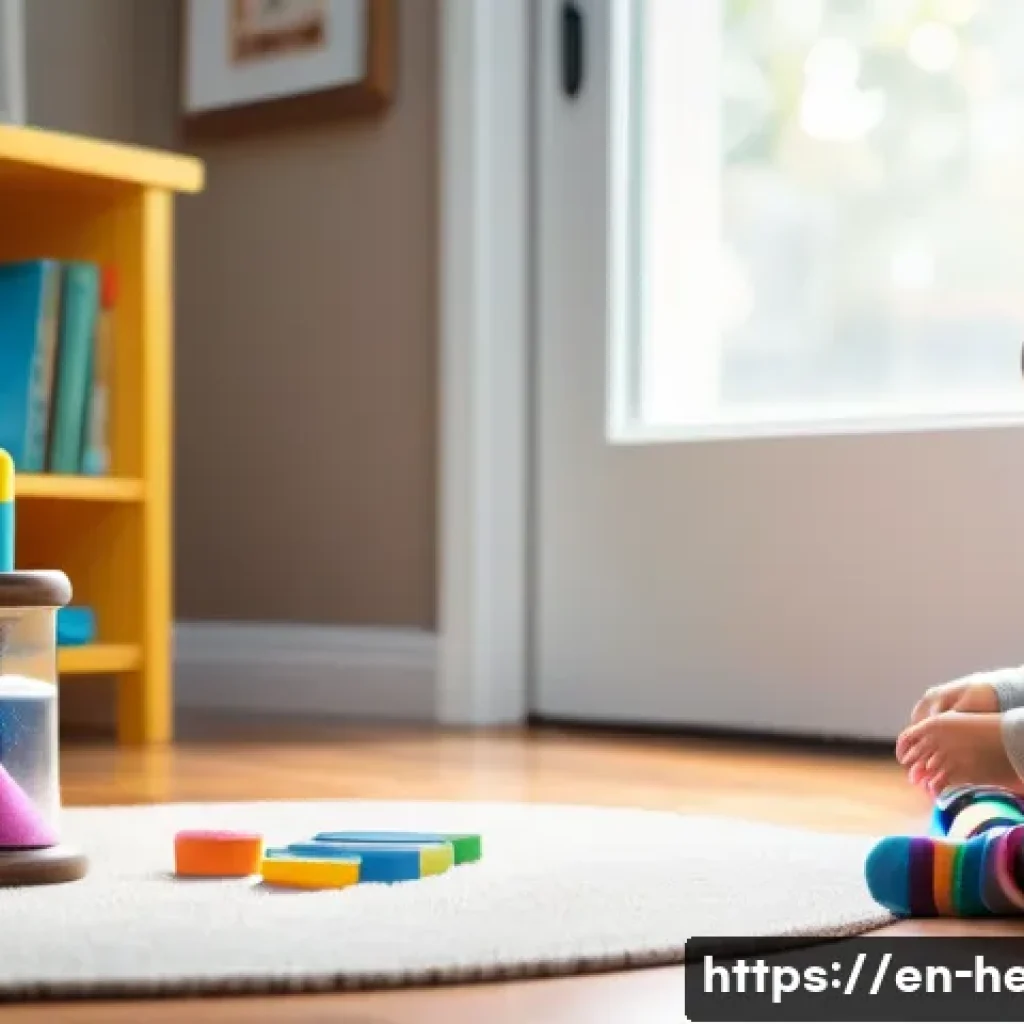
Visual timers can be a game-changer. Kids respond well when they see time passing in a tangible way. I found that setting a colorful sand timer or using a smartphone timer with fun sounds helped my nephew stay engaged during waiting periods.
He could see the sand slowly falling or watch the seconds count down, which made the wait less abstract and more manageable. Plus, it turns waiting into a mini challenge that’s actually fun to complete.
Explain the Benefits of Waiting
Children often lack the perspective to see why waiting is important. I made it a habit to explain how waiting can lead to better outcomes—like saving money to buy a favorite toy or letting food cool down so it tastes better.
Framing waiting as a smart choice rather than a punishment can shift their attitude significantly. Over time, this approach helped my kids develop a more positive view of patience, making them less likely to throw tantrums when asked to wait.
Encouraging Emotional Regulation During Frustration
Model Calm Behavior Yourself
Kids are incredibly perceptive and often mimic adult reactions. I noticed that when I stayed calm during stressful moments, my child was more likely to mirror that calmness.
It’s not always easy—especially when you’re in a rush or tired—but showing how to take deep breaths or count to ten before reacting can provide a powerful example.
This modeling teaches children that frustration is normal but managing it patiently is the goal.
Introduce Mindfulness Exercises
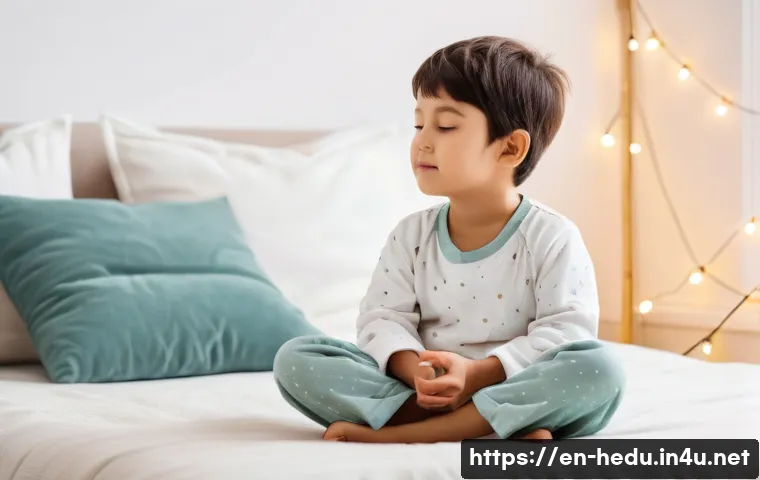
Mindfulness isn’t just for adults; even young children benefit from simple practices like deep breathing or guided imagery. I started incorporating a “calm corner” in our home, where my kids could take a moment to breathe deeply or listen to soothing music when they felt upset.
This created a safe space for them to regain control over their emotions, which in turn made waiting and handling delays less overwhelming.
Validate Their Feelings
Acknowledging a child’s frustration is crucial. I used to rush to fix problems immediately, but I learned that saying things like, “I know you’re upset because you have to wait,” makes a big difference.
It shows empathy and helps children feel understood rather than ignored or punished. This emotional validation builds trust and encourages them to express their feelings calmly, which is a key part of developing patience.
Building Patience Through Play and Routine
Games that Promote Turn-Taking
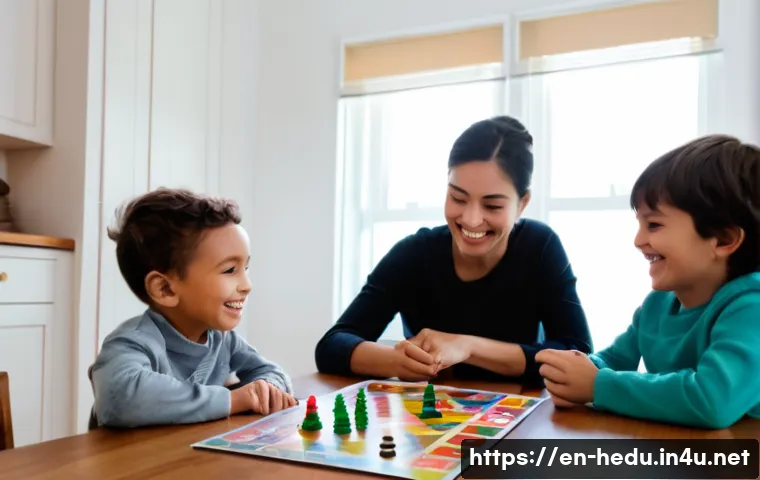
Board games, card games, and other turn-based activities naturally teach kids to wait their turn and practice patience. I’ve found that games like “Candy Land” or “Uno” are not only entertaining but also reinforce the importance of waiting and fairness.
During gameplay, I gently remind my children to be patient and praise them when they wait calmly, which reinforces positive behavior.
Structured Daily Routines
Predictable schedules help children understand what to expect and reduce anxiety around waiting. For example, having a consistent morning routine—wake up, breakfast, get dressed, then leave for school—creates natural pauses where patience can be practiced.
I noticed that when routines are clear and consistent, my kids become more cooperative and less impatient because they know what’s coming next.
Reward Systems for Patience
Implementing simple reward charts or tokens for demonstrating patience can motivate children effectively. I used a sticker chart where my child earned a star for every time they waited without fussing.
After collecting a certain number of stars, they got to choose a small treat or activity. This positive reinforcement made waiting feel worthwhile and helped build long-term habits.
Leveraging Communication to Foster Understanding
Use Storytelling to Illustrate Patience
Stories are a powerful tool to teach abstract concepts like patience. I often read books where characters face challenges that require waiting or perseverance.
Discussing the story afterward helps children relate to the characters’ feelings and see patience as a valuable skill. This narrative approach makes patience less of a chore and more of an adventure.
Encourage Expressing Needs Verbally
Sometimes impatience stems from frustration over not being heard. I encouraged my child to use words to express their feelings instead of acting out. For example, saying “I feel upset because I have to wait” helps them communicate clearly and opens the door for problem-solving.
Over time, this verbal expression reduces tantrums and builds emotional intelligence alongside patience.
Set Realistic Expectations Together
When children understand why certain things take time, they’re more willing to wait. I involve my kids in planning activities or errands by explaining how long things might take and asking them to help estimate waiting times.
This collaborative approach gives them a sense of control and makes waiting less frustrating because they’re part of the process.
Practical Tools to Support Patience Development
Calming Kits for On-the-Go
Having a small bag with calming items like stress balls, favorite books, or snacks can be a lifesaver during moments that require waiting, such as doctor’s appointments or long lines.
I prepared such kits for my kids, and it was amazing how much these little distractions helped them stay patient and less restless when waiting was unavoidable.
Use Positive Language Consistently
The words we choose shape children’s mindset. Instead of saying “Stop whining,” I try phrases like “Let’s use our calm voice.” This shift in language encourages patience by promoting positive behavior rather than focusing on the negative.
From my experience, kids respond better when they feel encouraged rather than scolded.
Practice Patience as a Family
Making patience a family value through shared activities like gardening, cooking, or puzzles helps reinforce the skill in a natural way. I noticed that when we all practice patience together, children feel supported and motivated.
It’s a reminder that patience isn’t just for kids—it’s something everyone works on.
Monitoring Progress and Adjusting Approaches
Track Patience Milestones
Keeping a simple journal or chart to note improvements in patience can be encouraging for both parents and children. I started noting moments when my child waited calmly or managed frustration well.
Seeing progress over time made us both proud and motivated to keep practicing.
Adapt Strategies to Your Child’s Temperament
Every child is unique. Some respond better to visual aids, others to verbal encouragement or rewards. I learned to observe what works best for my kids and adjust accordingly.
Flexibility in approach ensures that patience-building is effective and not frustrating.
Celebrate Effort, Not Just Results
Focusing on the effort a child puts into being patient rather than perfect outcomes helps build resilience. Praising attempts, even if imperfect, encourages a growth mindset.
I always tell my kids, “You’re doing a great job trying to wait calmly,” which helps them feel valued and keeps them trying.
| Strategy | Example | Benefit |
|---|---|---|
| Small Waiting Periods | Waiting 1-2 minutes for a snack | Introduces delayed gratification gradually |
| Visual Timers | Using a sand timer or phone timer | Makes waiting concrete and engaging |
| Mindfulness Exercises | Breathing deeply in a calm corner | Helps regulate emotions during frustration |
| Turn-Taking Games | Playing board games like “Uno” | Teaches fairness and patience naturally |
| Reward Systems | Sticker charts for calm waiting | Motivates through positive reinforcement |
| Storytelling | Reading books about patience | Helps children relate and understand concepts |
| Calming Kits | Stress balls, books for waiting times | Reduces restlessness during unavoidable waits |
In Closing
Building patience is a gradual but rewarding journey that benefits both children and adults alike. By creating opportunities to practice waiting, managing emotions, and encouraging communication, we help develop resilience and emotional intelligence. Remember, patience is a skill nurtured over time with understanding and support. The small steps you take today can lead to lifelong benefits for your family.
Useful Information to Keep in Mind
1. Start with short waiting periods to make delayed gratification easier for children to grasp.
2. Visual timers and calming tools turn waiting into a more concrete and engaging experience.
3. Modeling calm behavior and validating emotions teach children how to regulate frustration effectively.
4. Incorporating patience-building games and routines makes learning this skill fun and natural.
5. Consistent positive language and celebrating effort encourage a growth mindset and lasting habits.
Key Takeaways
Patience develops best when tailored to each child’s unique temperament and needs. Combining practical tools with empathy and clear communication fosters emotional growth and cooperation. Celebrate progress, no matter how small, to build confidence and resilience. Ultimately, patience is not just about waiting—it’s about learning to handle life’s challenges with grace and understanding.
Frequently Asked Questions (FAQ) 📖
Q: How can I help my child develop patience in everyday situations?
A: One of the best ways to nurture patience is by incorporating small, manageable waiting times into daily routines. For example, you can encourage your child to wait a few minutes before getting a snack or playing a game.
During these moments, distract them with a calm activity like drawing or reading together. I’ve noticed that when parents model patience themselves and celebrate even the tiniest progress, children feel motivated to keep trying.
It’s all about consistency and making waiting a normal, non-stressful part of life rather than a punishment.
Q: What are some effective activities to teach kids how to cope with frustration?
A: Activities that promote mindfulness and emotional awareness work wonders for handling frustration. Simple breathing exercises or guided imagery can help children calm down when they feel overwhelmed.
I’ve personally found that teaching kids to name their emotions—like saying “I feel upset because…”—gives them a sense of control and helps them pause instead of reacting impulsively.
Puzzle games or building blocks can also teach patience indirectly by requiring focus and persistence. The key is to create a safe space where kids can express their feelings and learn coping strategies step by step.
Q: How long does it typically take for children to show noticeable improvement in patience?
A: Patience is a skill that develops gradually, and the timeline varies depending on the child’s temperament and the consistency of practice. From my experience, you might start seeing small changes within a few weeks if you consistently reinforce positive behavior and provide gentle reminders.
However, real, lasting improvement often takes several months because children are learning to regulate emotions that don’t come naturally. Remember, setbacks are normal—what matters most is your ongoing support and encouragement, which build their confidence to keep trying.