Teaching children the value of teamwork is more important than ever in today’s fast-paced, interconnected world. When kids learn to collaborate effectively, they not only build stronger friendships but also develop essential skills like communication, empathy, and problem-solving.

These abilities pave the way for success both in school and later in life. From group projects to family activities, opportunities to nurture cooperation abound.
Understanding how to encourage and guide this behavior can make a big difference in a child’s growth. Let’s dive deeper and explore practical ways to foster cooperative spirit in children!
Building Communication Skills Through Play
Encouraging Open Dialogue
Helping children express their thoughts and feelings clearly is a cornerstone of teamwork. When kids are encouraged to talk openly during playtime or group activities, they learn how to listen and respond thoughtfully.
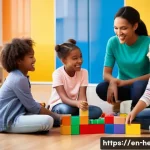
For instance, in a simple game of building blocks together, children who share their ideas about what to build and listen to others’ suggestions tend to create more impressive structures.
I’ve noticed that when parents or teachers ask open-ended questions like “What do you think we should do next?” kids start practicing respectful listening and learn to value others’ opinions naturally.
This kind of communication practice fosters patience and empathy, making collaboration smoother and more enjoyable.
Modeling Effective Communication
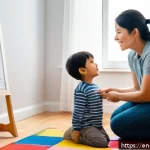
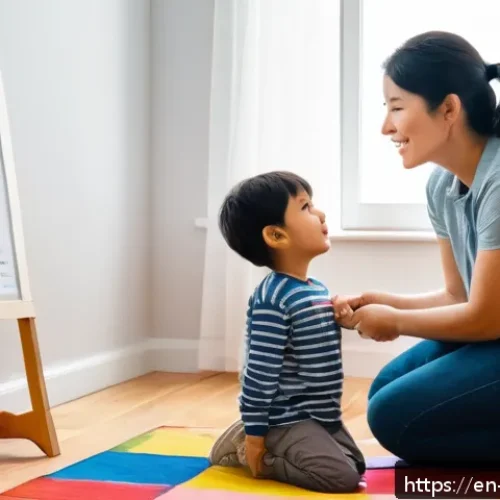
Children often mimic adults, so demonstrating clear and kind communication yourself is a powerful teaching tool. When you solve conflicts calmly or explain instructions with patience, kids absorb these behaviors without even realizing it.
I remember working with a group of kids where the adult calmly guided them through disagreements by paraphrasing each child’s point of view and then suggesting compromises.
This approach made the children feel heard and respected, motivating them to mirror that behavior in their own interactions. Such real-life examples are far more effective than lectures about teamwork because kids experience firsthand how communication builds trust and cooperation.
Using Storytelling to Teach Cooperation
Stories are a fantastic way to introduce children to the value of teamwork without it feeling like a lesson. Sharing tales where characters overcome challenges by working together can inspire kids to emulate those behaviors.
For example, classic stories like “The Little Red Hen” or modern books about diverse groups solving problems can spark conversations about roles, responsibilities, and the power of helping one another.
From my experience, children often recall these stories during their own play, naturally integrating cooperative values into their social interactions.
Creating Opportunities for Shared Responsibilities
Family Chores as Teamwork Practice
Involving kids in household chores that require cooperation teaches them how to share tasks and depend on each other. Assigning roles like setting the table, washing vegetables, or tidying up together can turn routine work into a fun team effort.
When my friends’ families tried this, they noticed kids became more responsible and less likely to argue over “who does what.” The key is to emphasize that every role matters and that success depends on everyone doing their part.
This shared responsibility not only promotes teamwork but also builds a sense of accomplishment and belonging.
Group Projects at School
Group assignments are classic teamwork training grounds, but they can also be a source of frustration if not managed well. Encouraging children to plan together, divide tasks fairly, and check in regularly helps prevent misunderstandings.
From what I’ve seen as a volunteer in after-school programs, kids who take turns leading and supporting each other develop stronger bonds and more effective collaboration skills.
Teachers and parents can guide them by setting clear goals and praising cooperative efforts rather than just the final product, reinforcing the value of working well together.
Organized Team Sports and Activities
Sports like soccer, basketball, or even group dance classes offer natural environments for kids to practice cooperation, communication, and trust. When kids learn that winning depends on everyone’s contribution, they start appreciating their teammates’ strengths and weaknesses.
A personal story I often share involves a young soccer player who was initially focused only on scoring but gradually learned to pass and support others, boosting both his confidence and the team’s success.
These experiences teach resilience, respect, and how to celebrate group achievements, all critical teamwork components.
Fostering Emotional Intelligence to Support Teamwork
Recognizing and Naming Emotions
Helping children identify their feelings and those of others is crucial for empathy and collaboration. When kids can say “I’m frustrated” instead of acting out, or notice a friend feeling sad, they become better teammates.
I’ve found that games like “emotion charades” or simple conversations about daily feelings help children practice emotional awareness in a safe and fun way.
This emotional vocabulary empowers them to express needs constructively and respond sensitively to others, smoothing over conflicts before they escalate.
Teaching Conflict Resolution Skills
Disagreements are inevitable in any group, but how children handle them makes all the difference. Guiding kids to use “I” statements, take turns speaking, and brainstorm solutions encourages peaceful problem-solving.
For example, I once observed a small group of children arguing over a toy; when an adult calmly asked each child to explain their perspective and suggest a fair compromise, they quickly found a solution everyone accepted.
These early lessons in negotiation and respect set a foundation for healthy teamwork and social interactions throughout life.
Promoting Patience and Flexibility
Teamwork often requires waiting for others, adapting plans, and accepting different viewpoints. Teaching children that patience is a strength, not a weakness, can transform their cooperative experiences.
When my niece learned to wait her turn in a group art project and adjust her ideas based on friends’ input, she felt proud and more connected. Encouraging flexibility also means praising efforts to accommodate others, which helps kids understand that teamwork isn’t about winning individually but creating success together.
Incorporating Technology to Enhance Cooperative Learning
Collaborative Online Games and Apps
In today’s digital age, many apps and games are designed to promote teamwork and problem-solving. Games that require players to work together to achieve goals can teach planning, communication, and shared responsibility in an engaging way.
I’ve personally seen children improve their cooperative skills when playing multiplayer puzzle games or virtual building challenges, as these activities demand constant interaction and joint decision-making.
Parents can support this by choosing age-appropriate games and joining in occasionally to model positive collaboration.
Virtual Group Projects and Video Calls
With remote learning becoming more common, kids are often collaborating through video chats and shared online documents. These platforms provide a unique chance to practice teamwork across distances, requiring clear communication and accountability.
From my experience tutoring children during virtual sessions, those who learn to manage their time, contribute ideas, and check in with peers online develop strong digital collaboration skills that will be invaluable later in life.
Encouraging regular virtual meetings and setting clear roles can make these experiences both productive and enjoyable.
Balancing Screen Time with Real-Life Interaction
While technology offers helpful tools, it’s important to balance screen-based teamwork with face-to-face social activities. Kids need hands-on experiences where they can read body language, practice empathy, and build trust in person.

I’ve noticed that children who spend time playing cooperative board games, engaging in team sports, or participating in group crafts develop a deeper understanding of teamwork nuances that screens alone can’t fully replicate.
Finding this balance helps children build versatile social skills adaptable to any environment.
Recognizing and Rewarding Cooperative Behavior
Positive Reinforcement Strategies
Acknowledging children’s efforts to work well with others encourages them to keep practicing these behaviors. Simple praise like “I love how you helped your friend share the toys” or “You did a great job listening to everyone’s ideas” goes a long way.
From what I’ve observed in classrooms, tangible rewards such as stickers, extra playtime, or small privileges tied to cooperative actions motivate kids to value teamwork.
The key is to focus on specific behaviors rather than vague compliments, making the praise meaningful and reinforcing.
Setting Team Goals and Celebrations
Creating shared goals for groups and celebrating their achievements together boosts motivation and strengthens bonds. Whether it’s completing a puzzle, finishing a class project, or winning a game, recognizing the collective effort helps children see the power of collaboration.
I recall organizing a group art contest where kids set their own goals and celebrated with a small party afterward; this experience made teamwork feel rewarding and fun rather than just another task.
Teaching Self-Reflection and Growth
Encouraging kids to think about how they contributed to a team and what they could improve fosters a growth mindset. Questions like “What did you do to help your group today?” or “How can you be an even better teammate next time?” promote self-awareness and responsibility.
In my experience, children who regularly reflect on their teamwork tend to develop stronger leadership and cooperation skills, preparing them for future challenges.
| Teamwork Skill | How to Encourage | Example Activity | Benefits |
|---|---|---|---|
| Communication | Model open dialogue and active listening | Building block collaboration | Improved understanding and empathy |
| Shared Responsibility | Assign group chores and roles | Family meal prep teamwork | Sense of accomplishment and trust |
| Emotional Intelligence | Teach emotion recognition and conflict resolution | Emotion charades and guided discussions | Better conflict handling and empathy |
| Technology Use | Choose cooperative games and virtual projects | Online puzzle games and video calls | Enhanced digital collaboration skills |
| Positive Reinforcement | Praise specific teamwork behaviors | Sticker rewards and team celebrations | Motivation and strengthened bonds |
Encouraging Leadership Within the Group
Rotating Leadership Roles
Giving each child a chance to lead the group helps them develop confidence and understand different perspectives. When kids experience being both leaders and followers, they appreciate the challenges and strengths involved in each role.
I’ve seen this work well in classroom settings where teachers assign rotating roles like “team captain” or “timekeeper,” which encourages responsibility and fairness.
It’s a practical way to help children build leadership skills without creating pressure or competition.
Teaching Decision-Making Skills
Leaders often face choices that affect the group, so teaching kids how to make thoughtful decisions is crucial. Encouraging them to gather input, weigh options, and consider consequences helps them become inclusive and effective leaders.
In my experience mentoring youth groups, children who learn decision-making through guided discussions become more confident and considerate, boosting the overall group dynamic.
Recognizing Different Leadership Styles
Not every child leads the same way, and recognizing diverse leadership styles is important for healthy teamwork. Some kids lead by example, others by encouraging, and some through organizing.
When adults acknowledge and support these differences, children feel valued and learn that leadership isn’t one-size-fits-all. This understanding fosters respect among peers and creates a more balanced and effective team environment.
Integrating Teamwork Lessons into Everyday Life
Using Mealtime as a Learning Moment
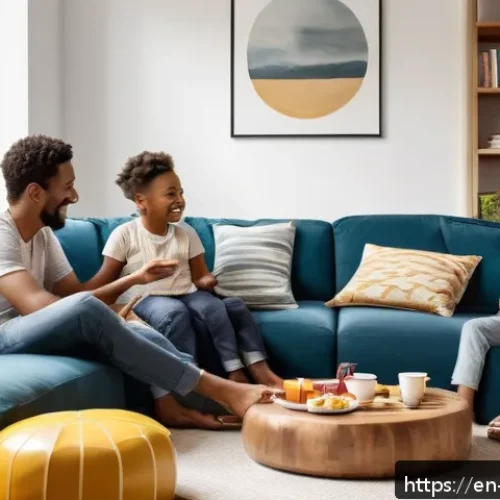
Family meals can be a perfect setting to practice cooperation, from setting the table to sharing stories and resolving minor disagreements. I’ve found that when families involve kids in meal prep and cleanup, children feel more connected and responsible.
Discussing daily events around the table also teaches active listening and respectful conversation, essential components of teamwork.
Encouraging Cooperative Playdates
Playdates offer natural opportunities for children to practice sharing, negotiating, and collaborating. Parents can facilitate by suggesting group games or projects rather than individual activities.
From my experience, kids who regularly engage in cooperative playdates develop stronger social skills and more meaningful friendships, as they learn to navigate group dynamics in a relaxed setting.
Promoting Teamwork in Community Activities
Involvement in community groups like scouts, sports teams, or volunteer projects exposes children to larger teamwork experiences. These activities often have structured roles and goals, helping kids understand the importance of working together beyond their immediate circle.
I’ve witnessed how such engagement boosts children’s sense of belonging and social responsibility, enriching their teamwork abilities and personal growth.
Conclusion
Developing teamwork skills through play and everyday experiences is essential for children’s social growth. By encouraging open communication, shared responsibilities, and emotional intelligence, kids learn how to collaborate effectively. Integrating these lessons into daily life and recognizing cooperative behavior helps build confidence and stronger relationships. Ultimately, teamwork nurtures empathy, respect, and leadership abilities that serve children well throughout their lives.
Useful Tips to Remember
1. Encourage children to express their thoughts openly and listen actively to others during group activities.
2. Involve kids in shared chores or projects to teach responsibility and the importance of every team member’s role.
3. Use storytelling and games to develop emotional awareness and conflict resolution skills in a fun way.
4. Balance technology-based cooperative learning with face-to-face interactions to build versatile social skills.
5. Recognize and reward positive teamwork behaviors to motivate children and strengthen group bonds.
Key Takeaways
Effective teamwork starts with fostering clear communication and empathy in children. Providing opportunities for shared responsibilities and guiding them through conflict resolution builds trust and cooperation. Embracing diverse leadership styles and integrating teamwork into everyday moments enhances social skills and confidence. Lastly, combining digital collaboration with real-world interactions ensures children develop well-rounded abilities to work successfully in any group setting.
Frequently Asked Questions (FAQ) 📖
Q: How can I encourage my child to work better with others when they prefer to play alone?
A: It’s quite common for some kids to enjoy solo play, and that’s perfectly okay. To gently introduce teamwork, start with small, low-pressure activities that involve just one or two peers, such as building a simple puzzle together or playing a cooperative board game.
Praise any effort your child makes to share or take turns, even if it’s brief. Over time, these positive experiences build confidence and interest in group activities.
I found that when I let my child choose the activity, they felt more in control and open to cooperating, which made a big difference.
Q: What are some effective ways to teach empathy and communication through teamwork?
A: One practical approach is to model empathetic communication yourself—show your child how to listen actively, acknowledge others’ feelings, and express their own thoughts clearly.
Role-playing scenarios can be surprisingly effective; for example, pretending to resolve a disagreement or share toys helps kids practice these skills in a fun way.
I noticed that when kids understand how others feel and why, they naturally become more patient and willing to cooperate. Encouraging “I feel” statements during group activities also helps them articulate emotions rather than acting out.
Q: How can teamwork skills learned at home translate into success at school and beyond?
A: Teamwork is a foundational skill that goes way beyond classroom group projects. When children learn to collaborate, they develop problem-solving strategies, flexibility, and resilience—all qualities valued in school settings and later professional environments.
For instance, a child who’s used to negotiating roles in family chores is better equipped to handle responsibilities in a school club or work team. From my experience, kids who regularly practice teamwork at home tend to navigate social challenges more smoothly and show greater leadership potential as they grow.