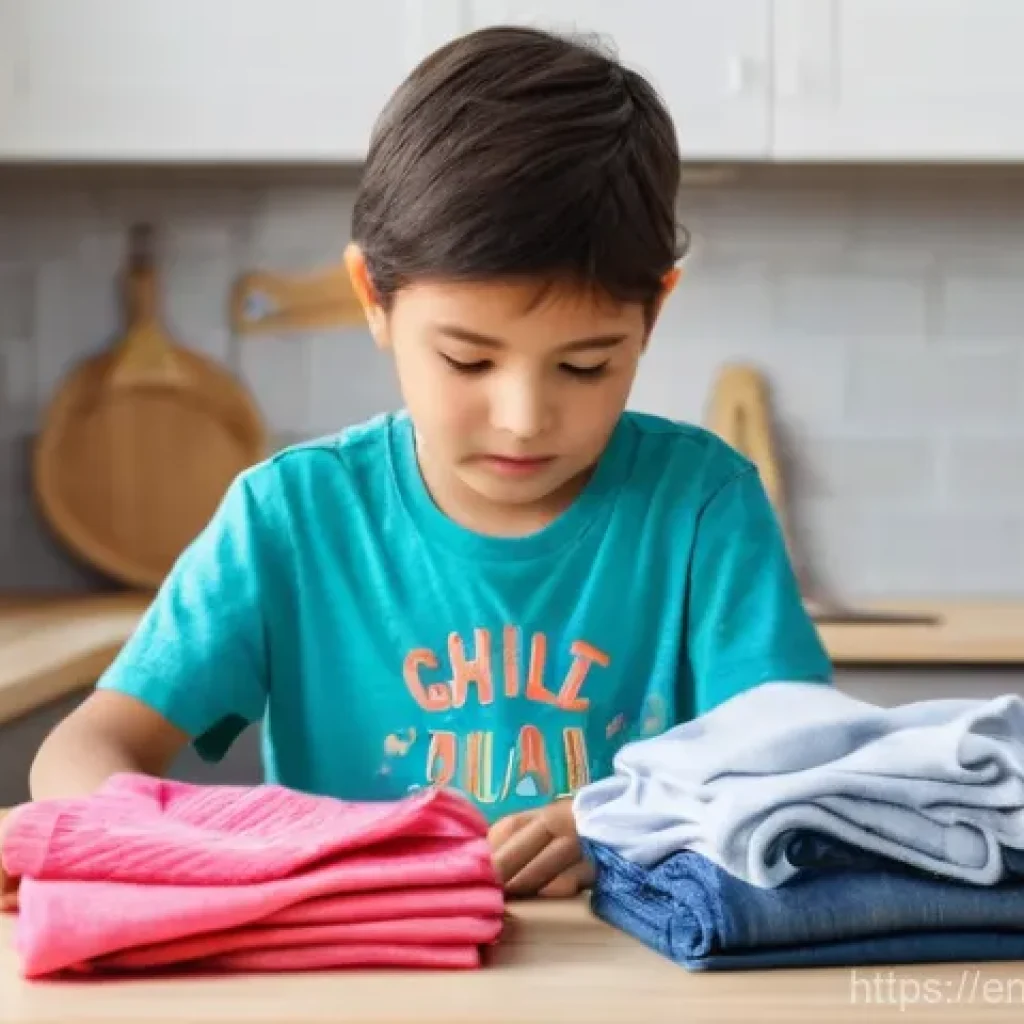
Let’s be real, parents. Does the mere mention of ‘chores’ in your household often trigger groans louder than a rock concert, or perhaps a sudden vanishing act from your little ones?
Trust me, I’ve been there, staring at a mountain of laundry while my kids are magically deaf to my pleas! It’s easy to feel like we’re constantly battling to get a little help around the house, isn’t it?
But what if I told you that those seemingly mundane tasks – from tidying toys to setting the dinner table – are actually laying the groundwork for something far more significant than just a clean living room?
In today’s fast-paced world, where we’re constantly striving to raise resilient, independent, and emotionally intelligent kids, embracing household responsibilities is becoming a hot topic.
Modern research, and frankly, my own journey through parenthood, consistently shows that involving children in chores isn’t just about easing our workload.
It’s a powerful, hands-on masterclass in life skills, fostering everything from time management and a strong work ethic to crucial problem-solving abilities and a deep sense of belonging.
We’re talking about building character, boosting self-esteem, and preparing them for a successful future, far beyond the confines of our homes. Below, we’re going to dive deep into how you can transform chore time from a family struggle into a foundational pillar of your child’s development, setting them up for genuine success.
Cultivating Little Leaders: Beyond Just a Tidy Home
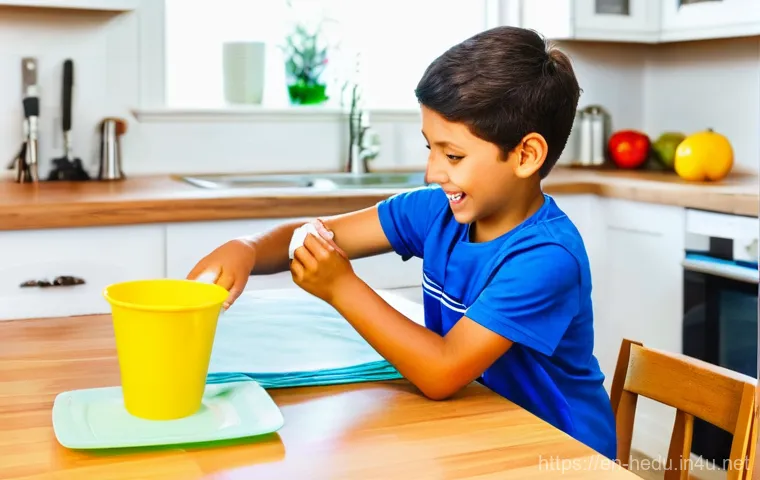
Honestly, when I first started this parenting gig, I thought chores were just… chores. A means to an end, a way to keep my house from looking like a tornado ripped through it. But oh, how wrong I was! What I’ve seen firsthand, both in my own home and talking to countless other parents, is that when kids consistently contribute to the household, they don’t just learn to fold laundry. They learn to lead. They develop this incredible sense of initiative, understanding that their actions have a tangible impact on the family unit. It’s not just about tidiness; it’s about ownership, about looking around and thinking, “What needs to be done? How can I help?” This proactive mindset is a superpower, trust me. I remember one morning, my youngest, Leo, who’s usually more interested in superhero capes than dish soap, spontaneously decided to wipe down the kitchen counter after breakfast. He saw a few crumbs, and without a word, grabbed a cloth. The pride on his face when he showed me his sparkling work? Absolutely priceless. It wasn’t about the counter being spotless; it was about him seeing a need and taking action. That, right there, is the kind of self-starter attitude that will serve them well in every aspect of their lives, from school projects to future careers.
The Unexpected Boost to Problem-Solving Skills
You might think, “How does making their bed teach problem-solving?” Well, think about it. When a child is tasked with a chore, especially a new one, they often encounter mini-challenges. My daughter, Chloe, for example, struggled for ages with putting away her clean clothes. It wasn’t just about folding; it was about figuring out where everything went, which drawer for socks, which for shirts, and how to fit it all neatly. It became a spatial puzzle, a small logistical challenge. She had to strategize: “Okay, if I put these bulky sweaters in first, where will the smaller items go?” She learned to analyze, plan, and execute. Sometimes, she’d get frustrated, but with a little guidance – never doing it *for* her, mind you – she’d always find a solution. These aren’t just isolated incidents; they’re daily training sessions for their developing brains, teaching them resilience and adaptability when faced with obstacles, big or small. It’s like a low-stakes training ground for real-world complexities.
Building Empathy and a Sense of Community
Here’s a beautiful outcome I’ve consistently observed: chores foster empathy. When my kids help clean up after dinner, they’re not just clearing plates; they’re participating in a shared effort that benefits everyone. They start to understand that Mom and Dad aren’t just magically making things happen; there’s effort involved. They see the tired look on my face after a long day and, in their own way, want to alleviate some of that burden. “Mom, I’ll help you with the dishes tonight,” Chloe said to me just last week, seeing me sigh after a particularly hectic day. That willingness to contribute, to lighten someone else’s load, comes directly from being an active, valued member of our family team. It teaches them that a household runs on cooperation and mutual support, not just individual desires. It’s a powerful lesson in community and understanding that we all play a part in creating a harmonious environment.
Beyond the “Because I Said So”: Fostering Intrinsic Motivation
Let’s be real, relying on threats or constant nagging to get chores done is exhausting for everyone involved. I know, because I tried it, and it turned my house into a battlefield more often than not. The secret, I’ve discovered, isn’t about making them do chores, but about making them *want* to do chores, or at least understand the inherent value. It’s about shifting from external motivators, like pocket money or screen time, to nurturing an internal drive. This isn’t easy, and it definitely doesn’t happen overnight. It requires patience, consistency, and a whole lot of celebrating small victories. My son, Leo, absolutely loves our “Family Contribution Chart.” It’s not about earning money – it’s about ticking off tasks and seeing his name next to accomplished items. The satisfaction he gets from seeing his progress, knowing he contributed, is far more powerful than any dollar I could offer. We’ve even started having weekly “family meetings” where we discuss what chores need doing and who feels capable of taking them on. It gives them agency, a voice in the process, which drastically reduces resistance.
The Power of Choice and Ownership
One of the most effective strategies I’ve implemented is offering choices. Instead of saying, “You need to do the dishes,” I might say, “Would you prefer to do the dishes tonight or take out the trash and recycle?” Giving them a say, even within a limited framework, instantly transforms the task from an imposed burden into a personal decision. This sense of ownership is crucial. When Chloe chose to be responsible for feeding the cat every morning, it wasn’t just a chore; it became “her job.” She takes immense pride in it, making sure the bowl is full, checking for water, and even giving our grumpy feline a little pet. If she misses a day, she feels a genuine pang of guilt, not because I’m angry, but because she let down her furry friend and her family. That intrinsic desire to fulfill a chosen responsibility is golden, and it’s a direct result of letting them have a degree of control over their contributions.
Connecting Chores to Real-World Impact
Kids, especially younger ones, often struggle to see the bigger picture. Why do I have to clean my room? What’s the point of sorting laundry? It’s our job as parents to connect these seemingly mundane tasks to their real-world impact. For instance, when we put away groceries, I explain how it helps keep our food fresh, prevents waste, and saves us money. When they help tidy up the living room, I emphasize how much nicer it is for everyone to relax in a clean space. “Imagine trying to play a board game if all these toys were everywhere!” I’d say. Or, after cleaning the bathroom, “Now it’s fresh and ready for your bubble bath tonight!” Making these tangible connections helps them understand the “why” behind the “what,” transforming an abstract instruction into a meaningful contribution. It makes them feel like a vital part of the household’s smooth operation, not just a tiny cog.
Age-Appropriate Adventures: Setting Them Up for Success
This is where so many of us, myself included, can sometimes stumble. We either ask too much, leading to frustration, or too little, missing valuable opportunities. The key, I’ve learned through a lot of trial and error (and a few epic meltdowns, both theirs and mine!), is to align tasks with their developmental stage. What a 3-year-old can do is vastly different from what a 10-year-old can handle, both physically and cognitively. Trying to get a preschooler to perfectly fold a fitted sheet is a recipe for disaster and tears, while asking a pre-teen to simply “clean their room” without further definition is equally frustrating. It’s about setting achievable expectations and building up their skills gradually. Think of it like a video game: you start with easy levels and unlock more complex challenges as they gain experience. We want them to feel capable and successful, not overwhelmed and defeated. This careful calibration ensures that chores remain a positive learning experience rather than a source of constant conflict. I often look at what skills they’re currently developing – fine motor skills, sequencing, organization – and then assign chores that naturally reinforce those areas.
A Gentle Ladder of Responsibility
I’ve found it incredibly helpful to visualize chores as a ladder, where each rung represents a new skill or a more complex task. For a toddler, putting toys in a basket is a huge accomplishment. As they grow, that might evolve into sorting toys, then putting away books, then making their bed (albeit imperfectly!). By the time they’re in elementary school, they can be responsible for setting the table, helping with simple meal prep, or taking out the trash. Teenagers, of course, are capable of much more, like doing their own laundry, helping with grocery shopping, or even planning and cooking a family meal once a week. The progression should feel natural, like they’re leveling up in their household contributions. I’ve even created a visual chart on our fridge that lists age-appropriate tasks, which helps us all stay on the same page and gives the kids a sense of what’s coming next, often sparking a desire to try new things.
When and How to Introduce New Tasks
Timing and approach are everything when introducing new chores. I always try to introduce a new task when everyone is calm and has ample time, never when we’re rushing out the door or already stressed. I sit down with my child, clearly explain the task, and, most importantly, *demonstrate* it. We do it together several times until they feel confident. “Okay, so first, we put the dirty clothes in the basket, like this. Then, we sort the colors. Want to try?” This hands-on guidance prevents frustration and builds confidence. It’s not just about telling them; it’s about showing them and then letting them try, offering gentle corrections along the way. Remember, perfection isn’t the goal; participation and effort are. I’ve learned to embrace the “good enough” philosophy when it comes to early chore attempts. A perfectly made bed isn’t as important as the child’s pride in having made it themselves.
The Parent’s Playbook: Navigating Chore Challenges
Let’s be honest, it’s not always sunshine and rainbows. There will be resistance. There will be procrastination. There will be the inevitable “I forgot!” (which, let’s face it, is often code for “I didn’t want to do it”). This is where our own parenting toolkit comes into play. How we react to these challenges can make or break the chore-learning process. I’ve had my share of moments where I’ve wanted to just throw my hands up and do it myself – it’s often quicker, right? But I’ve learned that giving in, even just once, sends a powerful message that they don’t *really* have to do it. Consistency, while draining at times, is paramount. It’s about holding the line with kindness and firm expectations. We want to teach them responsibility, not resentment, so our approach needs to be strategic and thoughtful. It’s about finding that sweet spot between structure and flexibility, understanding that they’re still learning and growing.
Consistency is Your Secret Weapon
If there’s one piece of advice I can shout from the rooftops, it’s this: be consistent. If a chore is assigned, it needs to be completed. Period. This doesn’t mean being rigid or punitive, but it does mean following through. For our family, we use a simple visual chart. If a chore isn’t done by a certain time, there are natural consequences, which we’ve discussed as a family. For example, if toys aren’t put away, the living room is off-limits for play until they are. If clean laundry isn’t put away, they might struggle to find their favorite shirt in the morning. These aren’t punishments; they’re direct outcomes of incomplete tasks. It took a while, but once my kids realized I meant business – and that I wasn’t going to do it for them – the resistance significantly decreased. It really does establish a predictable routine that, eventually, just becomes part of the family rhythm. It’s tough love, but it’s effective.
Embracing the “Do-Over” and Avoiding Perfectionism
Oh, the “do-over.” This has been a lifesaver in our house. When a chore isn’t done to an acceptable standard (and I’m not talking about perfection here, just a reasonable effort), instead of getting angry or criticizing, I simply ask them to “do it again.” Sometimes, I might offer a quick demo of how it could be done better. “Hey, I see you tidied up, great start! But I notice a few things under the bed. Let’s try to get everything in the bins this time.” It’s not a punishment; it’s an opportunity to learn and improve. This approach avoids shaming and instead focuses on skill development. It’s about teaching them to self-correct and to strive for a job well done, without the pressure of having to get it perfect on the first try. I remember Chloe being so frustrated with folding towels until we practiced the “do-over” a few times. Now, her towels are practically showroom ready!
Beyond the Allowance: Reframing Rewards and Recognition
The great allowance debate! Should kids get paid for chores? This is such a personal choice for every family, and there’s no single right answer. In our household, we’ve settled on a hybrid approach. Basic, daily contributions (like making beds, tidying their rooms, helping set the table) are part of being a family member – they’re not paid. These are their contributions to our shared living. However, for bigger, less frequent tasks that go “above and beyond” (washing the car, deep cleaning the bathroom, tackling yard work), we do offer an allowance. This teaches them about earning money, valuing work, and managing their finances. It’s about distinguishing between expected family contributions and tasks that are more like paid work. This system has worked wonders for us because it separates the intrinsic value of contributing to the family from the transactional value of earning money, giving them the best of both worlds. It really encourages them to volunteer for those extra tasks because they see the financial reward, while still doing their everyday bit without expectation of payment.
Celebrating Effort, Not Just Flawless Execution
This is crucial: acknowledge the effort, even if the outcome isn’t perfect. “Wow, you really worked hard on cleaning the living room!” or “I saw you trying so hard to fold that laundry, great job!” Positive reinforcement is incredibly powerful. It builds confidence and encourages them to keep trying. We use a simple reward system for tasks that are just for family contribution: stickers on a chart, extra story time, or choosing a family movie night. These are non-monetary rewards that strengthen family bonds and highlight their value to the team. The focus isn’t on the perfect outcome; it’s on the willingness to participate and the effort put in. My kids absolutely beam when they get a sticker for completing their “helper tasks,” and it reinforces that their contributions are seen and appreciated, which is sometimes more valuable than any dollar amount.
Creating a “Contribution Culture”
Our ultimate goal is to create a home where contributing is just part of our family culture. It’s not something we *have* to do; it’s something we *do*. We talk about it openly. “Our family works best when everyone pitches in.” We celebrate our collective achievements, like a sparkling clean house before guests arrive. We model it ourselves, making sure our kids see us doing chores willingly and cheerfully (most of the time!). It’s about instilling a mindset where helping out is a natural, expected, and even enjoyable part of family life. This culture fosters a sense of belonging and mutual responsibility, teaching them that we’re all in this together. It’s a beautiful thing to witness, truly. It transforms individual tasks into a shared purpose, creating a more harmonious and supportive home for everyone.
| Age Group | Suggested Chores & Skills | Benefits Gained |
|---|---|---|
| Toddlers (2-3 years) | Put toys in a basket, help put books on a shelf, put dirty clothes in a hamper, wipe up small spills (with supervision). | Fine motor skills, following instructions, basic responsibility, sense of contribution. |
| Preschoolers (4-5 years) | Make their bed (simple), set placemats, help clear table, water plants, feed pets, put away groceries on lower shelves. | Independence, sequencing, self-care, empathy for others/pets, basic organization. |
| Early Elementary (6-8 years) | Make bed neatly, tidy room, take out trash, sort laundry, help with simple meal prep, vacuum small areas, gather mail. | Follow multi-step directions, problem-solving, work ethic, attention to detail, time management. |
| Late Elementary (9-11 years) | Do own laundry, clean bathroom basics, wash dishes/load dishwasher, rake leaves, help with meal planning/cooking. | Complex task management, resourcefulness, financial literacy (if allowance-based), increased independence. |
| Teenagers (12+ years) | Full laundry routine, grocery shopping, cook full meals, yard work, car cleaning, babysitting younger siblings (paid). | Advanced life skills, budgeting, leadership, self-sufficiency, real-world preparation. |
The Long-Term Payoff: Beyond Childhood Contributions
If you’re anything like me, sometimes in the middle of a chore battle, you might wonder if it’s all worth it. All the nagging, the explaining, the repeated demonstrations. But trust me, the payoff is immense, and it extends far beyond a tidy house. What we’re doing here, by patiently guiding our children through household responsibilities, is laying down a robust foundation for their future success and well-being. We’re not just raising kids who can clean; we’re raising adults who are capable, resilient, and well-adjusted. Think about the college dorm room, the first apartment, the challenges of managing a household as an adult. Those seemingly small chores now are the building blocks for navigating those future responsibilities with confidence and competence. I’ve seen it with my older cousins and their kids – the ones who had consistent chores growing up are undeniably more independent and less overwhelmed by the demands of adult life. It’s truly an investment in their future selves.
Building Resilient and Self-Sufficient Adults
I distinctly remember a friend of mine, well into his twenties, admitting he didn’t know how to do laundry properly because his parents always did it for him. He was a brilliant professional, but completely stumped by basic life skills. That’s the exact scenario we’re trying to avoid! By empowering our children to handle chores, we’re fostering self-sufficiency. They learn that they are capable individuals who can manage their own needs and contribute to their environment. This resilience is key. When they inevitably encounter challenges later in life, whether it’s a demanding job or a tricky roommate situation, they’ll have that internal toolkit of problem-solving, responsibility, and perseverance that they honed doing chores. It’s about creating individuals who don’t just rely on others to fix things, but who confidently tackle challenges head-on because they’ve been doing it their whole lives, one dish at a time.
The Unseen Boost to Mental Well-being
This might sound a little out there, but I genuinely believe that consistent chore involvement contributes to a child’s mental well-being. There’s a deep satisfaction that comes from contributing, from seeing a task through to completion, and from knowing you’ve made a positive impact. It boosts self-esteem and provides a sense of purpose. When my kids complete a chore, especially one they initially resisted, there’s a visible sense of accomplishment. They feel capable, competent, and valued. This sense of efficacy, knowing they can tackle challenges and succeed, is a powerful antidote to anxiety and low self-worth. In a world where kids are constantly bombarded with external pressures, giving them concrete ways to contribute and feel useful within their own home can be incredibly grounding and affirming. It’s a quiet builder of confidence, one broom sweep and folded towel at a time.
The Family Team Advantage: Strengthening Bonds Through Shared Work
You know that feeling when you and your partner finally conquer a massive home project together? There’s a sense of camaraderie, right? It’s the same with kids and chores, perhaps even more so. When everyone in the family is working towards a common goal – a clean home, a delicious meal, a well-maintained yard – it naturally strengthens bonds. Chores become less about individual tasks and more about collective effort, a tangible expression of teamwork. We often put on some music and make “chore time” a family event. My kids love competing to see who can tidy their room fastest, or we’ll all tackle the kitchen together after dinner. There’s a lot of laughter, some playful teasing, and a real sense of shared accomplishment. These moments, messy as they sometimes are, are powerful opportunities for connection, teaching them that working together makes everything lighter and more enjoyable. It reinforces that we’re a unit, a team, and everyone’s contribution matters.
Communication Central: Talking Through Tasks and Troubles
Chores provide a fantastic, built-in opportunity for daily communication. It’s not just about barking orders; it’s about discussing what needs to be done, who’s doing what, and troubleshooting when things go wrong. “Hey, the dishwasher isn’t emptying properly, how do you think we can fix this?” or “We need to get the recycling out by morning, who can help me with that?” These simple conversations teach them how to articulate needs, listen to others, and compromise. I’ve found that when we talk through chore assignments and challenges openly, my kids feel more heard and respected, which in turn makes them more willing to participate. It’s a practical lesson in effective family communication, helping them develop the skills to express themselves and work collaboratively, skills that are invaluable in all their relationships. It truly opens up lines of dialogue that might not happen otherwise.
Building Shared Memories (Yes, Even With Chores!)
You might think, “Memories? Of cleaning the bathroom?” But trust me, some of our most unexpected and endearing family memories have been forged during chore time. The time Leo accidentally put dish soap in the washing machine (it was a bubble explosion!), or when Chloe tried to “help” me with gardening and ended up wearing more mud than the plants. These aren’t just chores; they’re shared experiences, often filled with laughter, learning, and sometimes, a little bit of chaos. These are the stories we recount at the dinner table, the moments that become part of our family lore. It’s in these everyday acts of working together, even the seemingly mundane ones, that the fabric of our family life is woven. These moments, far from being forgettable, become the backdrop for bonding, teaching, and simply being a family, creating a rich tapestry of shared history and connection that I wouldn’t trade for anything.
Wrapping Things Up
So there you have it, friends! Stepping back, it’s clear that inviting our children to contribute to the household isn’t just about getting tasks done; it’s a profound investment in their future.
It builds character, instills responsibility, and truly strengthens the family unit in ways you might not expect. From fostering problem-solving skills to boosting their self-esteem, the benefits are truly boundless.
Keep it consistent, keep it kind, and watch your little ones blossom into confident, capable individuals ready to take on the world, one perfectly sorted sock drawer at a time!
Handy Tips for Your Family’s Chore Journey
1. Start Early, Start Small: Don’t wait until they’re older! Even toddlers can help with simple tasks like putting toys in a basket. Small wins build big confidence and make chores a natural part of life from a young age.
2. Offer Choices, Not Just Commands: Give your kids a sense of agency by letting them pick from a couple of chores. Instead of a direct order, try, “Would you prefer to do the dishes tonight or vacuum the living room?” This simple shift works wonders for cooperation!
3. Demonstrate, Don’t Just Delegate: Show them *how* to do a chore properly a few times, then let them try. Patience and gentle guidance, like “Let’s do this together,” are far more effective than just telling them what to do. Remember, they’re learning!
4. Connect Chores to Real-World Impact: Explain *why* a chore is important. For instance, “Cleaning the fridge helps keep our food fresh and healthy,” or “Tidying your room makes it so much easier to find your favorite toy and relax.” This helps them understand the bigger picture.
5. Focus on Effort and Contribution: Always acknowledge their effort and willingness to help, even if the result isn’t perfect. A sticker chart for non-monetary recognition, like extra story time or choosing a family movie, can be incredibly motivating and reinforces their value to the family team!
Essential Points to Remember
Ultimately, fostering a ‘contribution culture’ in your home goes far beyond mere tidiness. It’s about cultivating crucial life skills, boosting self-esteem, and deepening family bonds that will last a lifetime.
Remember, consistency and positive reinforcement are your greatest tools, transforming potential power struggles into invaluable opportunities for growth.
Embrace the process, celebrate every small victory, and watch as your children develop into resilient, empathetic, and truly capable individuals ready for whatever life throws their way – whether it’s managing their own home or leading a team in the future.
Frequently Asked Questions (FAQ) 📖
Q: Okay, I’m sold on the idea, but where do I even begin? When is the ‘right’ age to start involving kids in chores, and what can they actually do without it feeling like a massive battle?
A: This is such a fantastic and crucial question, and trust me, it’s one I’ve grappled with myself! The good news is, there’s no magical “right” age because every child is unique, but what I’ve found from my own journey, and what child development experts often echo, is that you can actually start way earlier than you might think.
We’re talking toddler years! Think about it: even a two-year-old thrives on feeling capable and helpful. They love mimicking us!
I remember my littlest one, barely able to walk steadily, insisting on “helping” me put away groceries by carefully placing a soft plastic container in the lowest cabinet.
Was it efficient? Absolutely not! Did it take longer?
Oh, for sure. But the sheer joy and pride on her face were priceless. It’s about building that foundation of contribution early on, making it feel like a natural part of family life, not a dreaded obligation.
For toddlers (2-3 years old), keep it super simple and integrate it into play. “Let’s put your blocks back in the bin!” or “Can you help Mommy put your dirty clothes in the hamper?” are perfect.
For preschoolers (3-5 years old), you can expand to things like clearing their plate from the table, helping to make their bed (even if it’s just pulling up the covers), or putting away their toys.
My personal tip? Make it a game! “Let’s see how fast we can pick up these Legos!” or “Can you be my special helper and match these socks?”As they get a bit older, say 6-8, they can really step up.
Think about emptying small trash cans, helping to set and clear the dinner table, watering plants, or helping to sort laundry. The key here, from my experience, is modeling and patience.
Show them how, do it with them a few times, and be prepared for it not to be perfect. The goal isn’t perfection; it’s participation and fostering a sense of responsibility.
What I’ve seen time and again is that by starting small and making it a positive, shared experience, you avoid the much bigger battles down the road. It becomes less of “Mommy told me to” and more of “This is just what we do as a family.”
Q: This all sounds great in theory, but my kids would rather stare at a wall than do chores! How do I motivate them without turning into a drill sergeant or constantly bribing them with screen time or treats?
A: Oh, my friend, you are not alone in this struggle! I swear, sometimes the sound of a chore request entering my kids’ ears triggers an immediate and intense desire to suddenly remember that fascinating dust bunny under the couch.
I’ve definitely had my moments of feeling like I was either nagging endlessly or resorting to bribing just to get anything done. But I’ve learned a few powerful tricks that have genuinely turned the tide in our home without resorting to a constant payment plan or becoming a rigid taskmaster.
First off, shift the language. Instead of “You have to do your chores,” try “As a family, we all contribute to our home. What can you help with today?” Or, even better, frame it around their growth: “Helping out shows how responsible and grown-up you’re becoming!” The biggest motivator for kids, I’ve found, isn’t external reward, but internal pride and a sense of belonging.
They want to feel like a valuable part of the team. Another game-changer for me was offering choices. Instead of assigning a chore, I’d offer a couple of options: “Would you like to help clear the table or put away the clean dishes?” Giving them agency over which chore they do, even if it’s from a pre-selected list, dramatically reduces resistance.
It taps into their natural desire for control and autonomy. And here’s a really impactful one: connect chores to privileges or natural consequences, not as a punishment, but as a logical flow.
For instance, “We’ll head to the park as soon as everyone has helped tidy up the living room,” or “Once your clothes are put away, you’ll have more space to play with your new toy.” It’s not a bribe; it’s simply how the world works.
In my experience, linking these things creates a more intrinsic understanding of effort and reward than just handing over a dollar or an iPad. Finally, and this might sound simple but it’s huge: make it fun, or at least tolerable!
Play some upbeat music while you’re all tidying up, turn on a timer and make it a “race,” or even just work alongside them. I’ve found that when I’m engaged and showing a positive attitude, it becomes infectious.
It’s about creating a shared experience, not just delegating tasks. Once I stopped seeing it as their job and started seeing it as our family contribution, the whole dynamic shifted.
Q: Beyond just getting a little help around the house and maybe a cleaner living room, what are the real, long-term benefits I should be seeing from my kids doing chores? How does this actually prepare them for the ‘real world’?
A: This is where the magic truly happens, and honestly, it’s the biggest “why” behind embracing chores in our home. While a tidier living room is a lovely bonus, the real pay-off goes so much deeper than just an eased workload for us parents.
From my own observations and years of navigating parenthood, involving kids in household responsibilities is a foundational masterclass in life itself, equipping them with skills and character traits that will serve them for decades to come.
Think about it: when your child learns to sort laundry, they’re not just separating whites from colors. They’re developing executive functioning skills – categorizing, planning, and executing a multi-step task.
When they help set the table, they’re practicing sequential thinking and attention to detail. These seemingly small tasks are actually powerful, hands-on lessons in problem-solving, time management, and organization, all crucial for academic success and future careers.
I’ve watched my own kids, who started with simple tasks, gradually tackle more complex responsibilities, and with each successful completion, their confidence just soared.
But it’s not just about practical skills; it’s profoundly about character development. Chores instill a strong work ethic and teach them that effort leads to results – a vital lesson in a world that often promises instant gratification.
They learn resilience when a task is challenging, and they learn perseverance when they have to stick with something until it’s done. What I’ve found most impactful is the sense of contribution and belonging it fosters.
When they see their efforts directly benefit the family, they understand they are a valued, indispensable member of the team. This builds empathy, cooperation, and a powerful sense of responsibility towards others.
Ultimately, we’re talking about raising independent, capable adults. When your child leaves home, whether for college or their first apartment, they won’t be suddenly faced with a mountain of unknown tasks.
They’ll know how to manage their space, keep things organized, and handle basic upkeep, because they’ve been practicing these “adulting” skills since childhood.
It boosts their self-esteem, showing them they are competent and can handle life’s challenges. So, while you might just be seeing a child putting away their toys today, what you’re truly cultivating is a resilient, responsible, and self-sufficient individual ready to thrive in the real world, no matter what comes their way.
It’s truly an investment in their future, and one that pays dividends for a lifetime.