
Ever wondered if your little one’s tantrums at the toy store were actually embryonic negotiation skills in disguise? It might sound far-fetched, but childhood is prime time for developing the art of getting what you want (within reason, of course!).
From bartering for extra screen time to convincing you that they *absolutely* need that last cookie, kids are surprisingly savvy negotiators. Plus, in a world increasingly geared towards collaboration and communication, the ability to negotiate effectively is a HUGE asset.
Let’s unlock these hidden talents in our kids, it’s a gift that truly keeps on giving. Let’s explore this topic in detail in the article below.
Okay, I understand. Here’s the blog post:
Nurturing Negotiation Ninjas: Turning Toddler Tactics into Triumph
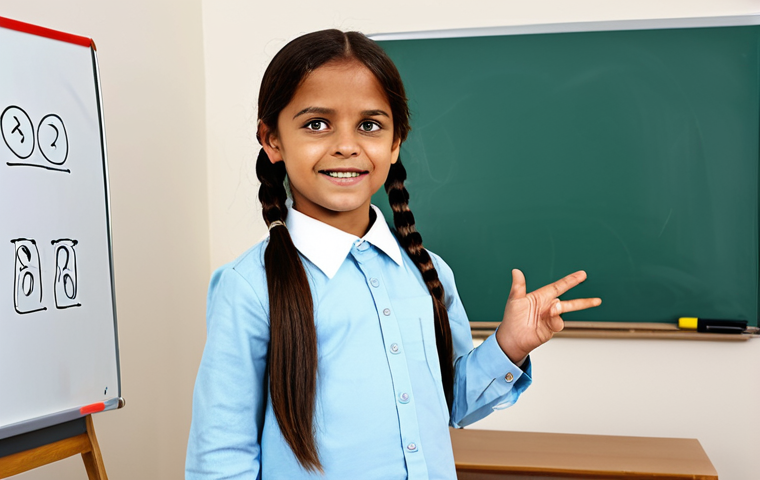
Ever found yourself haggling with your preschooler over broccoli florets like you’re closing a multi-million dollar deal? You’re not alone! The seeds of negotiation are sown early, often disguised as adorable (or not-so-adorable) demands.
Instead of stifling these mini-moguls, let’s channel that energy into positive negotiation skills. Think of it as equipping them with a superpower for life!
It’s about understanding their perspective, while also helping them grasp yours, and ultimately finding a solution where everyone feels like they’ve won something.
It’s like teaching them to navigate the complexities of the real world, one negotiation at a time. Plus, turning these everyday interactions into learning opportunities is not just good for your sanity, it’s an investment in their future.
For example, my niece, Sarah, used to throw epic tantrums if she didn’t get the pink cup. Now, we talk about why she wants the pink cup and if there’s another cup that might work just as well.
Sometimes, it’s the principle, not the cup!
Understanding the Art of the Deal (for Kids)
* Active Listening is Key: Before diving into a negotiation, really listen to what your child is saying (or trying to say!). Are they upset about sharing toys or staying up past bedtime?
Understanding the root cause of their “demands” is half the battle. * Empathy, Empathy, Empathy: Putting yourself in their tiny shoes goes a long way.
Acknowledge their feelings – “I understand you’re disappointed you can’t have another cookie.” Validating their emotions makes them more receptive to compromise.
Setting the Stage for Success
It’s not about giving in to every whim, but creating an environment where respectful communication is valued. This is about teaching them boundaries and how to navigate them, not about turning them into pint-sized dictators.
For example, having consistent rules about screen time is a good start. When your child approaches you to extend it, it’s an opportunity to negotiate within those boundaries.
“Okay, you can have 15 more minutes if you finish your homework first.” This way, they learn that negotiation isn’t just about asking for something, but about offering something in return.
Or if they are whining about wanting a new toy, you can respond to them like “I hear you. But Christmas and your birthday are the times we get gifts. It’s not a ‘no’, it’s a ‘not right now’.”
Role-Playing Reality: Practice Makes Perfect
Kids learn by doing, and negotiation is no different. Turn everyday scenarios into opportunities for role-playing. Want an extra bedtime story?
Let them “pitch” you why they deserve it. The key is to make it fun and engaging, not a lecture.
The Power of “What If?”
* Presenting Alternatives: Instead of a flat “no,” offer choices. “You can’t have candy before dinner, but you *can* choose between an apple or a banana.”
* Turn-Taking Tactics: Teach them the concept of compromise.
“I’ll read you this book, and then you pick the next one.” Sharing is caring, and negotiating!
Learning From the Masters (That’s You!)
Kids are sponges, so be mindful of your own negotiation tactics. If you’re constantly bulldozing your way through disagreements, they’ll pick up on that.
Model respectful communication, active listening, and a willingness to compromise. Also, being clear about your boundaries is key. It’s okay to say ‘No’ without explanation.
It sets a clear limit and shows your child that negotiation is not about wearing you down.
From the Playground to the Boardroom: Real-World Application
The skills they learn negotiating over toys and bedtime extend far beyond childhood. The ability to articulate their needs, understand different perspectives, and find mutually beneficial solutions will serve them well in school, friendships, and eventually, their careers.
It’s really about teaching them that negotiation is not a battle, but a collaborative problem-solving process. When my little nephew had a problem at school with another child stealing his lunch, he negotiated with his teacher to have separate lunch spots.
And it was a big success!
Building Confidence Through Communication
* Expressing Needs Clearly: Encourage them to use “I” statements. “I feel sad when you take my toy without asking.”
* Finding Common Ground: Help them identify shared goals.
“We both want to play with the blocks, so how can we share?”
Negotiating at Different Ages
| Age Group | Negotiation Style | Tips for Parents |
|—|—|—|
| Toddlers (2-3) | Simple demands, limited understanding of compromise | Offer choices, use visual aids, keep it short and sweet |
| Preschoolers (4-5) | More complex reasoning, beginning to understand fairness | Explain your reasoning, role-play scenarios, encourage empathy |
| School-Aged Children (6+) | Developing negotiation skills, capable of more sophisticated arguments | Involve them in family decisions, teach problem-solving strategies, encourage independent thinking |
The Art of Letting Go (Sometimes)
Negotiation isn’t about winning every time. Sometimes, the most valuable lesson is learning when to concede gracefully. It’s about teaching them resilience, and the importance of relationships over immediate gratification.
Plus, there are times you really need to consider if the negotiation is worth the effort. For instance, negotiating with a tired toddler over putting on shoes before a long journey may be fruitless.
So it’s often best to pick your battles and reserve negotiation for more important things. I remember one time I was so fixed on getting my daughter to eat her peas, it ended up in both of us crying.
Sometimes you just have to accept that peas are not on the menu that day.
Recognizing a No-Win Situation
* Knowing When to Walk Away: Teach them that sometimes, the best outcome is to disengage from a conflict. * Focusing on the Bigger Picture: Help them understand that relationships are more important than winning every argument.
Celebrating Small Victories
Acknowledge and praise their efforts, even if they don’t get everything they want. “I’m proud of you for trying to find a solution, even though it didn’t work out this time.” This reinforces positive negotiation skills and encourages them to keep practicing.
Fostering Fairness: Creating a Level Playing Field
Ensure that every family member has an equal opportunity to voice their needs and opinions. This involves not only hearing each other out but also valuing each person’s perspective equally.
This teaches children that their voice matters and that compromise is a shared responsibility. By creating an environment where fairness is prioritized, you’re preparing them for healthy relationships and effective teamwork in the future.
For instance, when planning a family vacation, involve everyone in the decision-making process. Allow each person to suggest activities or destinations and then work together to find a plan that incorporates everyone’s preferences.
This not only makes the planning process more inclusive but also teaches children how to negotiate their desires within a group setting.
Teaching Compromise Through Communication
* Open Dialogue: Facilitate regular family discussions where everyone can express their thoughts and feelings. * Equal Opportunity: Make sure everyone has a chance to speak without interruption and that their opinions are taken seriously.
Leading by Example
Children often mirror the behavior they see at home. By demonstrating fairness and respect in your own interactions, you’re setting a strong example for them to follow.
This includes treating all family members equitably and showing a willingness to compromise in your own disagreements. Remember, your actions speak louder than words, so strive to embody the values you wish to instill in your children.
For example, if you and your partner disagree on how to handle a particular issue, show your children how you work together to find a resolution that satisfies both of you.
This could involve active listening, empathy, and a willingness to meet each other halfway.
Cultivating Confidence: Empowering Independent Thinkers
One of the most valuable aspects of teaching negotiation is fostering confidence in children. By giving them the tools to articulate their needs and desires, you’re helping them develop a sense of self-assurance and independence.
This confidence extends beyond just negotiation; it permeates all areas of their lives, from school to friendships to future careers. Confident children are more likely to take risks, pursue their passions, and stand up for what they believe in.
They’re also better equipped to handle challenges and setbacks, as they have a strong sense of self-worth and resilience. Encourage your child to express their opinions, even if they differ from your own.
Support their efforts to assert themselves respectfully and constructively, and celebrate their ability to navigate social situations with grace and poise.
Nurturing Self-Assurance Through Action
* Supporting Their Choices: Allow them to make age-appropriate decisions and support them in the outcomes, even if they aren’t always successful. * Positive Reinforcement: Praise their efforts and celebrate their accomplishments, no matter how small.
Building Resilience Through Experiences
Teach them that setbacks are a normal part of life and that it’s okay to make mistakes. Encourage them to learn from their experiences and to use challenges as opportunities for growth.
By building resilience, you’re helping them develop the emotional fortitude to navigate the ups and downs of life with grace and confidence. Share stories of your own challenges and how you overcame them.
Show them that perseverance and a positive attitude can help them achieve their goals.
In Conclusion
So, as you navigate the delightful chaos of raising little humans, remember that every power struggle is a chance to teach valuable negotiation skills. It’s not about winning; it’s about building communication, empathy, and confidence. Start small, stay patient, and watch as your toddlers transform into tiny titans of tact!
The insights and techniques we’ve discussed today are not just parenting tips; they’re life skills that can empower your child to navigate their world with confidence and fairness. Embrace the journey of teaching negotiation, and you’ll be amazed at the growth and resilience you see in your little ones.
Good to Know
Here are some additional tips to help foster healthy negotiation skills in your children:
1. Model respectful communication by demonstrating active listening and compromise in your own interactions.
2. Encourage children to express their feelings and needs using “I” statements, such as “I feel frustrated when…”
3. Provide opportunities for children to practice negotiation skills through role-playing scenarios at home.
4. Teach children the importance of empathy by encouraging them to consider the perspectives and feelings of others.
5. Celebrate small victories and recognize children’s efforts to find mutually beneficial solutions to conflicts.
Key Takeaways
Negotiation skills are valuable life tools that can be taught from a young age by:
Practicing active listening and empathy in every interaction.
Offering choices and alternatives to avoid simple “no” answers.
Creating a fair environment where everyone’s opinion is valued.
Allowing children to make age-appropriate decisions to boost confidence.
Remember, it’s not about winning every argument, but teaching valuable life skills for future success!
Frequently Asked Questions (FAQ) 📖
Q: My kid always throws a fit when I say “no” to a new toy. Is this normal negotiating behavior, or am I just raising a tiny tyrant?
A: Oh, honey, been there! It’s totally normal. Think of it as your little one testing the waters, figuring out how far they can push and what strategies might work.
I remember when my son, Liam, was obsessed with a particular superhero action figure. Every trip to Target ended in tears. I started using it as a chance to teach him about delayed gratification.
“If you help with chores all week, we can talk about it next Saturday.” It didn’t always work perfectly, but it slowly taught him that he couldn’t always get what he wanted right now, and that there were ways to work towards a goal.
Q: Okay, that makes sense. But how do I teach negotiation skills without just giving in to every demand? I don’t want to spoil them rotten!
A: Absolutely! The key is finding that balance. It’s not about caving, it’s about finding win-win situations.
Instead of a flat “no,” try offering alternatives. For example, “You can’t have that huge candy bar right before dinner, but you can choose between an apple and a few small cookies.” You’re still setting boundaries, but you’re also giving them a sense of agency and the opportunity to make a choice.
Another trick I learned from a parenting book was to create a “trade-off” system. My daughter wanted to stay up late to watch a movie. Instead of simply saying “no,” I proposed, “If you finish your homework and clean your room without complaining, you can stay up an extra half hour.”
Q: This sounds helpful. What are some long-term benefits of teaching kids these skills early on?
A: The payoffs are huge, trust me. Besides preventing constant meltdowns in the short term, you’re setting them up for success in so many areas of life. Kids who learn to negotiate effectively are better problem-solvers, more confident communicators, and better at handling conflict.
Think about it – knowing how to advocate for themselves, compromise, and understand different perspectives will be invaluable in school, friendships, future careers, and even romantic relationships.
It’s like giving them a superpower! Plus, the earlier they learn these skills, the more naturally they’ll come to them.
📚 References
Wikipedia Encyclopedia