In today’s fast-paced world, helping toddlers develop self-regulation skills has become more important than ever. Parents often face challenges as their little ones navigate big emotions and impulses, making practical strategies a must-have in every household.
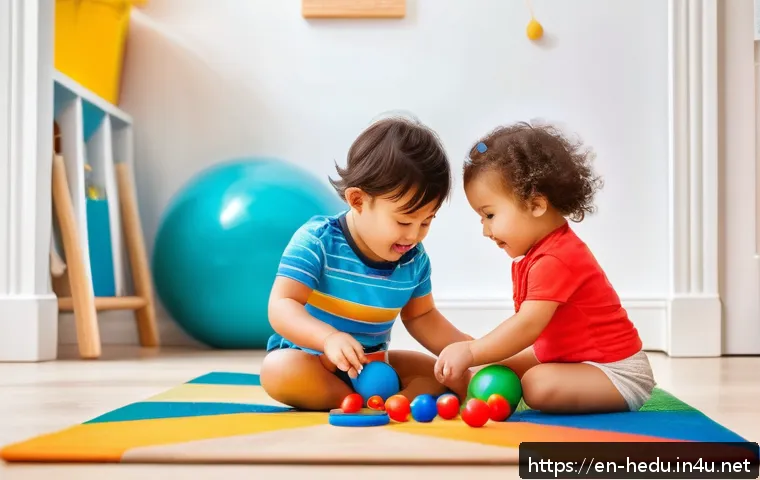
With new research highlighting how early self-control impacts lifelong success, understanding these skills can transform daily routines and reduce stress for both kids and parents.
Whether you’re dealing with tantrums or trying to foster patience, this guide offers actionable tips you can start using right away. Stick around to discover simple, effective ways to boost your toddler’s emotional growth while creating a calmer, happier home environment.
Creating a Calm and Predictable Environment
Establishing Consistent Routines
Toddlers thrive when they know what to expect. Setting up daily routines for meals, naps, playtime, and bedtime helps reduce anxiety and frustration. When kids can anticipate what comes next, they’re less likely to act out or feel overwhelmed.
For example, having a consistent morning routine that includes brushing teeth, getting dressed, and a small breakfast before heading out sets a positive tone.
I’ve noticed that my little one calms down faster when the day follows a familiar pattern, even on hectic mornings. Consistency doesn’t mean rigidity; leaving small spaces for flexibility lets toddlers feel some control while keeping stress low.
Creating Soothing Spaces
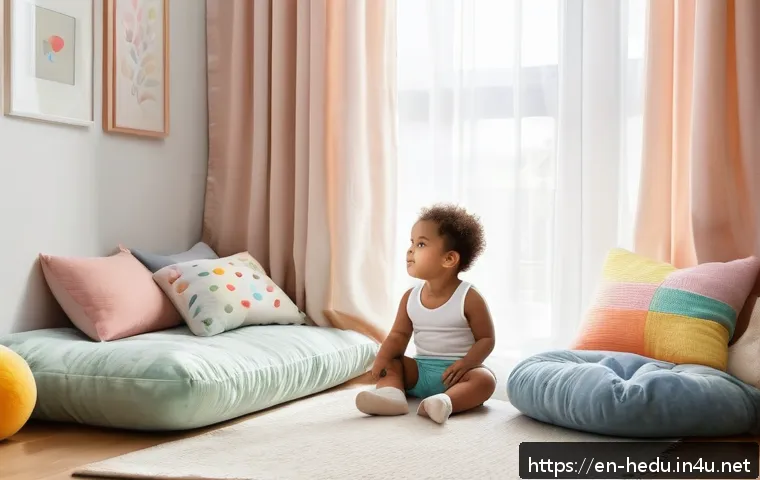
A designated calm-down corner or cozy nook filled with soft pillows, favorite books, and sensory toys can be a lifesaver during emotional meltdowns. This space isn’t a timeout zone but rather a supportive area where toddlers can self-soothe.
I often guide my child there when I see signs of overwhelm, encouraging deep breaths or quiet play. Over time, toddlers learn to associate this spot with relaxation, which helps them manage big feelings independently.
Making this area inviting and accessible is key—bright lights or loud noises defeat the purpose, so keep it peaceful and child-friendly.
Using Visual Cues and Timers
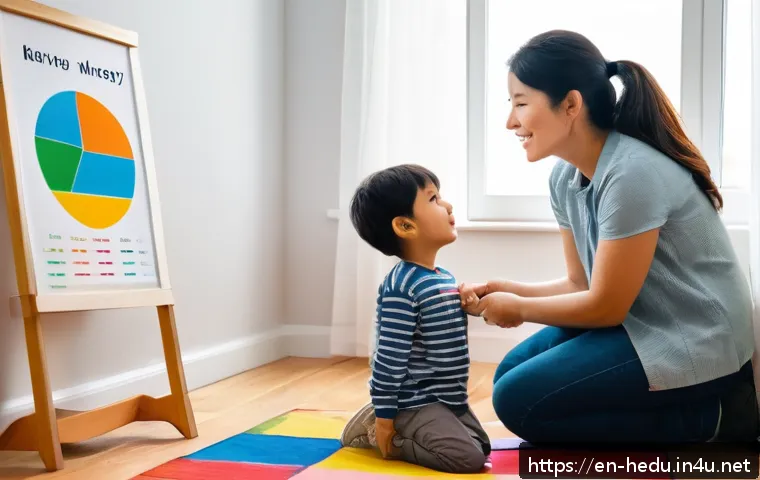
Visual schedules and timers are powerful tools for helping toddlers understand limits and transitions. Picture charts showing the order of activities or a timer counting down until playtime ends give toddlers a concrete sense of time passing.
This reduces the frustration of abrupt changes and helps build patience. From my experience, using a sand timer during screen time or snack breaks makes transitions smoother.
Toddlers begin to anticipate the end of an activity, which lessens resistance and tantrums. Plus, it teaches them early time management skills in a fun, tangible way.
Teaching Emotional Awareness and Expression
Labeling Feelings Together
Toddlers are just starting to understand their emotions, so helping them put words to feelings is crucial. When your child is upset, calmly naming their emotion—like “I see you’re feeling angry” or “It looks like you’re sad”—validates their experience and gives them language to express themselves.
I remember when my toddler threw a fit over sharing toys; simply saying, “It’s hard to share when you want to play alone” helped him calm down faster because he felt understood.
This practice also builds empathy and communication skills over time.
Modeling Calm Behavior
Young children learn a lot by watching adults. Showing how you handle frustration or disappointment with calm words and deep breaths teaches toddlers to imitate those responses.
I’ve caught myself taking a moment to breathe deeply before reacting to a stressful situation, and my toddler often mirrors that behavior. When parents stay composed, it creates a safe emotional climate where toddlers feel more secure exploring their feelings without fear of negative reactions.
Encouraging Problem-Solving Skills
Helping toddlers find solutions to conflicts or challenges empowers them and reduces emotional outbursts. Instead of immediately stepping in, asking questions like “What do you think we can do?” or “How can we fix this?” invites toddlers to think critically and feel capable.
I started using this approach during playdates, and it’s amazing to see toddlers negotiate sharing or turn-taking with a little guidance. These small wins boost confidence and strengthen self-regulation naturally.
Building Patience Through Play and Interaction
Engaging in Turn-Taking Games
Games that require waiting for one’s turn, like simple board games or ball passing, teach toddlers patience and impulse control. I noticed that when my child played “Simon Says” or “Red Light, Green Light,” he became more aware of following rules and waiting calmly.
These activities also improve attention span and social skills. Incorporating them regularly into playtime sets a fun context for practicing patience without pressure.
Using Storytelling to Illustrate Patience
Children’s books with characters facing challenges and learning to wait can make abstract concepts more relatable. Stories about sharing, waiting for a treat, or calming down after anger provide examples toddlers can imitate.
I often read books like “Waiting Is Not Easy!” aloud and discuss the characters’ feelings afterward. This not only entertains but reinforces patience as a positive and achievable behavior.
Practicing Mindful Breathing Together
Introducing simple breathing exercises helps toddlers regulate emotions and build patience. Taking slow, deep breaths together during moments of frustration teaches them to pause before reacting.
I use fun phrases like “blow up the balloon” to make breathing exercises playful and engaging. Over time, this practice becomes a go-to tool when emotions run high, reducing tantrums and increasing calmness.
Positive Reinforcement and Encouragement
Praising Efforts Over Outcomes
Recognizing toddlers’ attempts to control impulses or express feelings encourages them to keep trying, even if they don’t always succeed. Saying things like “I’m proud of you for using your words” or “You waited so patiently” builds motivation and self-esteem.
I’ve found that focusing on effort rather than perfection helps my child feel supported and less pressured, which promotes lasting self-regulation.
Using Reward Systems Wisely
Simple reward charts or sticker systems can motivate toddlers to practice self-control, but balance is key. Rewards should celebrate positive behaviors without creating dependency on external incentives.
For example, I use a sticker chart for bedtime routines, which boosts cooperation. However, I make sure to phase out tangible rewards gradually, shifting toward natural praise and intrinsic satisfaction.
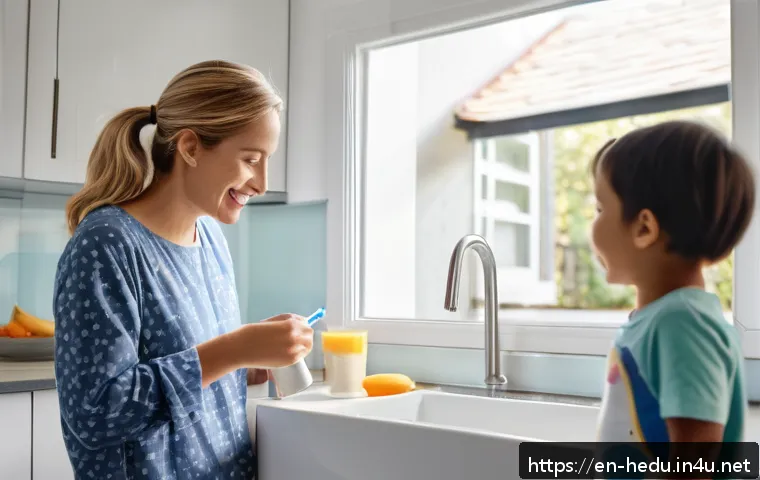
Encouraging Autonomy in Choices
Giving toddlers small choices, like picking between two snacks or selecting their outfit, fosters a sense of control and responsibility. This autonomy supports self-regulation by reducing power struggles and encouraging thoughtful decision-making.
I noticed that offering choices during daily tasks reduces resistance and increases cooperation. It’s a simple but effective way to nurture independence alongside emotional growth.
Understanding and Managing Triggers
Identifying Common Stressors
Recognizing what typically triggers your toddler’s outbursts—whether it’s hunger, tiredness, or overstimulation—allows you to intervene before emotions escalate.
Keeping a journal or mental notes helps spot patterns. For instance, I realized my child’s tantrums often happened late afternoon when energy dips and hunger peaks.
Addressing these needs proactively by offering snacks or quiet time can prevent many struggles.
Adapting Activities to Avoid Overwhelm
Sometimes toddlers get overwhelmed by too much noise, bright lights, or busy environments. Adjusting playtime or outings to match your child’s tolerance level can ease stress.
I’ve learned to plan shorter trips or choose quieter parks when my toddler feels easily overstimulated. Providing breaks and observing signs of overload helps maintain emotional balance.
Preparing for Transitions
Transitions between activities or places are often challenging for toddlers. Giving advance warnings like “In five minutes, we’re going to clean up” or “After this story, it’s time for lunch” helps them prepare mentally.
I use a gentle countdown and sometimes a favorite song to signal change. These cues reduce resistance and make moving between tasks smoother for everyone.
Practical Tools and Techniques for Daily Life
Using Visual Timers and Choice Boards
Visual aids like timers and choice boards help toddlers understand expectations and feel involved. Timers show how long an activity lasts, while choice boards allow kids to select preferred tasks, reducing frustration.
I’ve found that combining these tools keeps my toddler engaged and less likely to test limits. They’re especially handy during transitions and when introducing new routines.
Incorporating Movement and Sensory Breaks
Active play and sensory activities regulate energy and emotions, improving focus and calmness. Short movement breaks, like jumping jacks or dancing, help toddlers release tension and reset.
Sensory toys or textured objects also provide comfort. I often schedule these breaks between structured activities, which keeps my child balanced and ready to self-regulate.
Communicating with Caregivers and Educators
Consistent messages across home and childcare settings strengthen self-regulation skills. Sharing strategies and progress with teachers or babysitters ensures everyone supports your toddler’s emotional growth.
I keep a simple notes log to update caregivers on what works best and any challenges. This teamwork builds a stable environment that reinforces positive behaviors.
| Strategy | Purpose | How to Implement | Benefits |
|---|---|---|---|
| Consistent Routines | Reduce anxiety and build predictability | Set regular meal, nap, and bedtime schedules | Calmer toddlers, fewer tantrums |
| Calm-Down Space | Provide a safe area for self-soothing | Create a cozy nook with soft pillows and toys | Encourages independent emotional regulation |
| Labeling Emotions | Build emotional vocabulary and awareness | Name feelings during emotional moments | Improved communication and empathy |
| Turn-Taking Games | Develop patience and impulse control | Play simple games requiring waiting | Better social skills, longer attention span |
| Visual Timers | Help toddlers understand time limits | Use sand timers or digital countdowns | Smoother transitions, less resistance |
| Positive Reinforcement | Motivate continued self-regulation efforts | Praise efforts and use sticker charts | Higher self-esteem, consistent behavior |
| Managing Triggers | Prevent emotional overwhelm | Identify stressors and adjust environment | Fewer tantrums, more balanced moods |
In Conclusion
Creating a calm and predictable environment for toddlers is essential for their emotional growth and self-regulation. By establishing routines, providing soothing spaces, and teaching emotional awareness, we help children navigate their feelings with confidence. These strategies foster patience, independence, and positive behavior, setting a strong foundation for lifelong skills. Remember, small, consistent efforts make a big difference in supporting your toddler’s development.
Helpful Information to Keep in Mind
1. Consistency is key—regular routines help toddlers feel safe and reduce anxiety.
2. Designate a cozy calm-down area that encourages self-soothing without feeling punitive.
3. Use visual tools like timers and choice boards to support understanding and transitions.
4. Encourage emotional expression by labeling feelings and modeling calm responses.
5. Collaborate with caregivers and educators to maintain a unified approach for your child’s emotional growth.
Key Takeaways
Supporting toddlers’ self-regulation involves creating predictable environments, teaching emotional skills, and encouraging patience through play. Positive reinforcement and autonomy empower children to manage their emotions effectively. Recognizing triggers and adapting routines prevents overwhelm, while practical tools enhance daily interactions. Consistent, compassionate guidance builds a secure foundation for healthy emotional development and lasting behavioral success.
Frequently Asked Questions (FAQ) 📖
Q: uestions about Toddler Self-RegulationQ1: What are some practical ways to help my toddler develop self-regulation skills at home?
A: One of the most effective strategies is creating consistent routines that your toddler can predict and rely on. For example, setting regular times for meals, naps, and play helps them feel secure and understand expectations.
When emotions run high, guiding your child to take deep breaths or count to three can redirect impulses gently. Using simple language to label feelings like “I see you’re upset” validates their emotions and teaches emotional awareness.
Also, offering choices—such as picking between two snacks—builds decision-making and a sense of control, which supports self-regulation over time.
Q: How can I handle toddler tantrums without making the situation worse?
A: When tantrums occur, staying calm yourself is key. Your steady presence reassures your toddler that they are safe, even in moments of big emotions. Try to acknowledge their feelings without giving in to unreasonable demands—phrases like “I know you’re frustrated because you want the toy, but we have to share” show empathy while setting limits.
Distraction can work wonders too; redirecting attention to a favorite book or activity often diffuses tension. Remember, tantrums are a normal part of development, so patience and consistency are your best tools.
Q: Why is early self-regulation important for my child’s future success?
A: Research shows that toddlers who learn to manage their impulses and emotions tend to do better academically, socially, and emotionally later in life. These skills help children focus, solve problems, and build positive relationships.
Developing self-regulation early can reduce stress for both kids and parents, making daily life smoother and more enjoyable. When toddlers practice patience and emotional control, they also gain confidence and resilience, setting a strong foundation for facing challenges as they grow.