
In today’s fast-paced world, finding meaningful ways to connect with our children has become more important than ever. Emotional well-being is at the forefront of parenting conversations, especially as families navigate challenges together.
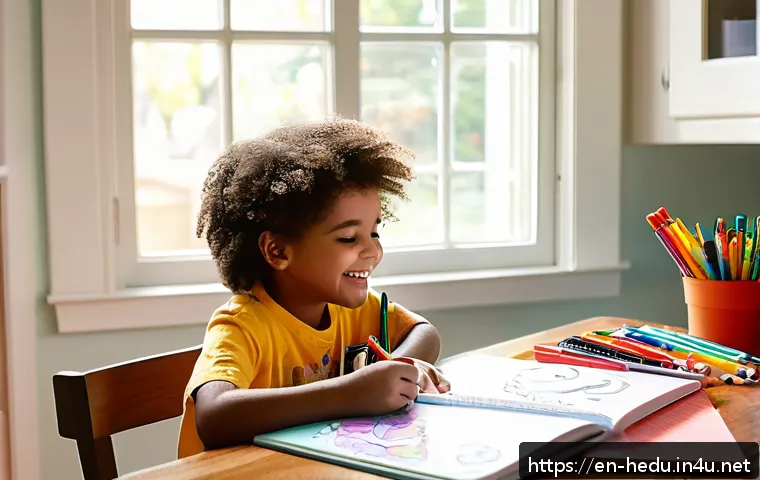
One simple yet powerful practice gaining attention is writing daily feelings with your child—a shared ritual that nurtures emotional growth and strengthens bonds.
If you’ve ever wondered how to encourage open communication and build resilience in your little ones, this guide offers practical insights and heartfelt experiences.
Let’s explore how putting pen to paper can unlock new levels of understanding and empathy in your family life.
Creating a Safe Space for Honest Expression
Establishing Trust Through Consistency
One of the most important aspects of writing feelings with your child is building a dependable routine. Kids thrive on predictability, especially when it comes to sharing their emotions.
By setting aside a specific time each day to sit down together and write, you’re sending a clear message that their thoughts and feelings matter. I noticed that when my child knew this was a non-negotiable part of our day, they gradually felt more comfortable opening up about things they might otherwise keep bottled up.
The key is to keep it low-pressure—no judgment or interruptions—just a steady, loving presence that encourages honesty.
Encouraging Vulnerability Without Fear
It’s natural for kids to be hesitant about revealing their true feelings, especially if they fear being misunderstood or dismissed. Writing, however, offers a gentle way to bypass those barriers.
I’ve seen firsthand how putting emotions into words on paper can help children process complicated experiences in a way that talking sometimes can’t. When you model vulnerability by sharing your own feelings in the journal, it normalizes the experience and reassures them that it’s okay to be imperfect or upset.
This practice nurtures empathy and emotional intelligence, laying a foundation for healthier communication as they grow.
Creating an Emotional Vocabulary
Many children struggle to name exactly what they’re feeling, which can lead to frustration or acting out. Through daily journaling, you can introduce new words and concepts that help your child articulate emotions more clearly.
In my experience, using prompts like “Today, I felt…” or “Something that made me happy/sad was…” guides them gently without overwhelming them. Over time, this builds a richer emotional vocabulary that empowers kids to express themselves with confidence and precision, reducing misunderstandings and strengthening relationships.
Turning Journaling Into a Shared Adventure
Making It Fun and Engaging
If journaling feels like a chore, kids will quickly lose interest. That’s why I always try to incorporate playful elements—stickers, colorful pens, or drawing alongside writing—to keep the experience lighthearted and enjoyable.
You can even create themed journals for different moods or seasons, turning the activity into a creative project rather than a task. When kids look forward to the process, it becomes a natural part of their day, and the emotional benefits come effortlessly.
Celebrating Small Wins Together
Acknowledging your child’s efforts to express themselves is crucial. Whether they’ve written a single sentence or a whole page, celebrating these moments reinforces the value of the practice.
I make a point to highlight specific things they shared, showing genuine interest and curiosity. This not only boosts their confidence but also strengthens your emotional connection.
Over time, these positive reinforcements encourage deeper sharing and mutual understanding.
Using Journals to Spark Meaningful Conversations
The journal entries can be a great springboard for discussions that might otherwise never happen. I found that revisiting certain pages together allows us to explore feelings in a safe, structured way.
Sometimes, a simple question like “What made you feel that way?” opens up heartfelt dialogue. This kind of interaction helps children feel heard and validated, which is fundamental for emotional resilience.
Helping Children Build Emotional Resilience
Recognizing and Naming Emotions
Developing emotional resilience starts with awareness. Journaling daily gives children a chance to observe patterns in their feelings and reactions. I noticed that my child became better at spotting triggers and managing stress once they could clearly identify their emotions on paper.
This self-awareness is a powerful tool for navigating challenges with greater ease.
Teaching Coping Strategies Through Reflection
Writing about difficult moments also creates opportunities to brainstorm coping mechanisms. Together, we’ve used journaling time to reflect on what helped soothe anxiety or frustration.
For instance, after writing about a tough day at school, we’d discuss breathing exercises or positive affirmations. This practical approach transforms journaling from passive reflection into active problem-solving.
Tracking Emotional Growth Over Time
One of the most rewarding aspects is seeing how journal entries evolve. Over months, you can look back and witness your child’s journey toward emotional maturity.
I keep a folder with all our journals and occasionally review them together, celebrating progress and resilience. This tangible evidence of growth motivates kids to keep investing in their emotional health.
Incorporating Technology Without Losing Connection
Balancing Digital and Analog Journaling
While traditional pen-and-paper journaling has its charm, digital tools can also enhance the experience. Apps designed for kids’ emotional journaling offer prompts, stickers, and audio recording features that appeal to tech-savvy children.
However, I’ve found it’s important not to let screens replace face-to-face sharing. Combining both methods—like writing digitally but reviewing entries together—can balance convenience with connection.
Using Multimedia to Express Complex Feelings
Sometimes words alone don’t capture the full emotional picture. Encouraging kids to add drawings, photos, or voice notes to their journals can provide richer expression.
I once let my child record a short voice message about a joyful day, which we played back during a quiet moment. This multisensory approach deepens the emotional impact and keeps journaling fresh and engaging.
Setting Boundaries Around Privacy and Sharing
Digital journaling raises important questions about privacy. It’s essential to establish clear guidelines about who can access the journal and when. I always remind my child that the journal is a safe space for their feelings and that sharing is voluntary.
Respecting their boundaries fosters trust and encourages honest self-expression.
Understanding the Emotional Benefits for Parents

Reflecting on Your Own Feelings
Writing alongside your child isn’t just beneficial for them—it’s a mirror for your own emotional state as well. I found that journaling helped me process stress and recognize patterns in my reactions as a parent.
This self-awareness made me more patient and empathetic, which in turn improved our relationship.
Strengthening the Parent-Child Bond
The shared ritual of journaling creates a unique intimacy. When you both commit to this daily practice, it sends a powerful message of unconditional support.
Over time, these moments of connection become treasured memories that reinforce your bond beyond just the act of writing.
Modeling Emotional Intelligence
Children learn a great deal by observing. By openly expressing your own feelings and struggles in the journal, you demonstrate healthy emotional habits.
This modeling teaches kids that it’s okay to be vulnerable and that emotions are a natural part of life, which is invaluable for their development.
Practical Tips for Getting Started and Staying Consistent
Choosing the Right Time and Place
Finding a calm, distraction-free environment sets the stage for meaningful journaling. For us, it was often right before bedtime when the day’s events were still fresh but the mood was relaxed.
Consistency in timing helps signal to your child that this is a special, dedicated moment.
Keeping Prompts Simple and Open-Ended
Sometimes kids freeze up when asked to write about their feelings. I learned that using gentle prompts like “What made you smile today?” or “Is there something you want to remember?” opens the door without pressure.
The goal is to spark reflection, not to produce perfect writing.
Being Patient and Flexible
Some days, your child might not feel like writing, and that’s perfectly okay. I try to honor those moments by suggesting alternative activities like drawing or talking instead.
The important thing is to maintain a supportive attitude without forcing participation, which keeps the practice positive and sustainable.
| Common Challenges | Effective Solutions |
|---|---|
| Child reluctant to share feelings | Model vulnerability by sharing your own emotions; use playful prompts |
| Inconsistent journaling routine | Set a fixed time daily; make it a fun, anticipated activity |
| Difficulties naming emotions | Introduce emotion words gradually; use visual aids like charts or stickers |
| Privacy concerns with digital journals | Establish clear sharing boundaries; prioritize face-to-face review sessions |
| Journaling feels like a chore | Incorporate art, stickers, or themes to make it enjoyable |
Adapting the Practice for Different Ages and Personalities
Tailoring Prompts for Younger Children
For little ones just starting to express emotions, simple prompts and drawings work best. I often encourage my younger child to draw a picture of how they feel and then describe it verbally.
This approach respects their developmental stage and gently introduces emotional literacy without overwhelming them.
Encouraging Teens to Take Ownership
With older kids, the approach needs to be more flexible and respectful of their growing independence. I found it helpful to offer the journal as a private space, emphasizing that sharing is optional.
Sometimes, simply knowing there’s a safe outlet available reduces stress and encourages occasional reflection.
Respecting Different Communication Styles
Not every child is naturally verbal or reflective, and that’s okay. Some may prefer bullet points, lists, or even comics. I try to honor these preferences by adapting the journaling format, which keeps the practice relevant and meaningful for each child’s unique way of processing emotions.
Closing Thoughts
Creating a safe and consistent space for children to express their emotions through journaling can profoundly impact their emotional growth and your relationship. By making the process enjoyable and supportive, you nurture their confidence and resilience. Remember, patience and flexibility are key to maintaining this meaningful habit over time.
Helpful Information to Keep in Mind
1. Consistency in timing helps children feel secure and ready to share their feelings each day.
2. Using simple, open-ended prompts encourages reflection without pressure or stress.
3. Incorporating creative elements like drawings or stickers keeps journaling fun and engaging.
4. Respecting privacy and setting clear boundaries builds trust, especially with digital journals.
5. Tailoring the approach to your child’s age and personality makes journaling more effective and enjoyable.
Key Takeaways
Establishing a regular, low-pressure journaling routine fosters trust and emotional honesty. Encouraging vulnerability by modeling your own feelings helps normalize emotional expression. Using varied formats and prompts accommodates different communication styles and developmental stages. Balancing digital tools with face-to-face connection maintains intimacy and security. Most importantly, celebrating progress and staying patient ensures journaling remains a positive, growth-focused experience for both child and parent.
Frequently Asked Questions (FAQ) 📖
Q: uestionsQ1: How can writing daily feelings with my child improve our emotional connection?
A: Writing daily feelings together creates a safe space where your child feels heard and understood. From my experience, this shared ritual encourages honesty and vulnerability, allowing both of you to express emotions that might be hard to say aloud.
Over time, it builds trust and deepens your bond, making it easier to navigate tough conversations and support each other emotionally.
Q: What if my child struggles to put their feelings into words?
A: It’s completely normal for kids to find it challenging to articulate emotions at first. I’ve found that using prompts like “Today I felt…” or drawing pictures alongside writing can help ease this process.
Patience is key—celebrate small efforts and avoid pressuring them. Gradually, they’ll become more comfortable, and you’ll notice their emotional vocabulary expanding naturally.
Q: How much time should we spend on this daily writing practice?
A: Even just 5 to 10 minutes a day can make a meaningful difference. In my routine, short and consistent sessions work best because they fit easily into busy schedules and keep the practice enjoyable rather than a chore.
The goal isn’t length but creating a steady habit that reinforces emotional awareness and communication over time.