In today’s fast-paced world, helping children navigate their emotions has become more crucial than ever. With rising awareness about mental health, parents are seeking effective ways to support their kids’ emotional growth.

Understanding and mastering emotional regulation can transform daily challenges into opportunities for connection and learning. From tantrums to anxiety, knowing practical strategies equips parents to foster resilience and calm.
Join me as we explore simple yet powerful techniques that truly make a difference in your child’s emotional journey.
Building a Safe Emotional Space at Home
Recognizing and Validating Feelings
One of the most impactful ways to support a child’s emotional development is by recognizing their feelings and validating them. Instead of dismissing a child’s upset as “just a tantrum,” acknowledging what they’re experiencing lets them know their emotions are real and worthy of attention.
For instance, saying “I see you’re really frustrated right now” not only calms the situation but teaches them to identify their own emotions. Over time, this practice encourages kids to express themselves openly without fear of judgment, which is a cornerstone for healthy emotional regulation.
Creating Consistent Routines to Foster Stability
Kids thrive on predictability, especially when it comes to managing emotions. Establishing consistent daily routines provides a sense of security that reduces anxiety and emotional outbursts.
When children know what to expect—bedtime, mealtime, playtime—they feel more in control of their world. In my experience, even small adjustments like a calming bedtime ritual or a predictable after-school snack time can noticeably improve a child’s mood and cooperation.
This steady rhythm acts as an emotional anchor amid the chaos of daily life.
Encouraging Open Communication Through Play
Play is a natural language for children, and it can be a powerful tool for emotional expression. Encouraging your child to use toys, art, or storytelling to share feelings can reveal what they might struggle to verbalize.
I remember a time when my niece used her drawings to communicate her worries about starting school. By engaging with her play, I was able to better understand her fears and offer reassurance.
This method not only strengthens your connection but also teaches children that emotions can be explored safely and creatively.
Practical Techniques to Manage Overwhelming Emotions
Breathing Exercises That Really Work
Teaching children simple breathing techniques can be a game changer when emotions run high. Deep, slow breaths help regulate the nervous system, calming both body and mind.
I’ve found that turning breathing into a fun activity—like “blowing up a balloon” or “smelling a flower, then blowing out a candle”—makes it easier for kids to remember and use these strategies independently.
The key is consistent practice during calm moments so they can access these tools when they’re upset.
Using Physical Movement to Release Tension
Sometimes, emotions can feel trapped in the body, especially for energetic kids. Encouraging physical activity like jumping jacks, running around the yard, or even simple stretching can help children release built-up tension.
From my own parenting journey, I noticed that when my son was upset, a quick burst of movement helped him reset faster than sitting still and trying to talk it out immediately.
Movement acts as a natural outlet, allowing children to regain composure before addressing the underlying feelings.
Introducing Mindfulness Through Simple Practices
Mindfulness isn’t just for adults; it can be adapted for children to enhance emotional awareness. Basic mindfulness exercises like focusing on sounds, noticing sensations, or paying attention to the breath can ground kids in the present moment.
When I introduced my daughter to a “mindful listening” game where she tried to identify different sounds in the room, it became a fun way to practice calm focus.
These small moments build their emotional toolkit for handling stress and anxiety.
Guiding Through Emotional Challenges Without Overwhelm
Setting Realistic Expectations and Boundaries
It’s essential to balance empathy with clear boundaries. Kids need to know which behaviors are acceptable while feeling supported in their emotional experiences.
For example, you might say, “It’s okay to feel angry, but it’s not okay to hit.” This distinction helps children understand that emotions themselves aren’t bad, but actions have consequences.
In my experience, consistent and compassionate boundary-setting reduces power struggles and teaches self-control.
Modeling Emotional Regulation as a Parent
Children learn a great deal by watching adults. Demonstrating how you manage your own emotions—whether it’s frustration, disappointment, or excitement—provides a live example for them to emulate.
I’ve often found that sharing my feelings aloud and describing how I calm down, like saying, “I’m feeling a bit stressed, so I’m going to take a few deep breaths,” helps normalize emotional expression.
This transparency builds trust and teaches kids that emotions are manageable.
Using Storytelling to Normalize Emotional Experiences
Stories are a powerful way to help children understand and accept their feelings. Books, movies, or even made-up tales featuring characters facing emotional challenges can open up dialogue.
I recall reading a story about a character who felt scared to try something new, which led my child to open up about her own anxieties. These narratives create a safe space for kids to see themselves reflected and learn coping strategies indirectly.
Equipping Children with Language for Their Emotions
Expanding Emotional Vocabulary
Having the words to describe feelings empowers children to express themselves more precisely and reduces frustration. Instead of just “mad” or “sad,” introducing terms like “disappointed,” “anxious,” or “proud” helps kids articulate their inner world.
Through casual conversations, I made a habit of naming emotions as they appeared, which gradually enriched my child’s vocabulary. This not only improves communication but also deepens emotional insight.
Using Visual Aids and Emotion Charts
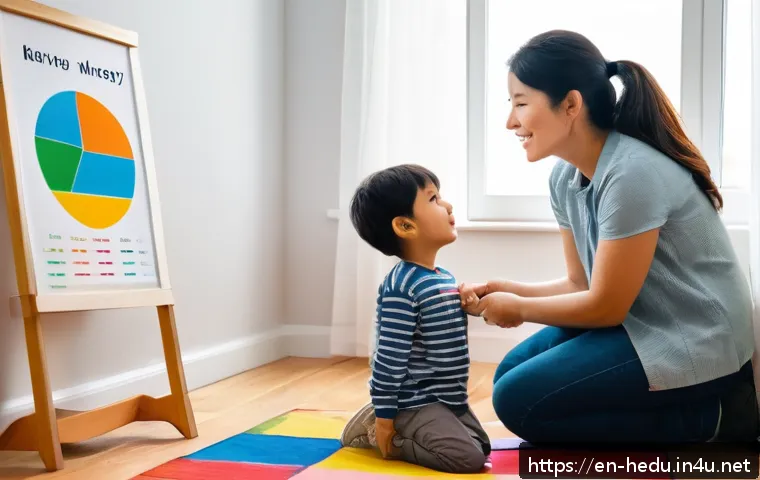
Visual tools like emotion charts or faces can be incredibly helpful for younger children who struggle to identify their feelings. These charts provide a clear reference and can be used to check in regularly.
I found that having a colorful poster of different emotions in the playroom sparked spontaneous discussions and made emotional check-ins less intimidating.
It’s a simple yet effective way to build emotional literacy.
Role-Playing to Practice Emotional Responses
Role-playing different scenarios allows children to rehearse how they might respond to challenging emotions or social situations. For example, acting out how to ask for help when feeling overwhelmed or how to apologize after hurting a friend teaches valuable social-emotional skills.
I remember practicing these situations with my son, which boosted his confidence and reduced anxiety in real life. This hands-on approach makes learning emotional regulation active and engaging.
Recognizing and Supporting Anxiety in Children
Identifying Early Signs of Anxiety
Anxiety in children can manifest in many ways, from physical complaints like stomachaches to avoidance behaviors or excessive worry. Being attuned to these signs helps parents intervene early.
I noticed that my niece’s reluctance to go to school and frequent headaches were her way of expressing anxiety before she could put it into words. Early recognition allows for timely support and reduces long-term impact.
Creating Calming Rituals for Anxious Moments
Developing predictable calming rituals can provide comfort during anxious episodes. Whether it’s a special blanket, a favorite toy, or a quiet corner for deep breathing, having a go-to strategy helps children regain control.
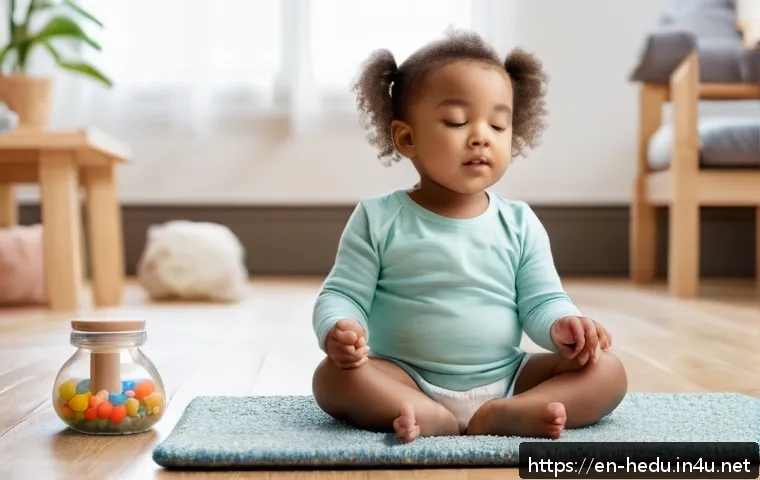
My family uses a “calm jar” filled with glitter and water to watch as the glitter slowly settles, which visually soothes and distracts from worry. These rituals become emotional anchors during distress.
Collaborating with Professionals When Needed
Sometimes, anxiety requires additional support beyond what parents can provide. Working with counselors, therapists, or pediatricians ensures children receive tailored strategies and interventions.
When I observed persistent anxiety in a family friend’s child, connecting with a child psychologist made a huge difference in his coping skills and overall well-being.
Seeking help is a strength, not a weakness, and can be a turning point in a child’s emotional journey.
Celebrating Emotional Wins and Building Resilience
Recognizing Small Steps and Efforts
Celebrating even minor progress in emotional regulation reinforces positive behavior and builds confidence. Praising a child for using words instead of yelling or for calming down independently encourages continued growth.
I’ve learned that specific praise like “I’m proud of how you took deep breaths when you were upset” feels more meaningful than generic compliments. This approach motivates kids to keep practicing emotional skills.
Teaching Problem-Solving Skills
Helping children develop problem-solving skills equips them to handle emotional challenges constructively. Guiding them to identify the problem, brainstorm solutions, and evaluate outcomes turns emotional difficulties into learning opportunities.
I often role-play problem-solving with my son, which not only improves his emotional regulation but also nurtures critical thinking. This skill set is invaluable for lifelong resilience.
Fostering a Growth Mindset Around Emotions
Encouraging children to view emotional regulation as a skill that can improve with practice helps reduce frustration and self-criticism. Emphasizing that everyone makes mistakes but can learn from them creates a supportive environment.
I remind my daughter that it’s okay to have tough days and that each experience is a chance to grow stronger emotionally. This mindset promotes perseverance and emotional flexibility.
| Technique | Description | Benefits | Example |
|---|---|---|---|
| Breathing Exercises | Teaching kids to take deep, slow breaths to calm their nervous system | Reduces immediate stress, enhances focus, promotes self-soothing | “Blowing up a balloon” game during upset moments |
| Emotion Charts | Visual aids showing different feelings to help children identify emotions | Improves emotional vocabulary, facilitates communication, normalizes feelings | Colorful poster with happy, sad, angry faces in the playroom |
| Role-Playing | Practicing responses to emotional or social situations through acting | Builds confidence, teaches coping strategies, enhances empathy | Rehearsing how to apologize or ask for help |
| Physical Movement | Using exercise or movement to release emotional tension | Helps reset mood, reduces restlessness, channels energy positively | Jumping jacks or running outside after frustration |
| Mindfulness Games | Simple exercises focusing on the present moment to calm the mind | Enhances emotional awareness, reduces anxiety, improves attention | “Mindful listening” to identify sounds around the room |
In Conclusion
Creating a safe emotional space at home is essential for nurturing children’s emotional growth and resilience. By recognizing feelings, encouraging open communication, and providing consistent support, parents can help kids navigate their emotions confidently. These strategies build a foundation for lifelong emotional well-being and stronger family connections.
Helpful Information to Keep in Mind
1. Consistency in routines provides children with a sense of security that eases emotional challenges.
2. Incorporating play and creative expression allows children to communicate feelings they might not yet verbalize.
3. Simple breathing and mindfulness exercises can be powerful tools to manage stress and anxiety.
4. Setting clear boundaries while showing empathy helps children understand acceptable behavior without suppressing emotions.
5. Celebrating small emotional victories encourages continued growth and builds self-confidence.
Key Takeaways
Establishing a nurturing emotional environment requires a balance of understanding and structure. Validating children’s emotions while teaching them healthy coping mechanisms empowers them to express themselves safely. Consistent communication, modeling emotional regulation, and using practical tools like role-playing or visual aids strengthen their ability to manage feelings effectively. Remember, seeking professional support when needed is a positive step toward supporting a child’s emotional health.
Frequently Asked Questions (FAQ) 📖
Q: uestions about Helping Children Manage Their EmotionsQ1: How can I help my child calm down during a tantrum without making it worse?
A: When your child is having a tantrum, staying calm yourself is key. Try to acknowledge their feelings by saying things like, “I see you’re upset,” which helps them feel understood.
Instead of immediately trying to stop the tantrum, give them a safe space to express their emotions. Once they start to settle, gently guide them toward deep breathing or a quiet activity.
From my experience, rushing to fix the situation often backfires; patience and empathy build trust and teach emotional regulation over time.
Q: What are some simple daily habits to encourage emotional resilience in children?
A: Building emotional resilience is about consistency and connection. Simple habits like sharing a daily “high and low” moment during dinner or bedtime create opportunities for kids to name and process feelings.
Encouraging problem-solving by asking, “What can we do if this happens again?” helps them feel empowered. I’ve noticed that children who regularly practice these conversations tend to handle stress better and bounce back quicker from setbacks.
Q: How do I know if my child’s emotional struggles require professional help?
A: It can be tough to decide when to seek help, but watch for signs like prolonged sadness, intense anxiety, withdrawal from activities, or behavior that disrupts daily life.
If your child’s emotions consistently interfere with school, friendships, or sleep despite your support, consulting a child psychologist or counselor is a good step.
I once hesitated to get professional advice, but it made a huge difference in understanding and supporting my child’s needs. Remember, seeking help is a strength, not a failure.