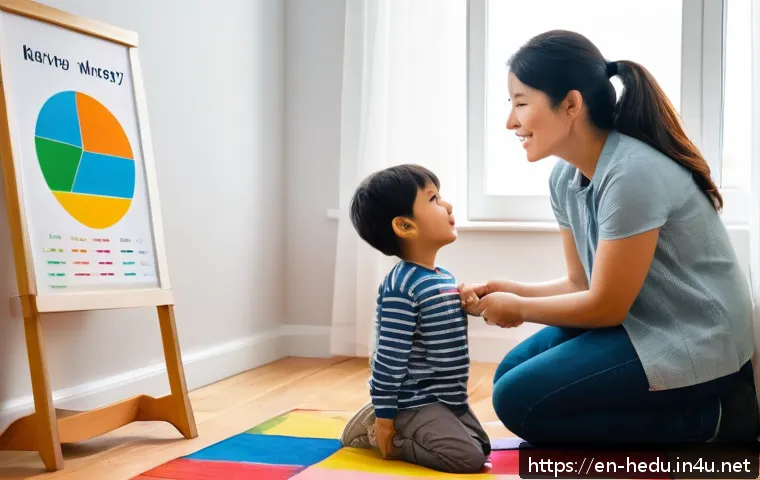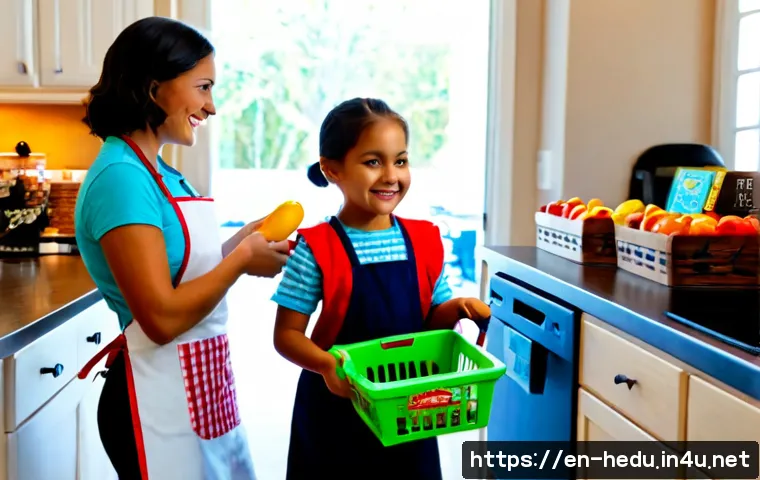
Meaningful role-play at home does not require an expensive playroom or a large collection of educational toys. Start with one familiar everyday situation, a few safe props, and room for your child to guide the story.

Household materials are often enough for flexible pretend play, while selected open-ended toy sets or themed kits can be useful when they reduce preparation time, fit your storage space, and are likely to be reused.
The goal is not to create a perfect lesson; it is to make everyday routines easier to explore through play. Look for materials that encourage more than one scenario instead of buying many single-purpose accessories.
Before choosing educational play materials, consider durability, storage, age suitability, and the supervision your child may need.
At a Glance
- Begin with a familiar routine, such as shopping, cooking, travel, or caring for a toy.
- Simple, open-ended props can support many stories without filling your home with clutter.
- Adults help most by following the child’s ideas, asking light questions, and checking safety.
| Setup Type | Cost Level | Setup Time | Flexibility | Storage and Cleanup | Supervision Considerations |
|---|---|---|---|---|---|
| Household props | Often minimal | Usually quick | High when objects can represent different things | Easy if only a small selection is used | Check each item for age suitability and hazards |
| Open-ended toy sets | Varies by material and durability | Low after initial organization | High across different scenarios | Needs a dedicated bin, shelf, or storage area | Review small parts, construction, and intended age guidance |
| Themed play kits | Varies by theme and included accessories | Often convenient | Can be limited if props serve only one story | May create more pieces to sort and store | Check age suitability, loose parts, and care instructions |
The Quick Answer: Make Pretend Play Part of Everyday Learning
Home role-play works best when it feels connected to a child’s real world. A grocery trip, a morning routine, a bus ride, or caring for a stuffed animal can become a simple play scene. The child does not need to copy the real event perfectly. The value is in using objects symbolically, trying familiar roles, and acting through situations in their own way.
Start with One Familiar Real-Life Situation
Choose a situation your child has seen or experienced. For example, place a few empty, clean containers in a bag for a pretend shop, or set out a bowl and spoon for a pretend café. A stuffed animal can become a passenger, customer, patient, or baby. Keeping the scene recognizable makes it easier to begin.
Start small. A single bag, a few safe objects, and a clear play spot are often more inviting than a room full of options. Avoid adding every available prop at once, especially when a new activity is being introduced.
Use Simple Props and Let the Child Lead the Story
A scarf might become a cape, a blanket, a picnic cloth, or a travel bag. This is the strength of open-ended materials: the same item can be used in more than one play scenario. Let the child decide what an object means, even when it is different from your original idea.
You can join without taking over. Try simple responses such as, “Who is coming to the shop?” or “What does the traveler need next?” These prompts leave room for the child to direct the storyline.
Add One Learning Goal Without Turning Play Into a Lesson
Choose one gentle focus rather than trying to teach everything at once. During pretend shopping, you might practice taking turns. During a travel scene, you might talk about what to pack. During caregiving play, you might name a sequence such as feeding, resting, and going for a walk.
If the child changes the game, follow that change when it is safe to do so. Role-play is more likely to stay engaging when the learning goal supports the story instead of interrupting it.
Choose the Right Setup: Household Props, Open-Ended Toys, or Themed Kits?
There is no single best setup for every home. The practical choice depends on your available space, your child’s interest, how often items will be used, and how much preparation you want to do. A low-cost home setup can be highly flexible, while a durable role-play set may be appealing when it is easy to reuse and store.
A Practical Comparison of Cost, Flexibility, Storage, and Cleanup
Household props are useful when you want to test an idea before buying anything. A safe basket, cloth, empty container, notepad, or reusable bag may support several themes. Their main advantage is flexibility. Their limitation is that some objects may not be appropriate for children, so each item needs a safety check.
Open-ended toy sets can make preparation easier because the materials are intended for play and can be kept together. Consider basic blocks, figures, fabric pieces, play food, or reusable containers designed for children. Look for items that can move between a shop, home, restaurant, clinic, or travel story.
Themed play kits, such as dress-up supplies or community-helper sets, can be convenient when a child returns to one theme often. They may be less useful if the accessories only work in one narrow storyline or create a difficult cleanup routine.
When Free Household Materials Are Enough
Use household materials when your child is interested in copying routines they already see. A pretend laundry basket, restaurant, packing station, or delivery service can begin with a few safe items. This approach also helps you learn what holds your child’s attention before spending money on educational toys or playroom supplies.
Keep the selection intentional. Choose items that are clean, sturdy enough for the activity, and appropriate for the child using them. Put away objects that are breakable, too small, or otherwise unsuitable.
When a Durable Play Set May Be Worth the Cost
A role-play kit may be worth considering when household substitutes are inconvenient, when materials are used repeatedly, or when a contained set makes cleanup simpler. For example, a well-organized dress-up collection or a reusable pretend-play set may save preparation time for a busy caregiver.
Before buying, ask whether the materials will work in more than one situation. A set with flexible pieces may remain useful longer than a collection of highly specific accessories. Check the seller’s current product details for age guidance, material information, included parts, storage needs, and safety information.
A Simple Step-by-Step Method for Guided Role-Play at Home
A short structure can make role-play easier to start without making it feel controlled. The process below works with household props, educational play materials, or a small themed kit.
Pick a Scenario Children Already Recognize
Choose one everyday theme: preparing a meal, visiting a shop, going on a trip, caring for a toy, or helping in the neighborhood. Say one simple opening line, such as, “The café is opening,” or “We need to pack for our trip.” Then pause and let the child decide what happens next.
Prepare a Small, Safe Play Area
Use a clear section of the floor or a stable table surface. Bring out only the items needed for the current scene. Check that furniture and storage are stable, and keep choking hazards or unsuitable objects out of reach. The right supervision level depends on the child and the materials being used.
Use Prompts That Expand Language and Problem-Solving
Offer questions rather than instructions. You might ask, “What should we do first?” “What is missing?” or “How can we help the customer?” These prompts can encourage a child to explain an idea, solve a small problem, or extend the story without being told the “correct” answer.
When a child is quiet, narrate what you notice: “You put the food in the bag.” This can be a softer invitation than demanding a response.
End with a Short Cleanup and Reflection Routine
Finish with one clear transition: place props in a bin, return dress-up supplies to a hook, or sort a few pieces together. You can briefly ask what the child liked or what they might play next time. Keep this part short so cleanup does not become the main event.
Common Mistakes That Make Pretend Play Less Engaging
Role-play does not need to be elaborate. In many homes, simplifying the setup makes it easier for both children and caregivers to return to it.
Giving Too Many Instructions or Correcting the Story
Correcting every unusual idea can stop the play quickly. If a child decides a basket is a spaceship or a stuffed animal runs the store, that may be a useful part of symbolic play. Step in for safety, but otherwise leave room for unexpected stories.
Buying Too Many Single-Purpose Accessories
Many accessories can look exciting at first but may be difficult to store and use again. Prioritize materials that can serve several roles. A few versatile props are often easier to manage than a large collection of themed pieces.
Expecting Long Attention Spans From a New Activity
A child may only explore a new setup briefly, watch from nearby, or move on quickly. That does not necessarily mean the materials are useless. Try the same theme again on another day, reduce the number of props, or connect the play to a routine the child currently enjoys.
Ignoring Safety, Clutter, and Storage Limits
An appealing setup should still fit your home. Consider where the materials will go after play, whether storage furniture is stable, and whether every item is appropriate for the child. A smaller collection that is easy to supervise and put away may be more practical than a larger playroom setup.
Adapt the Activity for Different Home Situations
Role-play can be adjusted to match your time, space, and the number of children involved. The theme matters less than making the invitation clear and manageable.
Quick Five-Minute Role-Play for Busy Weekdays
Use a single routine: pack a bag for a pretend trip, serve a toy a snack, deliver a note, or open a small shop. Set out only two or three props. A quick scene can still include conversation, choices, and a simple cleanup.
Cooperative Scenarios for Siblings or Playdates
Give each child a flexible role, such as customer and shopkeeper, traveler and driver, or caregiver and helper. Avoid assigning fixed roles too strictly. Children may prefer to switch jobs, create new characters, or play alongside each other rather than follow one shared plot.
Gentle Ways to Invite a Child Who Prefers Watching First
Set up the materials nearby and begin a quiet story yourself. You might say, “This toy is looking for a bus,” then wait. A child can join by handing over an item, moving a figure, or simply observing. Watching can be a comfortable first step, so there is no need to force participation.
Using Role-Play to Practice Everyday Transitions and Routines
Try acting through a familiar routine before or after it happens in real life. A stuffed animal can get ready to leave the house, pack a bag, visit a shop, or prepare for bedtime. Keep the tone light. The purpose is to explore the routine, not to demand that the child perform it perfectly.
Choosing Materials That Fit Your Home: A Decision-Stage Comparison
Before adding educational role-play products to your cart, compare what the materials will solve in your specific home. The best purchase is not necessarily the largest kit. It is the option that is safe to use, easy to store, and likely to return to play often.
Budget, Durability, and How Often the Materials Will Be Reused
Ask whether you already have a safe substitute for the activity. If you do, try that first. If you need a more durable option, look for materials that can support multiple themes and repeated setup. A reusable open-ended set may suit a home better than a highly detailed kit used for one story only.
Age Suitability, Supervision, and Safety Checks
Review the manufacturer or seller’s information before purchasing. Check intended age guidance, small parts, material details, assembly requirements, care instructions, and storage needs. Consider whether the item will require close supervision and whether it fits safely into the space where your child plays.
A Buy-or-Skip Checklist for Educational Role-Play Products
- Will this item work in more than one pretend-play scenario?
- Do you have a realistic place to store it after use?
- Does its age guidance match the child who will use it?
- Can you supervise its use appropriately in your home?
- Does it reduce preparation time or solve a real gap in your current setup?
Selection Criteria and Comparison Summary
Start with what you have when safe household props can support the theme. Choose open-ended materials when flexibility and repeat use matter most. Consider a themed role-play kit when it fits a repeated interest and makes setup easier rather than adding clutter. Compare durability, storage needs, age suitability, included pieces, and supervision requirements before buying. For current product specifications and safety details, check the official product page or seller listing.
Final Thoughts
Home role-play can be simple, flexible, and connected to daily life. A few safe props and one familiar scenario are enough to begin. Let children shape the story, and use prompts only when they help the play move forward. If you decide to buy educational toys or dress-up supplies, choose items that fit your home and can be used in more than one way.
Useful Things to Know
One prop can have many uses: fabric, baskets, toy figures, containers, and bags can move across many play themes.
Less setup can mean more play: a small, visible selection may feel easier to approach than a crowded activity area.
Cleanup is part of the design: a simple bin or stable storage spot makes it easier to bring role-play materials out again.
Important Notes
No activity can predict the exact developmental impact for an individual child, and no single theme will interest every child. The right supervision level depends on the child, the setting, and the materials involved. Check current product quality, safety information, age guidance, and price directly with the seller before purchasing any educational role-play product.
Frequently Asked Questions
Q1. Do I need to buy a pretend-play kitchen, doctor kit, or dress-up set for learning at home?
A1. No. Safe household props can support meaningful pretend play, especially when the scenario is familiar. A play kitchen, doctor kit, or dress-up set may be useful if it is likely to be reused, fits your storage space, and makes setup easier for your household.
Q2. What are safe, low-cost role-play materials parents can use around the house?
A2. Choose simple, clean, age-appropriate items that can be used in more than one way, such as a reusable bag, fabric piece, basket, notepad, or sturdy container. Check each object carefully for small parts, breakage risks, choking hazards, and whether it is suitable for the child’s level of supervision.
Q3. How can I encourage role-play if my child loses interest quickly?
A3. Make the setup smaller, use a routine your child already recognizes, and allow them to watch before joining. Try one short opening idea instead of a long set of instructions. If interest fades, put the materials away and revisit the theme another time without pressure.