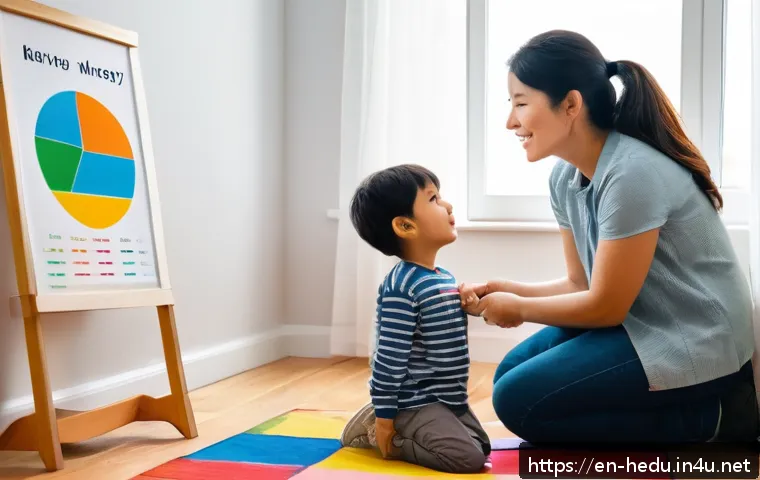
Children learn right from wrong most reliably through everyday relationships, clear expectations, and chances to repair mistakes. Start by modeling honesty and respect, explaining rules in simple terms, and asking your child how their choices affected others.

Home routines are often a practical foundation, while books, parenting classes, school programs, and family counseling can offer added structure when a family needs it.
The most suitable option depends on your child’s developmental stage, your household routines, and the challenges you are facing. Before paying for a parenting resource or support service, compare its age fit, teaching style, time commitment, and cost.
No single method is guaranteed to work for every child or family.
At a Glance
- Model the values you want your child to practice, including honesty, fairness, and respectful disagreement.
- Use clear rules and consistent follow-through so children can connect actions, consequences, and relationships.
- Focus on repair after mistakes by discussing harm, accountability, and a better next choice.
| Approach | What It Can Offer | Best Questions to Ask |
|---|---|---|
| Daily home routines | Frequent practice through real decisions, chores, sharing, and conversation | Can we be consistent with this routine? |
| Children’s books and guided activities | Stories and shared language for discussing feelings, choices, and fairness | Is the content appropriate for my child’s age and interests? |
| Parenting classes or workshops | Structured tools for common family challenges and parent communication | Does the format match our schedule and specific concern? |
| School character programs | A shared framework that may reinforce values across school and home | How are families included in the program? |
| Family counseling support | Additional guidance when conflict or distress feels persistent | What type of support is offered, and does it fit our family’s needs? |
The Short Answer: Moral Growth Is Taught in Everyday Moments
Children develop moral understanding gradually through relationships, routines, observation, and guided practice. A major lesson may happen during a sibling argument, a forgotten chore, or a conversation after a mistake. The goal is not blind obedience. It is helping a child understand how choices affect rules, people, and trust.
Model the behavior you want a child to repeat
Adults have a strong influence on how children learn honesty, empathy, fairness, and responsibility. If you want respectful speech, let children hear respectful speech during disagreement. If you expect an apology, show what a genuine apology sounds like when you make an error. Children notice the difference between a family value that is discussed and one that is practiced.
Use clear rules, understandable reasons, and consistent follow-through
A rule is easier to learn when a child understands the reason behind it. Instead of only saying, “Don’t do that,” explain the connection: “We do not take someone else’s things because they belong to them.” Keep expectations simple and follow through in a predictable way. Consistency does not mean every situation must receive the same response; it means children can understand what the family expects.
Focus on repair after mistakes, not just punishment
Discipline can be more constructive when it teaches repair, accountability, and better choices. After a harmful action, ask what happened, who was affected, and what could help make things right. Repair might involve returning an item, helping fix a problem, offering an apology, or practicing a different response. Avoid turning a mistake into a permanent label about who the child is.
Which Approach Fits Your Family? A Practical Comparison
The best support is not necessarily the most expensive option. Consider whether you need everyday consistency, a discussion tool, structured parenting education, school coordination, or outside family support.
Everyday routines at home: low cost, high consistency
Family routines give children repeated chances to practice values in context. Chores can teach responsibility. Taking turns can open a conversation about fairness. Mealtime decisions can include gratitude, listening, and respectful disagreement. This approach works best when adults can return to the same expectations calmly and regularly.
Books and guided activities: useful for shared language and discussion
Children’s books can create distance from a difficult issue. It may feel easier to ask, “What do you think that character could do next?” than to begin with a child’s own behavior. Look for books and guided activities that suit your child’s developmental stage and invite conversation rather than delivering only a lecture.
Parenting classes and workshops: structured support for specific challenges
A parenting course or workshop may be useful when caregivers want a clearer framework for limits, communication, or conflict resolution. Before enrolling, check the intended age range, lesson format, time commitment, and whether the course addresses the concerns your family actually has. A class can offer ideas, but it cannot promise a particular change in behavior.
School-based character programs and family counseling: when broader support may help
School programs may provide common language around respect, responsibility, or inclusion. Ask how the program handles real-life conflict and whether families receive ways to continue the discussion at home. Family counseling support may be worth considering when distress, aggression, or conflict remains persistent and home routines are not enough to move conversations forward.
Build Core Values Through Daily Practice
Teaching honesty without creating fear around mistakes
Children may hide the truth when they expect a mistake will lead only to anger or shame. Make room for honesty by separating the truth-telling from the behavior itself. You can acknowledge that telling the truth matters while still addressing what happened. The message is: “We need to deal with this, and being honest helps us solve it.”
Helping children practice empathy and perspective-taking
Empathy grows through conversations about feelings and viewpoints. Ask short questions: “How do you think that felt?” “What might they have wanted?” or “What could help now?” A child may not immediately understand another person’s perspective, especially when upset. Treat perspective-taking as a skill to practice, not a test they must pass perfectly.
Encouraging fairness, responsibility, and respectful disagreement
Fairness does not always mean everyone gets exactly the same thing. Children can gradually learn to consider rules, needs, turns, and intentions. During disagreement, set a basic expectation: people may disagree, but they do not have to insult, threaten, or dismiss each other. Adults should follow the same standard.
Turning chores, sharing, and apologies into learning opportunities
Small routines make values concrete. A chore is not only a task; it can show how each person contributes to a shared home. Sharing can include asking before taking, waiting for a turn, or finding another solution. An apology is stronger when it names the action, recognizes the impact, and is followed by an effort to repair.
Common Parenting Mistakes That Can Undercut the Lesson
Expecting mature self-control before a child is developmentally ready
Children’s ability to understand rules, intentions, and fairness changes with developmental stage. Keep explanations and expectations appropriate to what your child can understand and practice now. A child may need reminders, coaching, and repeated chances to try again.
Giving consequences without explaining the harmed relationship or rule
A consequence alone may stop a behavior in the moment without teaching why it matters. Briefly connect the response to the rule or relationship: “That hurt your brother,” or “We need to return what was not ours.” The explanation does not need to become a long speech.
Using labels such as “bad” instead of addressing a specific behavior
Labels can make it harder for a child to focus on a changeable action. Describe what happened instead: “You pushed when you were angry,” or “You said something hurtful.” Then guide the next step. This supports accountability without defining the child by one difficult moment.

Applying different standards for adults and children
Children learn from what adults do under pressure. If adults demand calm communication but use insults or dishonesty themselves, the lesson becomes confusing. When you fall short, name it and repair it. That is also moral education.
Adjust the Conversation for Real-Life Situations
When a child lies to avoid trouble
Stay focused on understanding what happened before rushing to a response. Explain that honesty helps rebuild trust and solve problems. Address the original behavior as well as the lie, but avoid making truth-telling feel more dangerous than the mistake itself.
When siblings argue about fairness
Help each child describe the issue without interrupting. Ask what rule, turn, object, or expectation is in dispute. Then guide them toward a workable next step. Not every disagreement needs a perfect outcome, but children can learn that shouting is not the only path to being heard.
When a child excludes someone or encounters unkind behavior
Talk about the effect exclusion can have on another person. Ask what the child noticed, what they intended, and what a kinder option might look like. If your child encounters unkind behavior from others, make space for their feelings while discussing safe, respectful ways to respond and seek support.
When repeated conflicts may call for additional family support
Occasional conflict is part of family life. However, if aggression, distress, or intense family conflict continues and everyday strategies do not seem workable, additional guidance may be worth exploring. A parenting workshop, school resource, or family counseling service may offer a more structured setting for discussion.
Choosing Support and Resources: A Decision-Stage Summary
Choose at-home tools when the issue is occasional and routines are workable
At-home practice may be a sensible starting point when concerns are occasional and caregivers can use consistent expectations. Choose one or two values to focus on, such as honesty or respectful speech, and connect them to ordinary family moments.
Compare books, classes, and programs by age fit, teaching style, time, and cost
When comparing parenting resources, look beyond the title or marketing claim. Consider whether a children’s book encourages discussion, whether a parenting class uses a format you can attend, and whether a school program gives families practical follow-up ideas. Age fit, teaching style, time commitment, and cost are useful decision points.
Consider professional guidance for persistent distress, aggression, or family conflict
Professional support is not a sign that a parent has failed. It may simply provide another setting for families facing concerns that feel ongoing or difficult to manage alone. Ask what the service covers, how caregivers are involved, and whether the approach fits your circumstances.
Questions to ask before paying for a parenting course or counseling service
Ask who the resource is designed for, what topics it addresses, how much participation it expects, and what support is available during the process. Be cautious about claims that promise guaranteed results or a fixed timeline for empathy, responsibility, or behavior change.
Selection Criteria and Comparison Summary
Before choosing a parenting book, class, school program, or family support service, check these points:
- Age and developmental fit: Can your child understand and use the ideas?
- Current concern: Is the focus honesty, sibling conflict, responsibility, exclusion, or broader family tension?
- Teaching approach: Does it emphasize discussion, practice, repair, and clear limits?
- Family capacity: Is the time commitment realistic for your household?
- Cost and format: Compare format, time commitment, and cost before enrolling.
For paid parenting programs, children’s books, or family counseling options, review the official description and detailed participation terms on the provider’s page before deciding.
In Closing
Moral development is usually built through many small moments rather than one perfect talk. Children benefit from adults who set understandable limits, model the values they name, and guide repair after mistakes. Home routines can provide a strong foundation, while books, classes, school resources, and family support may add useful structure. The aim is steady practice, not a guaranteed timetable.
Useful Things to Know
Stories and play can help: A child may discuss fairness or empathy more openly through a character or pretend situation.
Short conversations often work well: A calm question after an event can be more useful than a long lecture.
Repair is a life skill: Helping children make amends teaches more than simply requiring the words “I’m sorry.”
Important Notes
There is no universal best method for teaching moral values. A child’s age, temperament, family circumstances, and the nature of the concern all matter. Books, courses, counseling services, and school programs cannot guarantee a specific result. If you are considering outside support, confirm what it offers and whether it is appropriate for your family’s situation.
Frequently Asked Questions
Q1. What is the best age to start teaching children moral values?
A1. Moral learning begins gradually through relationships, observation, routines, and guided practice. The conversation should match the child’s developmental stage. Young children may benefit from simple rules and immediate examples, while older children may be ready to discuss intentions, fairness, and different perspectives.
Q2. Are parenting classes worth the cost for teaching responsibility and empathy?
A2. A parenting class may be useful if your family wants structured tools for specific challenges or a clearer approach to communication and limits. Its value depends on the age fit, teaching style, schedule, cost, and relevance to your family. No course can guarantee a particular outcome.
Q3. How should parents respond when a child lies or refuses to apologize?
A3. Start by calmly addressing what happened and why honesty or repair matters. Explain the effect of the behavior, invite the child to consider the other person’s perspective, and guide a realistic next step. A forced apology may not show understanding, so focus on accountability and a meaningful effort to make things right.